We came to Turkey for the beaches and left thinking about the food. Turkish food runs far past the kebab shop back home, and this is our list of the Turkish dishes we order every trip, what is in each one, the rough price and the best place to try it. It doubles as a plain list of what to eat in Turkey. At VayCay Couple, we have worked through Istanbul and the coast plate by plate, and we kept it plain and useful. Prices are in Turkish lira and move fast with inflation, so read them as ballpark, not gospel. We checked them in September 2026.
What is Turkish food actually like?
Turkish cuisine is meat, bread, vegetables and dairy, cooked simply and served in lots of small plates. It changes by region. The southeast around Gaziantep and Adana does the spicy kebabs and the best baklava, the Black Sea coast leans on anchovies and cornbread, and Istanbul pulls all of it together. A meal usually starts with mezze, small cold and hot starters like hummus, stuffed vine leaves and smoky aubergine, then moves to grilled meat or a stew. Traditional Turkish food is built for sharing, so order a spread and pick at everything. For the best Turkish food, follow the regions rather than the tourist menus.
The mezze table, where a meal starts
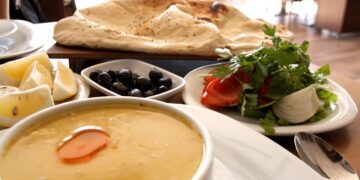
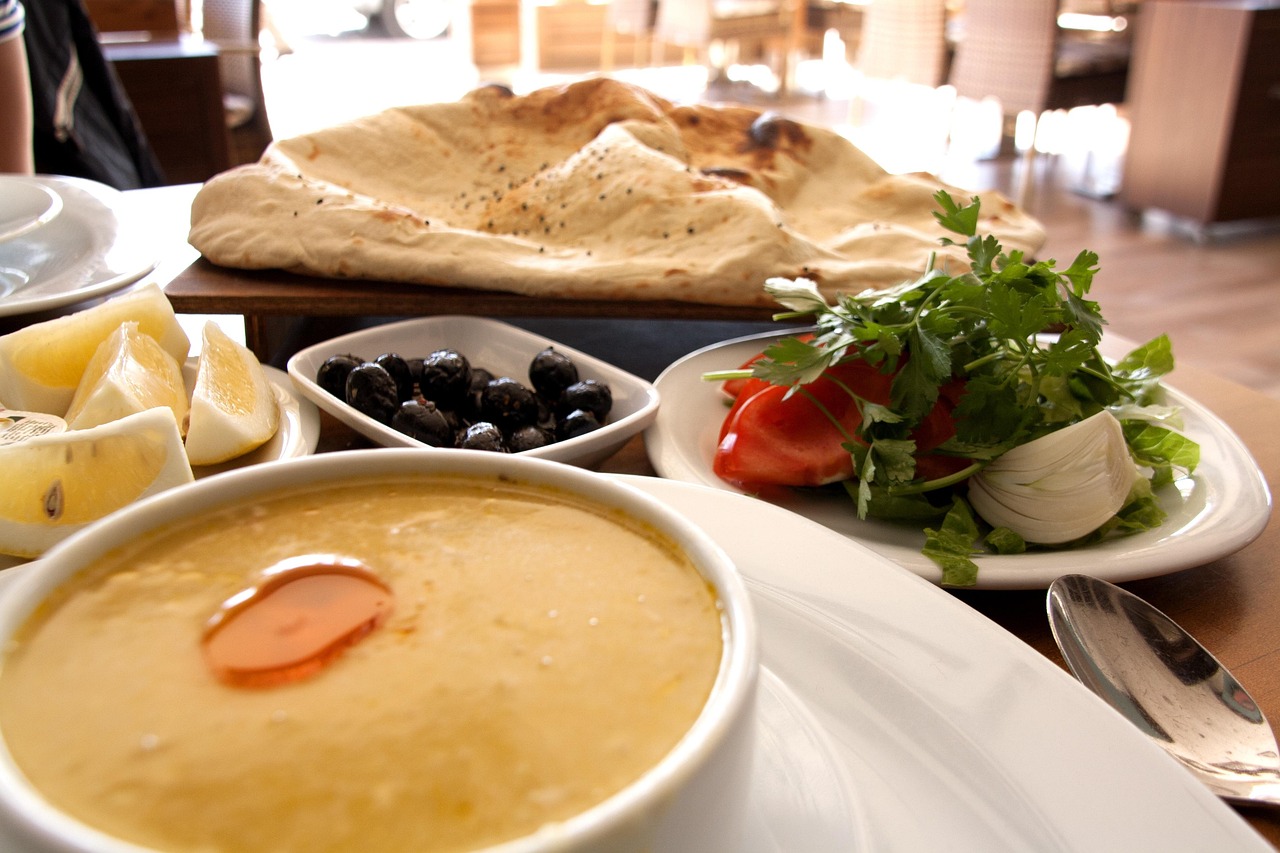
A Turkish meal often opens with mezze, a run of small cold and hot plates you share before the grill arrives. The regulars are hummus, haydari (strained yogurt with garlic and herbs), acili ezme (a spicy tomato and pepper relish), dolma (vine leaves stuffed with rice), sigara boregi (thin fried cheese rolls) and smoky mashed aubergine. Order four or five with warm bread and it is a meal on its own. In summer we often make a light lunch of mezze and salad and save the meat for the evening.
The kebabs worth knowing
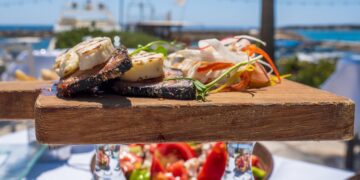
Forget the late-night kebab. In Turkey the kebab is a whole family of grilled dishes. Iskender is the one we push hardest, sliced doner laid over cubes of pide bread, covered in tomato sauce and hot melted butter, with a scoop of yogurt on the side. It comes from Bursa and runs roughly 320 to 480 lira a plate. Adana kebab is hand-minced lamb pressed onto a flat skewer and grilled hot, spiced with chilli and named after its city in the south. Sis kebab is plain cubes of marinated lamb or chicken on a skewer. Urfa kebab is the mild, non-spicy sister to Adana if chilli is not your thing. In tourist areas you may also see testi kebab, a meat-and-vegetable stew cooked in a sealed clay pot that the waiter cracks open at your table. Doner, the meat stacked on a spinning vertical spit, is the one that went worldwide, and at home it is best in a durum, wrapped in thin bread with salad and a little sauce.
Lahmacun, pide and the bread dishes
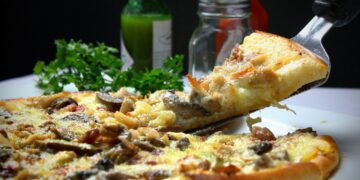
Two cheap classics do a lot of the work here. Lahmacun is a wafer-thin round of dough spread with minced lamb, tomato and parsley, baked fast in a hot oven. People call it Turkish pizza, but it is lighter. You squeeze over lemon, add a few salad leaves, roll it up and eat it in your hands for about 150 to 270 lira. Pide is the boat-shaped cousin, a thicker flatbread with raised edges filled with cheese, spiced mince or egg, then sliced. Both make a quick, filling lunch for well under the price of a sit-down kebab.
Kofte, manti and home cooking
Kofte are Turkish meatballs, grilled or fried, and every region has its own. Izmir kofte comes in a tomato sauce with potato, while cig kofte started as a raw-meat dish and is now sold on the street as a spiced, meatless bulgur roll wrapped in a lettuce leaf. The dish we always look for is manti, tiny hand-folded dumplings filled with lamb, boiled and topped with garlic yogurt and chilli butter. It comes from Kayseri in central Turkey and is proper home cooking, fiddly to make and worth every bite. Look out too for the home-style stews Turks call sulu yemek, slow-cooked beans, okra or lamb with vegetables, and for mercimek corbasi, the cheap red-lentil soup served almost everywhere with a wedge of lemon.
What is a Turkish breakfast?
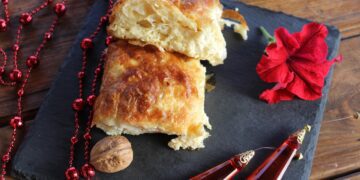
A Turkish breakfast, or kahvalti, is the meal we plan our mornings around, and it is a big reason people search for it. It is not one plate but a table full of small dishes, several cheeses, black and green olives, sliced tomato and cucumber, honey with clotted cream called kaymak, jam, boiled eggs or menemen, and a basket of bread, all washed down with endless glasses of tea. Many spreads also bring sucuklu yumurta, eggs fried with spicy sausage, plus borek, layered pastry filled with cheese, and gozleme, a thin village flatbread folded over cheese or spinach and cooked on a griddle. Menemen is the hot centrepiece, soft eggs cooked with tomato and green pepper in a small pan. Order a full spread for two and you will not need lunch. A proper breakfast salon charges around 400 to 800 lira a head.
Turkish street food and snacks
Popular Turkish food is often the cheapest and eaten on the move. Simit is the sesame-crusted bread ring sold from red carts on every corner for 10 to 15 lira, best warm and split with cheese. A doner durum wrap or a balik ekmek, a grilled mackerel sandwich by the water in Istanbul, both make a good few-lira lunch. Cig kofte rolls and stuffed baked potatoes called kumpir, piled with toppings, round out the street list, along with midye dolma, mussels stuffed with spiced rice and eaten with a squeeze of lemon, and kokorec, seasoned grilled lamb offal chopped into bread, a late-night favourite that tastes better than it sounds. This is the easy way to eat well in Turkey without sitting down.
The sweets you have to try
Turkish sweets are rich and made for sharing. Baklava is the star, layers of thin pastry, crushed pistachio and syrup, and the best comes from Gaziantep. Kunefe is the one we order hot, shredded pastry packed with mild cheese, baked and soaked in syrup, then topped with more pistachio, so it pulls into cheesy strings when you cut it, roughly 150 to 400 lira. Lokum, or Turkish delight, is the soft rose or pomegranate cube you take home in a box. Other sweets worth room are sutlac, a baked rice pudding, lokma, little syrup-soaked doughnuts, and dondurma, the stretchy, chewy ice cream from Maras that vendors flip about on a long paddle. Tavuk gogsu is the odd one, a thick milk pudding made with finely shredded chicken you cannot taste, a leftover from the Ottoman palace kitchens.
What do Turks drink?
Tea, mostly. Cay is served all day in little tulip-shaped glasses, strong and taken with sugar, and it is usually free or nearly so with a meal. Turkish coffee is the thick, unfiltered cup served with a glass of water and a piece of lokum, and it is important enough that UNESCO lists its culture as heritage. With savoury food, many people drink ayran, a salty cold yogurt drink that cuts through grilled meat better than any soft drink. In a meyhane, the old-style tavern, the table drink is raki, an anise spirit that turns cloudy with water and is sipped slowly alongside mezze and fish. In winter, swap the tea for salep, a hot, thick drink of powdered orchid root dusted with cinnamon.
Top Turkish dishes at a glance
| Dish | What it is | Rough price |
| Iskender kebab | Doner over bread, tomato, butter, yogurt | 320-480 lira |
| Adana kebab | Spicy hand-minced lamb skewer | 300-450 lira |
| Lahmacun | Thin lamb flatbread, rolled | 150-270 lira |
| Manti | Lamb dumplings, garlic yogurt | 250-400 lira |
| Kunefe | Cheese pastry in syrup | 150-400 lira |
| Simit | Sesame bread ring, street cart | 10-15 lira |
Where should you eat in Turkey?
You do not need a fancy restaurant. Some of our best meals were in busy local spots, and a few are worth going out of your way for. On the coast, Antalya old town has good grills a short walk from the harbour, and the official Go Turkiye site lists regional specialities area by area if you want to plan around them. In Istanbul, the three below are the ones we always recommend. Book ahead for the breakfast and the Kadikoy table, as both fill up at weekends.
| Place | City and address | Order this | Price |
| Ciya Sofrasi | Istanbul, Guneslibahce Sok. No:43, Kadikoy | Regional Anatolian stews, kebabs | Mid-range |
| Van Kahvalti Evi | Istanbul, Defterdar Yokusu No:52, Cihangir | Full Kurdish-style breakfast | 400-800 lira pp |
| Karakoy Gulluoglu | Istanbul, Rihtim Cd. No:3-4, Karakoy | Pistachio baklava by weight | Per portion |
How much does eating out cost in Turkey?
Turkey is cheap for eating out by UK standards, though inflation keeps pushing lira prices up month to month. Street food like a simit or a durum costs a few lira, a lahmacun lunch stays low, a sit-down kebab with a drink lands in the mid hundreds of lira, and a big breakfast for two is usually the priciest everyday meal. Tap water is not for drinking, so budget for bottled, and a tip of around 5 to 10 percent is normal in a proper restaurant.
Work through this list and you have covered the best of it. For how the country stacks up against the rest of the world, we ranked it in our best cuisine anywhere article. Afiyet olsun.
FAQs
The doner kebab is the one the world knows, but inside Turkey the everyday favourites are lahmacun, pide and a full breakfast. For a sit-down meal, iskender kebab is hard to beat.
A kahvalti spread. Cheeses, olives, tomato, cucumber, honey with kaymak, eggs or menemen and bread, with tea. Share a full one between two and skip lunch.
Some of it. The southeastern kebabs like Adana carry real chilli heat, but a lot of Turkish food is mild, with heat added at the table from pepper flakes or a chilli paste.
There is no single official one, but kebab, and iskender in particular, is what most people picture. Manti and a full breakfast run it close for the title.
Better than you would expect. The mezze table, stuffed vegetables, lentil soup, borek and cheese pide give you plenty, and places like Ciya in Istanbul are known for their vegetable dishes.