Cheap, hearty and built on cheese, yogurt and grilled meat, Bulgarian food is one of the Balkans’ best-value cuisines and still flies under the radar. It leans on garden vegetables, white brine cheese, thick yogurt and charcoal-grilled meat, with Turkish and Greek echoes and a fierce national pride in a few signature dishes. This guide to the Bulgarian table runs through the dishes worth ordering, what each one is, what it costs and where to find the best. Since 2026 the country prices in euros. Written and checked in July 2026.
Bulgarian dishes to try, at a glance
| Dish | What it is | Rough price |
| Banitsa | Flaky cheese-and-egg pastry | 1 to 2 euros |
| Shopska salad | Tomato, cucumber, grated sirene | 3 to 5 euros |
| Kebapche | Grilled minced-meat roll | 1 euro each |
| Kavarma | Slow-cooked meat and veg stew | 6 to 9 euros |
| Tarator | Cold cucumber and yogurt soup | 2 to 4 euros |
| Sarmi | Stuffed vine or cabbage leaves | 5 to 7 euros |
| Rakia | Fruit brandy, the national spirit | 2 euros a shot |
The two icons, banitsa and shopska salad
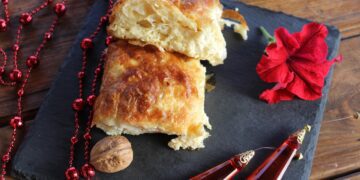
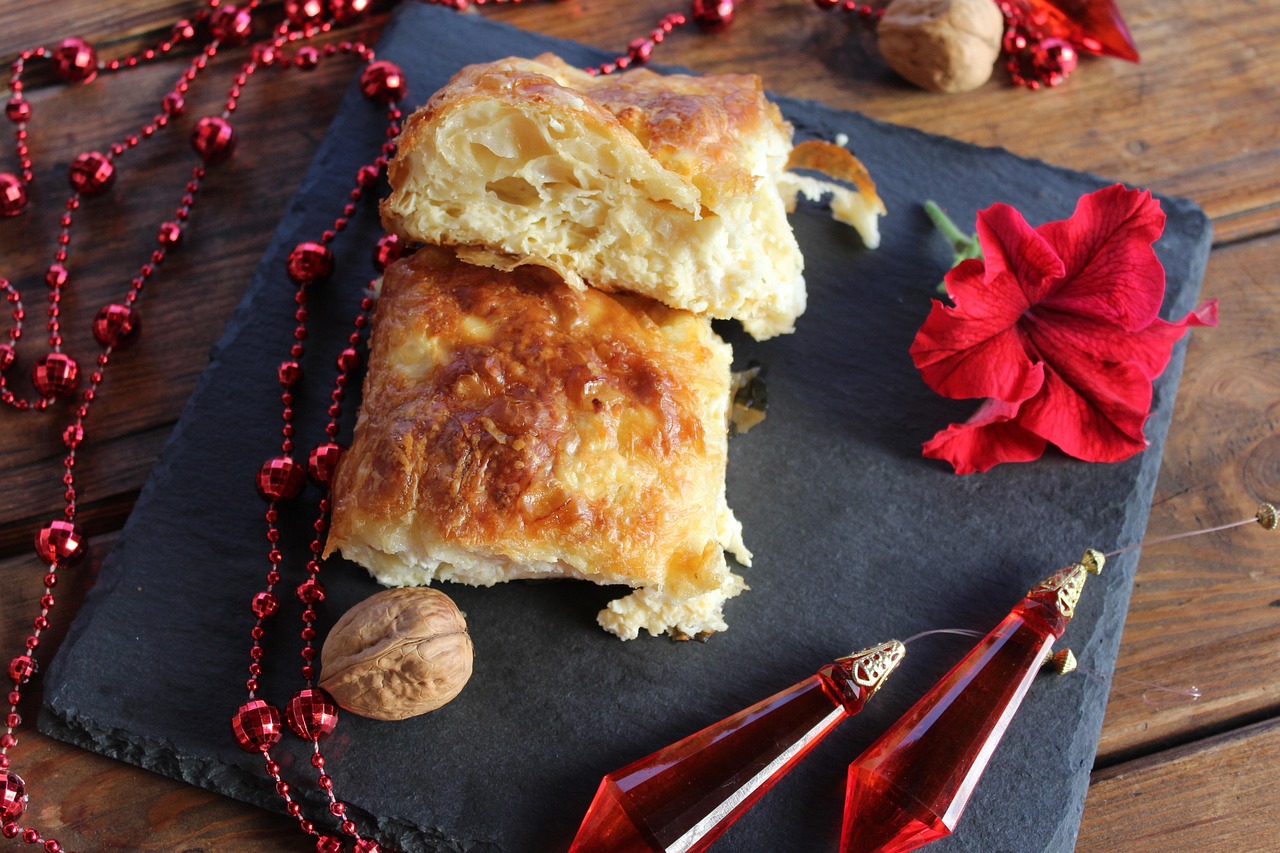
Two dishes define Bulgarian cuisine. Banitsa is the everyday hero, coils of thin filo layered with beaten eggs and sirene, the salty white brine cheese that anchors half the country’s cooking, baked until golden and eaten warm for breakfast with a yogurt drink. You buy it from a furna, a neighbourhood bakery, for a euro or two, and every family swears its own version is best. Shopska salad is the summer plate, diced tomato, cucumber, raw onion and roasted pepper heaped under a snowdrift of grated sirene, its red, white and green matching the national flag. It arrives before almost every meal and pairs with a shot of rakia.
Grilled meat, the heart of the mehana
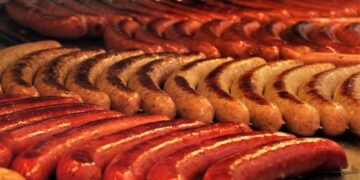
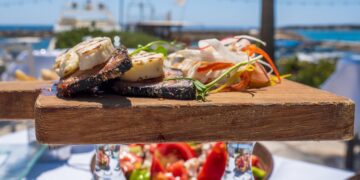
Bulgarians love the skara, the grill, and the traditional tavern, the mehana, is where to find the most traditional Bulgarian food. Kebapche, a finger of seasoned minced pork and beef grilled over charcoal, and kyufte, the round patty version, are the cheap staples, often a euro each and ordered by the handful. For something slower, kavarma is a rich clay-pot stew of meat, onions and peppers, and gyuvech is its vegetable-heavy cousin baked in an earthenware dish. Order a plate of grilled meats with bread, lyutenitsa and a salad and two people eat well for less than a London sandwich costs.
Soups, sides and spreads
The supporting cast is where Bulgarian food gets interesting. Tarator is a cold soup of yogurt, cucumber, garlic, dill and walnuts, astonishing on a hot day and unique to the region. Lyutenitsa is the national relish, a thick spread of roasted red peppers and tomatoes that goes on everything. Sarmi are vine or cabbage leaves stuffed with rice and mince, a festive-table favourite, and you will meet sirene po shopski, white cheese baked in a pot with egg and chilli. Bread arrives with every meal and is taken seriously.
Yogurt, cheese and what to drink
Bulgaria has a genuine claim on yogurt, the bacterium that makes it, Lactobacillus bulgaricus, is named after the country, and the local yogurt is thick, tart and everywhere, drunk as salty ayran alongside banitsa. The two cheeses to know are sirene, the feta-like white brine cheese, and kashkaval, a firmer yellow cheese for grilling and toasties. To drink, rakia is the national spirit, a potent fruit brandy of grape or plum taken as an aperitif with shopska salad, not after dinner. Bulgaria also makes serious wine, especially around the southern village of Melnik, whose deep reds are worth seeking out.
Something sweet, and breakfast
Puddings show the Ottoman influence. Baklava, layered filo with nuts and syrup, is common, and garash is a dense walnut-and-chocolate torte found in most cafes. For breakfast beyond banitsa, look for mekitsa, a plate-sized round of fried dough eaten with jam, honey or, of course, more sirene.
Where to eat it, city by city
You will eat well anywhere, but a few places stand out. Sofia has the widest choice, and its old market halls, the Zhenski Pazar and the Central Market Hall, are the spot for cheap banitsa and fresh produce. Plovdiv’s old town pairs traditional food with Roman ruins, mountain towns like Bansko serve the heartiest stews after a day’s hiking or skiing, and the Black Sea resorts add grilled fish to the mix. For the real thing, skip the tourist-menu places and eat where the queue is Bulgarian, especially at a village furna in the morning.
What it costs
The food in Bulgaria is some of the cheapest in Europe. A banitsa from a bakery is a euro or two, a shopska salad three to five, a plate of kebapche a few euros, and a full sit-down dinner for two with drinks rarely tops thirty euros outside the pricey resort strips. A shot of rakia is about two euros. Eat local and it is hard to spend much.
Order the banitsa warm, take the rakia before the meal rather than after, and you will eat like a local for a few euros. The wider country write-ups are over on VayCay Couple.
FAQs
Banitsa is Bulgaria’s signature pastry, thin filo layered with beaten eggs and sirene, the salty white brine cheese, baked until golden. It is eaten warm for breakfast, often with a yogurt drink, and bought cheaply from a neighbourhood bakery called a furna.
Diced tomato, cucumber, raw onion and roasted pepper, topped with a thick layer of grated sirene cheese. Its red, white and green echo the Bulgarian flag, and it is served before most meals, classically with a shot of rakia.
Very, if you like fresh vegetables, tangy cheese and charcoal-grilled meat. It is hearty, cheap and less known than Greek or Turkish cooking, with standout dishes like banitsa, shopska salad, tarator and kavarma well worth seeking out.
Start with banitsa, shopska salad and grilled kebapche, then try tarator, kavarma and sarmi, washed down with ayran or rakia. Finish with baklava or garash cake, and buy sirene and lyutenitsa to take home.