







Bulgaria is one of the easiest countries in south-eastern Europe to underestimate. It has a capital city that works for a short break, Roman and medieval towns that still feel lived-in, mountain routes that suit active trips, and a Black Sea coast that can be shaped into anything from a family beach week to a quieter shoulder-season escape.
What makes it work is range. You can build a first trip around Sofia, Plovdiv and a mountain stop, or shift the balance towards the coast and slower seaside days. At VayCay Couple, we think Bulgaria is strongest when you plan it as a mixed trip rather than treating it only as a beach destination or only as a budget city break.
Why visit Bulgaria?
Bulgaria suits travellers who want variety without spending heavily on every part of the trip. It gives you city breaks, monasteries, coast, hiking, food and lower day-to-day costs than many nearby destinations.
It is a good fit for:
- first trips to the Balkans
- mixed city and nature holidays
- Black Sea summer breaks
- hiking trips with a cultural base
- lower-cost European travel
- road trips with manageable distances
The real advantage is that you do not need a complicated route to see a lot. Bulgaria works well when you combine one city, one mountain or inland stop, and one coastal section if time allows.
Where should you go in Bulgaria?
The easiest way to plan Bulgaria is by trip style rather than by trying to cover the whole country evenly.
| Area | Best for | Good for first-timers? |
|---|---|---|
| Sofia | Museums, cafés, easy arrivals and city breaks | Yes |
| Plovdiv | Roman history, food, creative districts | Yes |
| Veliko Tarnovo | Fortresses, views and older Bulgaria feel | Yes |
| Rila and Pirin | Hiking, monasteries and alpine scenery | Yes |
| Balchik | Calmer Black Sea base | Yes |
| Sunny Beach and Nessebar | Beach-heavy breaks and family trips | Yes |
| Sozopol and southern coast | Slower seaside routes and old-town atmosphere | Yes |
If the coast is part of your plan, Balchik Travel Guide, Sunny Beach Travel Guide and Bulgarian Black Sea Coast: Sunny Beach to Sozopol are the most useful companion pages to build in.
What is the best first-time Bulgaria itinerary?
Most first trips are better when they stay focused. Bulgaria is not huge, but transfer time still matters.
Good route options
| Trip length | What works best |
|---|---|
| 3 to 4 days | Sofia only, or Sofia plus one nearby day trip |
| 5 to 7 days | Sofia, Plovdiv and one mountain or monastery stop |
| 7 to 10 days | Sofia, Plovdiv and either the coast or mountains |
| 10 to 14 days | A fuller route with city, inland and Black Sea sections |
For a first proper trip, 7 to 10 days works well. That gives you enough room for Sofia, Plovdiv and either the Black Sea or the mountain regions without making the whole holiday feel rushed.
What are the best places to visit in Bulgaria?
Sofia
Sofia is the practical starting point for many trips. It is easy to enter through, simple to move around, and strong enough for a few days on its own. It works best when you combine the main cathedral and Roman remains with café streets, parks and one or two longer walks. If you want the city broken down properly, Everything You Need to Know About Sofia is the best next read.
Plovdiv
Plovdiv is one of Bulgaria’s strongest city stops. It has Roman layers, a good old town and a more relaxed rhythm than Sofia. It often ends up being the place people wish they had given more time.
Veliko Tarnovo
Veliko Tarnovo suits people who want a dramatic setting and more of the historic side of the country. It is not essential for every first trip, but it is a very good addition if you have more than a week.
Rila and the mountains
The mountain side of Bulgaria gives the trip much more depth. That could mean Rila Monastery, a walking day, or a proper hiking stop. If that is part of your plan, Seven Mirrors in the Sky: our journey through the Rila Mountains is worth saving.
The Black Sea coast
Bulgaria’s coast has more than one version. Balchik is calmer, Sunny Beach is busier, and towns further south can feel slower and more traditional. The best base depends on whether you want nightlife, family time, sea views or easier pacing.
When is the best time to visit Bulgaria?
Bulgaria changes a lot by season, so the right time depends on what kind of trip you want.
| Season | Best for | What to expect |
|---|---|---|
| Spring | City breaks, monasteries, hiking and lower-pressure travel | Mild weather and greener landscapes |
| Early summer | Mixed city and coast trips | Warm days and easier prices than peak season |
| High summer | Black Sea holidays and resort travel | Hotter weather and busier coastal towns |
| September | Best all-round balance for coast, cities and inland routes | Warm sea and calmer crowds |
| Winter | Skiing, mountain stays and Christmas trips | Colder weather and snow in western regions |
For most people, May, June and September are still the easiest all-round months. Your original draft was right to treat September as a sweet spot, especially if you want both the coast and inland travel without peak-season pressure.
How do you get to Bulgaria?
Most travellers arrive by air, though Bulgaria also fits wider overland routes through the Balkans.
Main arrival options
| Option | Best for | Notes |
|---|---|---|
| Sofia Airport | City breaks and inland routes | Best for Sofia, Plovdiv, Rila and road trips |
| Varna Airport | Northern Black Sea coast | Best for Balchik and nearby beaches |
| Burgas Airport | Southern coast and resort routes | Best for Sunny Beach, Nessebar and Sozopol |
| Cross-border bus or rail | Wider Balkan trips | Works, but slower than flying for many visitors |
If you are flying into the capital, Sofia Airport remains the main practical gateway.
How do you get around Bulgaria?
Bulgaria is fairly easy to manage, but the best transport depends on the route.
Buses
Intercity buses are often the simplest and most useful option for many routes. They are usually quicker than local trains and can be good value.
Trains
The train network works for some main lines, but it is not always the fastest option. It is fine when time matters less than comfort or scenery.
Sofia public transport
Sofia is the easiest place in the country to manage without a car, thanks to metro, tram and bus coverage. The city’s official visitor guidance continues to position the public transport network as the practical way to move around the capital.
Driving
Driving makes much more sense for the mountains, villages and wider road-trip routes. If you plan to use the national road network, Bulgaria’s official toll system still requires an e-vignette, with options including a one-day vignette for light vehicles.
Useful external links:
Where should you stay in Bulgaria?
Bulgaria is easier when you pick one city base and one coastal or nature base rather than changing location too often.
| Base | Best for | Typical trip fit |
|---|---|---|
| Sofia | First trip, museums, easy arrivals | 2 to 4 nights |
| Plovdiv | Culture, food and Roman history | 1 to 3 nights |
| Veliko Tarnovo | Fortresses and inland routes | 1 to 2 nights |
| Balchik | Quieter seaside stays | 2 to 4 nights |
| Sunny Beach or Nessebar | Resort and beach-focused trips | 2 to 5 nights |
If the coast is the priority, a split between a calmer base and a busier one often works better than staying only in the largest resort area.
What should you do in Bulgaria?
Bulgaria is strongest when the trip includes contrast.
Good choices for a first trip
- spend time in Sofia beyond the headline cathedral
- make room for Plovdiv rather than only passing through
- add one mountain or monastery day
- include a Black Sea section if the trip is in warmer months
- use food as part of the route, not just something between sights
- keep one day light rather than filling every stop with transfer time
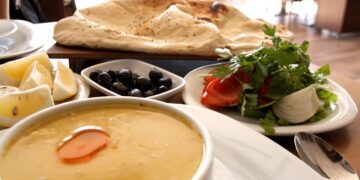
If food is part of why you travel, Bulgarian cuisine: banitsa and shopska salad fits naturally into a broader Bulgaria itinerary.
Is Bulgaria expensive?
Bulgaria still offers relatively good value by European standards, especially outside the busiest summer resort periods.
| Budget style | Daily estimate per person | What that usually covers |
|---|---|---|
| Shoestring | €45 to €70 | Hostel or simple room, buses and casual meals |
| Mid-range | €75 to €120 | Comfortable hotel, mixed dining and intercity travel |
| Comfort | €140 to €200 | Better hotels, taxis and guided or activity-heavy days |
The coast rises most sharply in July and August, while shoulder season remains much easier on the budget.
Is Bulgaria safe?
For most visitors, yes. It is generally straightforward, but the usual city and transport awareness still matters.
Sensible precautions
- keep bags closed on public transport
- use licensed taxis or known apps
- watch the road quality and speed rules if driving in rural areas
- check weather and route conditions in the mountains
- keep cash for smaller places that may not take cards
In practice, the bigger trip challenge is usually logistics and route planning rather than safety.
What should you pack for Bulgaria?
Packing depends on whether your trip leans coastal, urban or mountain-based.
Useful basics
- comfortable walking shoes
- light rain layer
- Type F adapter
- refillable bottle
- layers for cooler evenings inland or at altitude
Summer
- hat
- sunscreen
- lighter clothing
- beach gear for the coast
Shoulder season
- mid-layers
- warmer extra top for mountain evenings
Winter
- insulated coat
- gloves
- boots with grip
For churches and monasteries, modest clothing is still useful to have on hand.
Practical Bulgaria travel tips for 2026
Bulgaria travel tips that actually help
- choose between coast and mountains early, unless you have enough time for both
- do not skip Plovdiv if you are already travelling between Sofia and the coast
- keep your first route simple rather than trying to cover the whole country
- use buses more than you think you will
- carry some cash outside major cities
- book Black Sea stays earlier if travelling in peak summer
We have found at VayCay Couple that Bulgaria works best when it is treated as a mixed destination. The trip improves a lot once you stop thinking of it as only beach, only budget or only road trip.
Is Bulgaria worth visiting?
Yes, especially if you want a European trip that combines cities, older history, mountains and coast without the same price pressure as many neighbouring destinations.
The best version of Bulgaria is not the one where you try to prove you have “done” the whole country. It is the one where you give Sofia enough time, add one or two strong supporting stops, and let the route stay focused. That is when the place starts to feel much more rewarding.
FAQs
Seven to ten days is a strong first-trip length if you want Sofia, Plovdiv and either the coast or the mountains.
May, June and September are usually the easiest months for a mixed trip. Summer is best for the Black Sea, and winter is best for ski travel.
It is usually better value than many nearby European destinations, especially outside the busiest coastal weeks.
Not always. Sofia and the main city routes work without one, but a car helps more for mountain and rural travel.
Yes. Sofia is a practical and underrated capital that works well as the starting point for a wider Bulgaria trip.
Balchik is calmer and more scenic. Sunny Beach is better if you want a busier resort base with more classic beach-holiday energy.