





We at VayCay Couple booked Punta Cana for a lazy all-inclusive week and came home having done a lot more than lie on the sand. This is the resort coast on the far east coast of the Dominican Republic, a long line of palm-backed Caribbean beaches and big hotels, about nine hours from the UK. Punta Cana holidays are usually sold as a wristband-and-buffet week, and that works, but there is a cenote to swim, an island to sail to and a colonial capital up the road. Below is our honest take on the beaches, the excursions, where to stay and when to come, and everything here was current in September 2026.
What is Punta Cana actually like?
Be clear about what you are booking. Punta Cana is a purpose-built resort strip, not an old town with local life on the doorstep, so most people stay inside a gated all-inclusive and venture out on organised trips. The upside is easy, cheap, reliable sun and some of the best beaches in the Caribbean. A Punta Cana all inclusive is the normal way to do it, with flights, transfers, food and drink in one price, which keeps a beach week simple and the spending down. If you want street life and history, save a day for Santo Domingo or pick a different trip altogether.
The beaches
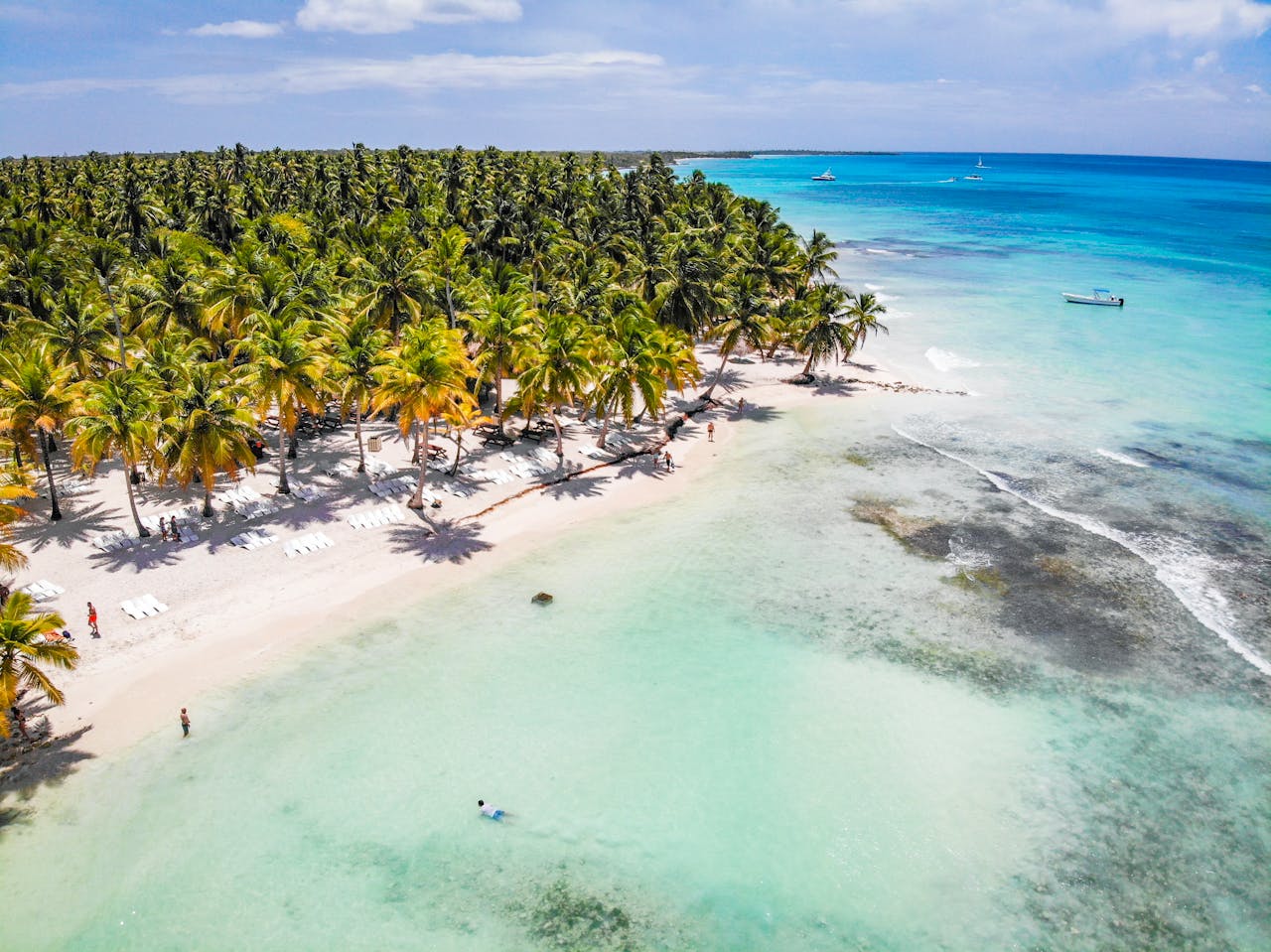
The Punta Cana beaches are the reason to come, a 48km run of pale sand and warm, shallow sea. Bavaro Beach is the main stretch, lined with the big resorts and easy for swimming. Cabeza de Toro, just south, is quieter and calmer. Macao is the public beach, rougher and used for surf lessons and buggy stops, worth seeing for a less manicured strip. In the upmarket Cap Cana area, Juanillo and Playa Blanca are the postcard beaches, with smart beach clubs. One honest note, seaweed. Sargassum washes up along this coast, worst between May and August, and the resorts rake it each morning. It only affects the shoreline, so boat trips still reach clear water.
What should you do in Punta Cana?
Beyond the sunbed, the things to do in Punta Cana split between the resort strip and a few standout trips. The one we rate most is Scape Park in Cap Cana, home to the Hoyo Azul, a bright blue natural cenote at the foot of a cliff that you can swim in, plus ziplines and a dry cave, for around 89 US dollars. For a night out, Coco Bongo in Downtown Punta Cana is a show-and-club combo of acrobats, live music and open bar, loud and fun, about 90 to 100 dollars. A buggy or quad safari to Macao beach and a country cenote is muddy and cheap, and a catamaran party boat with a snorkel stop is the easy half-day on the water.
Excursions worth taking
The bigger trips are where Punta Cana gets interesting. The classic is a boat day to Saona Island, inside a national park, where a shallow natural pool full of starfish sits offshore and some Pirates of the Caribbean scenes were filmed, from about 65 dollars with lunch. Divers head to Isla Catalina instead. For history, a long day trip to Santo Domingo, about a two-and-a-half-hour drive each way, reaches the oldest European city in the Americas and its colonial old town. In the winter months, January into March, humpback whales gather off the Samana peninsula further north, one of the best whale-watching trips in the Caribbean. These Punta Cana excursions are all booked through hotels or local operators.
| Excursion | What it is | Rough price |
| Saona Island | National-park boat day, natural pool | from ~65 USD |
| Scape Park and Hoyo Azul | Cenote swim, ziplines, cave | ~89 USD |
| Coco Bongo | Show and club night, open bar | ~90-100 USD |
| Buggy safari to Macao | Mud, beach and a country cenote | ~45-60 USD |
| Santo Domingo | Colonial capital day trip | ~70-90 USD |
| Catamaran and snorkel | Party boat and reef stop | ~50-75 USD |
Where to stay, the resort zones
Almost everyone stays all-inclusive, and the choice is really which zone. Bavaro is the central resort belt, the most hotels, bars and trips on the doorstep, and the best value. Cap Cana to the south is the upmarket end, with a marina, golf and the smartest resorts and beach clubs. Uvero Alto to the north is quieter and newer, good for peace but a 40-minute drive from the shops and Coco Bongo. As a rough guide, a week’s all-inclusive package from the UK runs about 1,000 to 1,800 pounds a head depending on the season and the star rating, with Cap Cana at the top end.
Getting there and the e-ticket
Punta Cana International Airport takes direct flights from the UK, a hop under nine hours, and most packages include the resort transfer. You do not need a visa, but every traveller has to fill in a free online e-ticket within 72 hours before flying, once for arrival and once to leave, at the official migration portal. The old paper tourist card is gone, and its cost is now bundled into your airfare. On the ground you rarely need a car, as transfers and excursions collect you, and taxis run fixed tourist fares that are worth agreeing first.
What time of year suits Punta Cana?
The best time to visit Punta Cana is December to April, the dry and sunniest stretch, when it is hot and least humid, and January and February also bring the clearest water with the least seaweed. Prices peak over Christmas and New Year and around Easter. The summer from June is hotter and wetter, with the most sargassum on the beaches, though the sea trips are unaffected. Hurricanes are possible between June and November, with the real risk mostly in the August to October window, so many people avoid those weeks. We like February for the mix of sun, clear sea and whales offshore.
How safe is Punta Cana?
Yes, it is safe for a normal resort holiday. The tourist areas are heavily geared to visitors and low on serious crime, and a dedicated tourist police, CESTUR, patrols them. Use the usual care with valuables, stick to licensed taxis and official excursions, and do not wander unlit areas at night. Skip the tap water and drink bottled, and go easy on the strong sun and the free bar. Couples and solo visitors rarely run into trouble inside the resort zones.
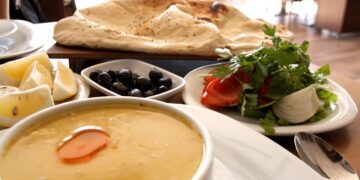
Book the all-inclusive, but keep two days for Saona and Scape Park and one for Santo Domingo. The local Dominican food is worth trying beyond the buffet, and the official Go Dominican Republic board has current excursion and event details. Buen viaje.
FAQs
Yes, for a guaranteed-sun beach week with a few good trips on the side. The beaches and the all-inclusive value are the draw. It is the wrong choice if you want independent travel and local life, in which case base yourself in Santo Domingo or the north coast instead.
No visa for UK or EU visitors on trips of up to 30 days. You just need a passport valid for your trip and the free online e-ticket, filled in within 72 hours of each flight. There is no longer a separate paid tourist card.
Yes, and it is worth it. Book excursions through your hotel or a known operator, take licensed taxis, and you can reach Saona, Scape Park, Coco Bongo and Santo Domingo easily. Wandering out on foot is less rewarding, as the resort strip is spread out and not built for walking.
Mamajuana is the Dominican house drink, rum, red wine and honey steeped over a jar of bark and herbs, sold as a warming, faintly medicinal shot. Every bar and market stall has its own version, and a bottle of the dry herbs is a cheap, genuinely local souvenir.