



Eating well in Rome is not about chasing the longest queue or booking the most talked-about restaurant. It is about knowing what to order, when to eat it, and which neighbourhoods still feel tied to daily Roman life.
Rome is a city of simple food done properly. Pasta sauces are short and direct. Pizza is eaten by the slice or thin and crisp at dinner. Artichokes, offal, pecorino, guanciale, puntarelle and fried snacks all tell you something about the city before you even get to dessert.
At VayCay Couple, we think Rome makes most sense when food is built into the day rather than treated as a separate plan. Start with coffee, walk between sights, stop for a market lunch, keep dinner simple and leave room for gelato on the way back.
If it is your first visit, use our Rome travel guide alongside this food guide so your meals fit naturally around the Colosseum, Vatican, Pantheon and the city’s quieter corners.
What does it mean to eat like a local in Rome?
To eat like a local in Rome, keep things simple. Choose seasonal dishes, avoid restaurants with pushy staff outside, eat near residential neighbourhoods when you can, and learn a few Roman staples before you sit down.
Roman food is not delicate in a fussy way. It is direct, salty, rich and often built from humble ingredients. The best meals are not always expensive. A slice of pizza bianca, a hot supplì or a plate of tonnarelli cacio e pepe can be more memorable than a long tasting menu.
Good signs include:
- a short menu
- seasonal specials
- Roman dishes written clearly
- local people eating there
- staff not trying to pull you in from the street
- house wine by the carafe
- simple paper menus rather than glossy tourist boards
Bad signs include:
- photos of every dish
- “tourist menu” boards in several languages
- carbonara with cream
- cappuccino advertised with dinner
- staff calling you in from the pavement
- menus covering every Italian region at once
What food is Rome famous for?
Rome is known for pasta, fried snacks, thin pizza, Jewish-Roman dishes, offal, artichokes and simple desserts.
| Roman food | What it is | When to try it |
|---|---|---|
| Cacio e pepe | Pasta with pecorino and black pepper | Lunch or dinner |
| Carbonara | Pasta with egg, pecorino, guanciale and pepper | Lunch or dinner |
| Amatriciana | Pasta with tomato, guanciale and pecorino | Lunch or dinner |
| Gricia | Pasta with guanciale, pecorino and pepper | Lunch or dinner |
| Supplì | Fried rice ball with tomato and mozzarella | Snack or quick lunch |
| Pizza al taglio | Pizza by the slice | Lunch, snack or casual dinner |
| Carciofi alla giudia | Deep-fried Jewish-style artichokes | Lunch or dinner |
| Carciofi alla romana | Braised Roman-style artichokes | Spring especially |
| Maritozzo | Sweet bun often filled with cream | Breakfast or afternoon |
| Gelato | Italian ice cream | Afternoon or evening |
If you only have two days, choose one pasta meal, one market lunch, one Roman-Jewish meal, one pizza stop and one proper gelato place. That gives you a better feel for Rome than eating the same type of meal every night.
How do Romans eat during the day?
Rome has a rhythm. It helps to follow it.
| Time | What locals often do | What to know |
|---|---|---|
| Morning | Espresso or cappuccino with a cornetto | Coffee is usually quick and light |
| Late morning | Market stop or another coffee | Good time for food shopping |
| Lunch | Pasta, pizza slice or trattoria meal | Many kitchens close after lunch |
| Afternoon | Gelato, coffee or aperitivo later | Avoid expecting full meals all day |
| Evening | Dinner from around 8pm | Book popular places ahead |
| Late night | Drinks, gelato or a short walk | Food options vary by area |
You can eat earlier, especially in tourist areas, but better local restaurants often fill later. Book dinner if you have a specific place in mind.
Where should you eat like a local in Rome?
Rome’s food areas each have a different feel. You do not need to visit them all, but it helps to know what each one does well.
| Area | Best for | Good time to go |
|---|---|---|
| Testaccio | Markets, Roman classics, trattorias | Lunch or dinner |
| Trastevere | Casual restaurants and evening atmosphere | Early dinner or late evening |
| Jewish Ghetto | Artichokes and Roman-Jewish cooking | Lunch or dinner |
| Campo de’ Fiori | Market browsing and central snacks | Morning |
| Monti | Wine bars, modern casual food, easy dinner | Evening |
| Prati | Vatican-area meals without the worst crowds | Lunch after sightseeing |
| Centro Storico | Coffee, gelato and quick stops | Between major sights |
The best strategy is to eat near where you already are, but not always on the main square. Walk five minutes down a side street and the meal often improves.
Testaccio: Rome’s best area for proper Roman food
Testaccio is one of the best neighbourhoods for understanding Roman food. It was historically linked to the city’s slaughterhouse, which shaped the cucina romana tradition of using cheaper cuts and offal.
Today, it is one of the strongest areas for food markets, trattorias and unfussy local meals.
What to eat in Testaccio
Try:
- coda alla vaccinara, Roman oxtail stew
- rigatoni con la pajata, if you are comfortable with offal
- cacio e pepe
- supplì
- porchetta
- Roman-style pizza
- seasonal vegetables
- maritozzi or pastries nearby
Visit Mercato Testaccio
Mercato Testaccio is one of the best market stops in Rome for lunch. It is covered, practical and better for eating than taking photos. You can try sandwiches, pizza, pasta, fried snacks, produce and simple Roman dishes without sitting through a long meal.
Check current opening information on the official Mercato Testaccio site before you go.
Go before the lunch rush if you want more choice. It is usually better earlier in the day than late afternoon.
Trastevere: good food if you choose carefully
Trastevere is one of Rome’s most popular evening areas. It has narrow streets, bars, small restaurants and a lively feel, especially at night.
It is also easy to eat badly here if you choose the busiest tourist-facing spots. Do a little research before you go, or at least avoid restaurants with large picture menus on the most obvious corners.
What to order in Trastevere
Good choices include:
- carbonara
- amatriciana
- fried courgette flowers
- supplì
- Roman artichokes in season
- pizza romana
- tiramisu
- house wine
Go early if you want a quieter walk. Go later if you want atmosphere. For a couple’s trip, Trastevere works well after a day of sightseeing because you can eat, walk and stop for a drink without needing much transport.
The Jewish Ghetto: artichokes, history and Roman-Jewish cooking
The Jewish Ghetto is one of Rome’s most important food areas. It is closely tied to Roman-Jewish cooking, with dishes that are part of the city’s identity.
The most famous dish is carciofi alla giudia, a deep-fried artichoke that becomes crisp on the outside and soft inside. It is especially good when artichokes are in season.
What to eat in the Jewish Ghetto
Look for:
- carciofi alla giudia
- carciofi alla romana
- concia di zucchine
- fried cod
- Jewish-Roman pastries
- simple pasta dishes
- slow-cooked meat dishes
This is also an area where food and history sit close together, so do not treat it as only a restaurant stop. Walk around the streets near Portico d’Ottavia and allow time to understand the setting.
Campo de’ Fiori: useful for a morning food stop
Campo de’ Fiori is one of Rome’s best-known markets. It is central, lively and easy to add to a morning walk through the historic centre.
It is not the cheapest or most local-feeling market in the city, but it is useful if you want produce, flowers, spices, small food gifts or a quick look at Roman market life without leaving the centre.
The official Rome tourism site has current visitor information for Campo de’ Fiori, which is helpful if you are building it into a walking route.
What to buy near Campo de’ Fiori
Good simple buys include:
- fruit for later
- bread
- cheese
- cured meats
- spices
- sun-dried tomatoes
- biscuits
- food gifts
For lunch, you may find better value in the side streets nearby than directly on the square.
Prati: where to eat near the Vatican
Prati is useful if you are visiting the Vatican Museums or St Peter’s Basilica. It is more residential than the area immediately around major tourist entrances, so it can be a better place to eat before or after sightseeing.
Look for sandwich shops, bakeries, casual pasta spots and gelato rather than sitting at the first place beside the Vatican exit.
If you are doing Rome quickly, our Rome in 48 hours itinerary can help you place Prati and the Vatican into a realistic two-day route.
Monti: easy dinner near the Colosseum
Monti is a good option if you want dinner after visiting the Colosseum or Roman Forum. It has wine bars, small restaurants, cafés and a less formal evening feel than some parts of the historic centre.
It is not hidden, but it is still useful. The area works well when you want to eat without crossing the city after a long sightseeing day.
Order simply: pasta, a few shared starters, a glass of wine and a walk through the neighbourhood after dinner.
What pasta should you order in Rome?
Rome has four classic pasta dishes you should know before sitting down.
Cacio e pepe
Cacio e pepe is made with pasta, pecorino romano and black pepper. It sounds basic, but it depends on technique. A good version is creamy without cream.
Carbonara
Roman carbonara uses egg, pecorino, guanciale and black pepper. It should not contain cream. Guanciale gives it a richer flavour than standard bacon.
Amatriciana
Amatriciana is made with tomato, guanciale and pecorino. It is stronger and more savoury than a basic tomato pasta.
Gricia
Gricia is sometimes described as carbonara without egg or amatriciana without tomato. It uses guanciale, pecorino and pepper.
If you are unsure, order gricia or cacio e pepe at lunch and save carbonara for a proper trattoria dinner.
What street food should you try in Rome?
Roman street food is one of the easiest ways to eat well without spending too much.
Try:
- supplì
- pizza al taglio
- trapizzino
- porchetta sandwich
- pizza bianca
- fried courgette flowers
- maritozzo
- gelato
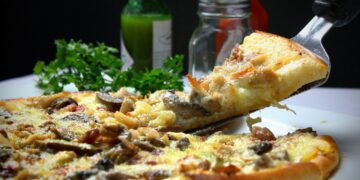
Pizza al taglio is sold by weight. You choose how much you want, and it is cut with scissors or a knife. It is ideal for lunch between sights.
Supplì should be hot, crisp and simple. If the mozzarella stretches when you break it open, that is a good sign.
How do you find good gelato in Rome?
Good gelato is not hard to find, but touristy gelato is everywhere.
Look for:
- natural colours
- covered metal tubs
- seasonal flavours
- smaller displays
- clear ingredient signs
- pistachio that is dull green or brownish, not bright green
Avoid gelato piled high in big colourful waves. It often looks better than it tastes.
Good flavours to try include pistachio, hazelnut, fior di latte, stracciatella, lemon, coffee and seasonal fruit.
What should vegetarians eat in Rome?
Rome is easier for vegetarians than many people expect. You do not need to live on plain pasta.
Good vegetarian choices include:
- cacio e pepe
- pasta all’arrabbiata
- pizza marinara
- pizza with courgette flowers
- supplì without meat, if available
- carciofi alla romana
- carciofi alla giudia
- puntarelle
- bruschetta
- caprese
- vegetable antipasti
For a deeper vegetarian route, read our guide to vegetarian food in Rome.
What should you drink with food in Rome?
Keep drinks simple.
For breakfast, order espresso or cappuccino. Cappuccino is mainly a morning drink, though nobody is going to stop you ordering one later.
At lunch or dinner, house wine is common and often good enough. Frascati is a classic local white wine from the hills near Rome. For a pre-dinner drink, try a spritz, vermouth or a glass of wine rather than turning every stop into a cocktail.
Drink plenty of water too. Rome has public fountains called nasoni, where you can refill a bottle for free.
Food rules in Rome that help you avoid bad meals
You do not need to be strict, but these habits help.
- Eat near main sights only when you have checked the place first.
- Do not sit down just because someone outside invited you in.
- Avoid menus with every Italian dish you have ever heard of.
- Book popular trattorias.
- Check opening days before crossing the city.
- Eat lunch before kitchens close.
- Keep cash for small stops.
- Ask for the bill when ready; it may not come automatically.
- Do not expect fast service everywhere.
- Leave room for a walk after dinner.
Rome rewards people who slow down.
A simple Rome food day
This plan works well if you want to eat properly without turning the whole day into a restaurant crawl.
| Time | Plan |
|---|---|
| Morning | Espresso and cornetto near your hotel |
| Late morning | Walk through Campo de’ Fiori or a neighbourhood market |
| Lunch | Pizza al taglio, supplì or Mercato Testaccio |
| Afternoon | Gelato between sights |
| Early evening | Aperitivo in Monti, Prati or Trastevere |
| Dinner | Trattoria meal with one Roman pasta and a seasonal side |
| After dinner | Short walk, coffee or another gelato if you still have space |
For a longer Italy route, our Italy travel guide can help you connect Rome with Florence, Naples, Milan, Venice or the coast.
Best Rome food areas for different trips
| Trip style | Best food area |
|---|---|
| First Rome visit | Testaccio and Trastevere |
| Vatican day | Prati |
| Colosseum day | Monti |
| Food market lunch | Testaccio |
| Artichokes and Roman-Jewish food | Jewish Ghetto |
| Central morning walk | Campo de’ Fiori |
| Romantic evening | Trastevere or Monti |
| Quick city break | Centro Storico with one planned trattoria |
If Rome is part of a wider European trip, our Europe guide can help with route planning by train, plane or car.
Common mistakes when eating in Rome
Avoid these if you want better meals:
- eating on the first big square you see
- ordering only dishes you know from abroad
- skipping markets
- expecting dinner at 6pm to feel local
- choosing restaurants from picture menus
- ordering cappuccino with a full dinner
- filling every day with heavy pasta meals
- not booking popular small restaurants
- ignoring Testaccio because it is not beside the main monuments
- leaving gelato until the last day
The best Rome food trip has balance: one planned meal, one casual snack, one market or bakery stop, and enough walking to enjoy it all.
Rome is not a city where you need to chase every famous restaurant. You will eat better by understanding the basics, choosing the right neighbourhoods and leaving time for simple stops.
FAQs
The most local foods to try in Rome include cacio e pepe, carbonara, amatriciana, gricia, supplì, pizza al taglio, carciofi alla giudia and carciofi alla romana.
Locals eat across the city, but Testaccio, Prati, Garbatella, Monteverde, San Giovanni and parts of Monti are good areas to look beyond the busiest tourist streets.
Mercato Testaccio is one of the best food markets in Rome for lunch and local flavour. Campo de’ Fiori is more central and easier to add to a first-time sightseeing route.
Yes, Trastevere can be good for food, but it is also very popular with visitors. Choose carefully, book ahead where needed and avoid restaurants that feel too tourist-focused.
Try cacio e pepe first if you want the simplest Roman classic. Choose carbonara if you want something richer, or amatriciana if you prefer tomato-based pasta.
Many Romans eat dinner later than visitors from the UK, often from around 8pm onwards. Tourist restaurants open earlier, but better local places may feel quiet before then.
Tipping is not expected in the same way as in the United States. You can round up or leave a small amount for good service, but check if a service charge is already included.
Yes. Pizza al taglio, supplì, bakeries, markets, simple pasta places and takeaway snacks can keep costs down. Avoid sitting on major landmark squares if you want better value.
Avoid restaurants with huge picture menus, pushy staff outside, frozen-looking displays and dishes that do not fit Roman cooking. Carbonara with cream is usually a poor sign.
Yes. Rome has plenty of vegetarian-friendly dishes, especially artichokes, pizza, vegetable antipasti, cacio e pepe, arrabbiata, bruschetta and seasonal sides.