



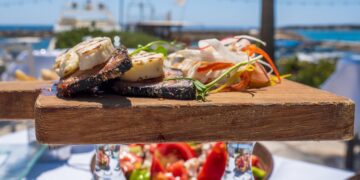

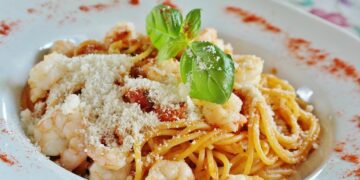

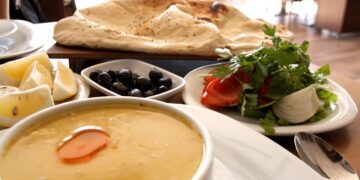

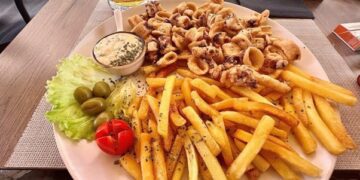
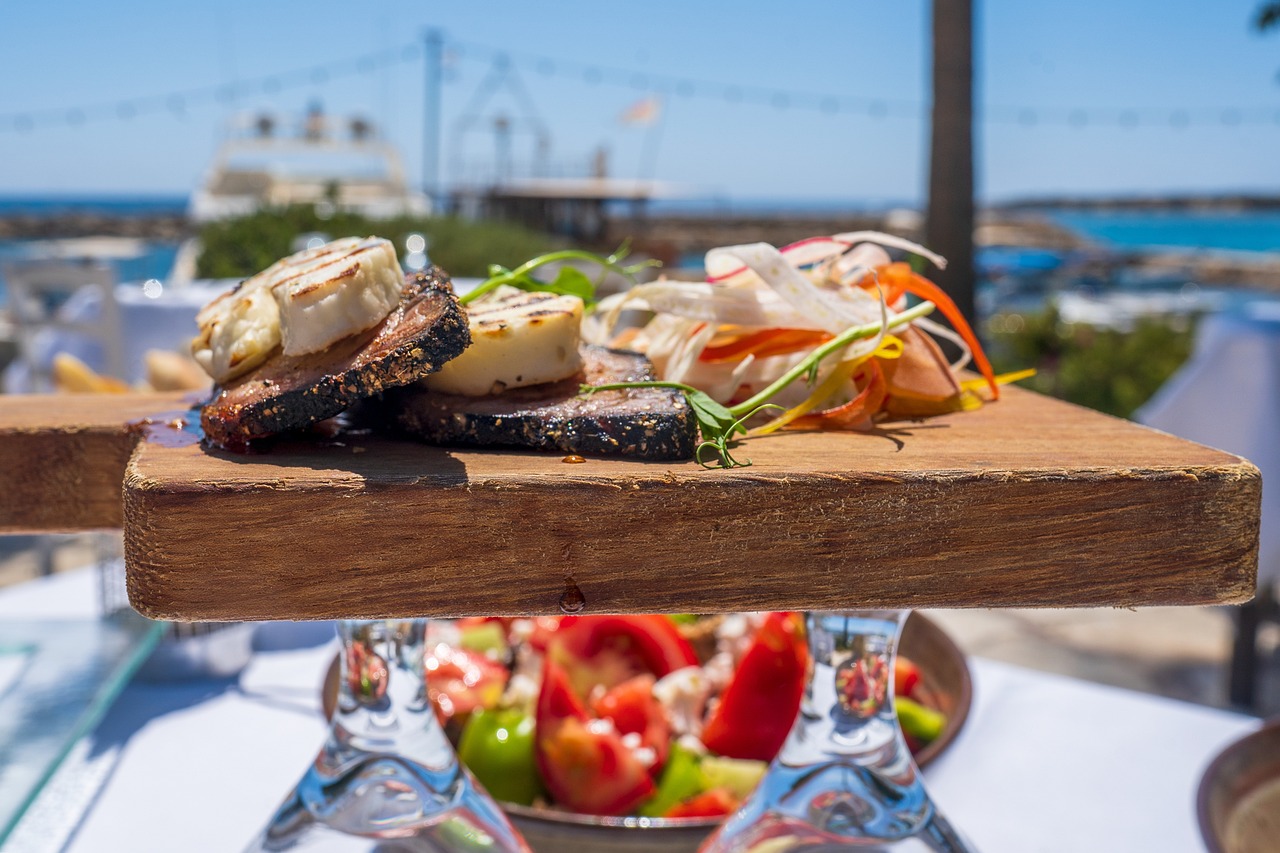
Greek food is one of the main reasons people remember a trip to Kos or Rhodes. The best meals are usually simple: grilled fish, fresh salad, good olive oil, feta, herbs, bread, dips and something sweet with honey at the end.
This is not a guide to every Greek dish. It is a practical food guide for travellers who want to know what to order, how Greek island meals work, and which foods make sense in Kos and Rhodes.
What is Greek food known for?
Greek food is known for olive oil, vegetables, herbs, cheese, fish, lamb, pulses, yoghurt, honey and bread. Most dishes are built around simple ingredients rather than heavy sauces.
Common flavours include:
- olive oil
- lemon
- oregano
- thyme
- garlic
- tomato
- feta
- yoghurt
- honey
- grilled meat
- fresh fish
- aubergine
- courgette
- beans and lentils
The Mediterranean diet is recognised by UNESCO as a set of food traditions, skills and social practices linked to growing, cooking and eating together. You can read the official UNESCO Mediterranean diet entry for more background.
What should you eat first in Greece?
If it is your first Greek island trip, start with the dishes that appear everywhere and explain the food quickly.
| Dish | What it is | Best time to eat it |
|---|---|---|
| Greek salad | Tomato, cucumber, onion, olives and feta | Lunch or dinner |
| Tzatziki | Yoghurt, cucumber and garlic dip | With bread or grilled meat |
| Souvlaki | Grilled meat skewer or wrap | Lunch, dinner or quick food |
| Gyros | Meat cooked on a vertical spit, often in pita | Casual meal |
| Moussaka | Layered aubergine, mince and béchamel | Dinner |
| Dolmades | Stuffed vine leaves | Starter or meze |
| Grilled octopus | Charred octopus with lemon and oil | Seafront meal |
| Baklava | Pastry with nuts and syrup | Dessert |
| Loukoumades | Small fried dough balls with honey | Sweet snack |
If you only have a few meals, order Greek salad, tzatziki, souvlaki or gyros, grilled fish or octopus, and one honey-based dessert.
Is Greek food healthy?
Greek food can be healthy when you choose simple dishes: grilled fish, salads, beans, vegetables, yoghurt, olive oil and herbs.
It can also be rich. Fried cheese, pies, chips, pastries and large meat platters are common in tourist areas. The balance depends on what you order.
A good simple meal might be:
- Greek salad
- grilled fish or chicken
- wild greens or beans
- bread
- fruit or yoghurt with honey
That gives you the Greek food people talk about without making every meal heavy.
Why is olive oil so important in Greek food?
Olive oil is used in cooking, salads, dips, vegetables and grilled dishes. It is one of the main reasons Greek food tastes fresh and full without needing complicated sauces.
On islands such as Kos and Rhodes, olive oil appears in nearly every meal. It goes over salads, fish, bread, vegetables and cheese. If the oil is good, simple dishes taste better.
In a taverna, notice how often olive oil does the work. A tomato salad, grilled fish or plate of beans often needs very little else.

What makes feta different from ordinary white cheese?
Feta is one of Greece’s most important foods and has Protected Designation of Origin status in the EU. The European Commission says Feta PDO is Greece’s flagship geographical indication and is strongly linked to traditional production and specific Greek conditions.
Feta should be salty, tangy and crumbly, often served in a slab rather than grated. It is used in:
- Greek salad
- pies
- baked feta
- dakos
- meze plates
- omelettes
- stuffed vegetables
Do not judge feta only by supermarket versions at home. In Greece, it usually tastes stronger and works better with tomatoes, olive oil and oregano.

What is meze?
Meze means small plates shared at the table. It is one of the best ways to eat in Greece because you can try several dishes without committing to one large main course.
Common meze dishes include:
- tzatziki
- taramasalata
- dolmades
- fava
- fried courgettes
- grilled halloumi or local cheese
- octopus
- olives
- small fish
- meatballs
- bread
Meze is not a starter you rush through. It is often the meal itself, especially at lunch or on a warm evening.
What should you eat in Kos?
Kos is good for simple island meals, seafood, vegetables, olive oil and casual tavernas. The island also has strong links to farming, so fresh produce matters.
Good food to try in Kos includes:
- Greek salad with local tomatoes
- grilled fish
- octopus
- lamb dishes
- pitaridia, a local pasta dish
- katimeria, a local cheese pastry
- local honey
- olive oil
- souvlaki or gyros for quick meals
- yoghurt with fruit or honey
While you explore Kos, leave time for a simple taverna lunch rather than eating every meal around the busiest resort strips.
What should you eat in Rhodes?
Rhodes has a strong food scene because it mixes island cooking, medieval city tourism, seafront restaurants and traditional village tavernas.
Good food to try in Rhodes includes:
- pitaroudia, chickpea fritters
- melekouni, sesame and honey sweet
- grilled octopus
- fresh fish
- stuffed vegetables
- lamb with herbs
- local cheese
- honey desserts
- Greek salad
- seafood pasta in tourist areas, if done well
The old town is useful for a meal, but some of the better eating happens outside the most obvious tourist lanes. Around Ixia, seafront restaurants can work well when you want a slower meal with water views.
Kos or Rhodes: which island is better for food?
Both are good, but they suit different food trips.
| Choose Kos if you want | Choose Rhodes if you want |
| Simpler island tavernas | More restaurant choice |
| Relaxed resort meals | Old town and seafront dining |
| Local pastries and produce | Village food and chickpea fritters |
| Easy beach lunches | More varied evening meals |
| A calmer food trip | A bigger island food scene |
Kos is easier and smaller. Rhodes gives you more choice and more contrast between old town, coast and villages.
What Greek street food should you try?
Greek street food is useful when you do not want a long sit-down meal.
Try:
- gyros pita
- souvlaki
- spanakopita
- tiropita
- koulouri
- loukoumades
- roasted corn
- grilled meat skewers
- takeaway Greek salad or pies from bakeries
A good street food meal in Greece is often simple: gyros, a cold drink and a short walk by the harbour.
What should vegetarians eat in Greece?
Vegetarians can eat well in Greece, especially if they like vegetables, cheese, pulses and pies.
Good vegetarian choices include:
- Greek salad
- gemista
- fava
- briam
- spanakopita
- tiropita
- dolmades
- gigantes
- fried courgettes
- aubergine dishes
- beans in tomato sauce
- yoghurt with honey
Ask if dishes contain meat stock, especially soups, beans or cooked vegetables. Many vegetable dishes are meat-free, but it is worth checking.
What seafood should you order in Kos and Rhodes?
Seafood is one of the best parts of eating on Greek islands, but ordering carefully matters.
Good choices include:
- grilled sea bream
- grilled sea bass
- sardines
- anchovies
- calamari
- octopus
- prawns
- mussels
- seafood pasta, if the restaurant is known for it
Ask what is fresh and how the fish is priced. In some restaurants, fish is priced by weight, so check before ordering.
For a simple meal, grilled fish with lemon, olive oil, salad and bread is often better than a complicated seafood plate.
What desserts should you try in Greece?
Greek desserts often use honey, nuts, pastry, yoghurt and fruit.
Try:
- baklava
- loukoumades
- yoghurt with honey
- kataifi
- galaktoboureko
- spoon sweets
- orange pie
- melekouni in Rhodes
- local honey sweets in Kos
Desserts are usually sweet, so one shared plate can be enough after a large taverna meal.
What should you drink with Greek food?
Greek meals work well with simple drinks.
Try:
- Greek wine
- retsina, if you want something traditional
- ouzo with meze
- tsipouro
- local beer
- Greek coffee
- frappé
- fresh lemonade
- water with every meal
Ouzo is best with food, not as a quick shot. Drink it slowly with meze, seafood or small plates.
How do you eat in a Greek taverna?
A Greek taverna meal is usually relaxed. You do not need to rush.
A simple order for two people could be:
- Greek salad
- tzatziki
- one vegetable dish
- grilled meat or fish
- bread
- one dessert or fruit
Portions can be large, so start with fewer dishes and add more if needed.
Useful tips:
- ask what is fresh
- check fish prices by weight
- share starters
- expect bread to appear automatically
- leave a small tip if service is good
- avoid restaurants with pushy menus on the busiest strips
- eat later in the evening if you want a more local rhythm
What food do tourists often miss in Greece?
Many visitors only order Greek salad, gyros and moussaka. Those are worth trying, but they are not the whole story.
Look for:
- fava
- briam
- gigantes
- local pies
- wild greens
- grilled sardines
- octopus
- local honey
- island cheeses
- regional sweets
- simple bean dishes
At VayCay Couple, we think Greek food is best when the meal stays simple: one fresh salad, one dish from the grill, one local plate you have not tried before and enough time to enjoy it properly.
Is Greek food good for families?
Yes, Greek food works well for families because it is easy to share and many dishes are familiar.
Good family choices include:
- souvlaki
- gyros
- Greek salad
- chips
- grilled chicken
- pasta dishes in tourist areas
- bread and dips
- cheese pies
- yoghurt with honey
- fruit
If children are unsure about seafood or stews, start with simple grilled dishes and add small plates for everyone to try.
How does Greek food fit into a Greece trip?
Food should shape the day, not sit at the end of it. A Greek island trip in Europe often works better when you plan around one good lunch, one beach snack and one relaxed dinner rather than three heavy meals.
Kos and Rhodes are just two Greek island destinations where food is part of the trip. On both islands, the best meals often happen when you move away from the loudest resort streets and choose places where the menu is shorter and the cooking is simpler.
FAQs
Some of the most famous Greek foods are Greek salad, souvlaki, gyros, moussaka, tzatziki, feta, dolmades, baklava and grilled seafood.
Start with Greek salad, tzatziki, souvlaki or gyros, grilled fish or octopus, and baklava or yoghurt with honey.
No, Greek food is usually not spicy. It is more often seasoned with olive oil, lemon, oregano, thyme, garlic and herbs.
A typical traveller-friendly Greek breakfast might include yoghurt with honey, bread, cheese, olives, eggs, fruit, coffee and sometimes pastries such as tiropita or spanakopita.
Gyros is usually meat cooked on a vertical spit and served in pita or on a plate. Souvlaki is grilled meat on skewers, also served in pita or as a plate meal.
Yes. Vegetarians can eat well in Greece with dishes such as Greek salad, fava, briam, gemista, spanakopita, tiropita, dolmades, gigantes and fried courgettes.
Rhodes is known for seafood, pitaroudia, melekouni, grilled octopus, local honey, village tavernas and seafront meals.
Kos is known for seafood, olive oil, local pastries, pitaridia, katimeria, honey, grilled meats, salads and simple taverna food.