

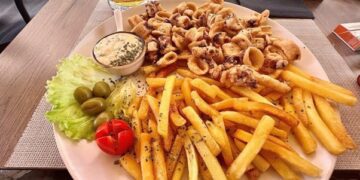
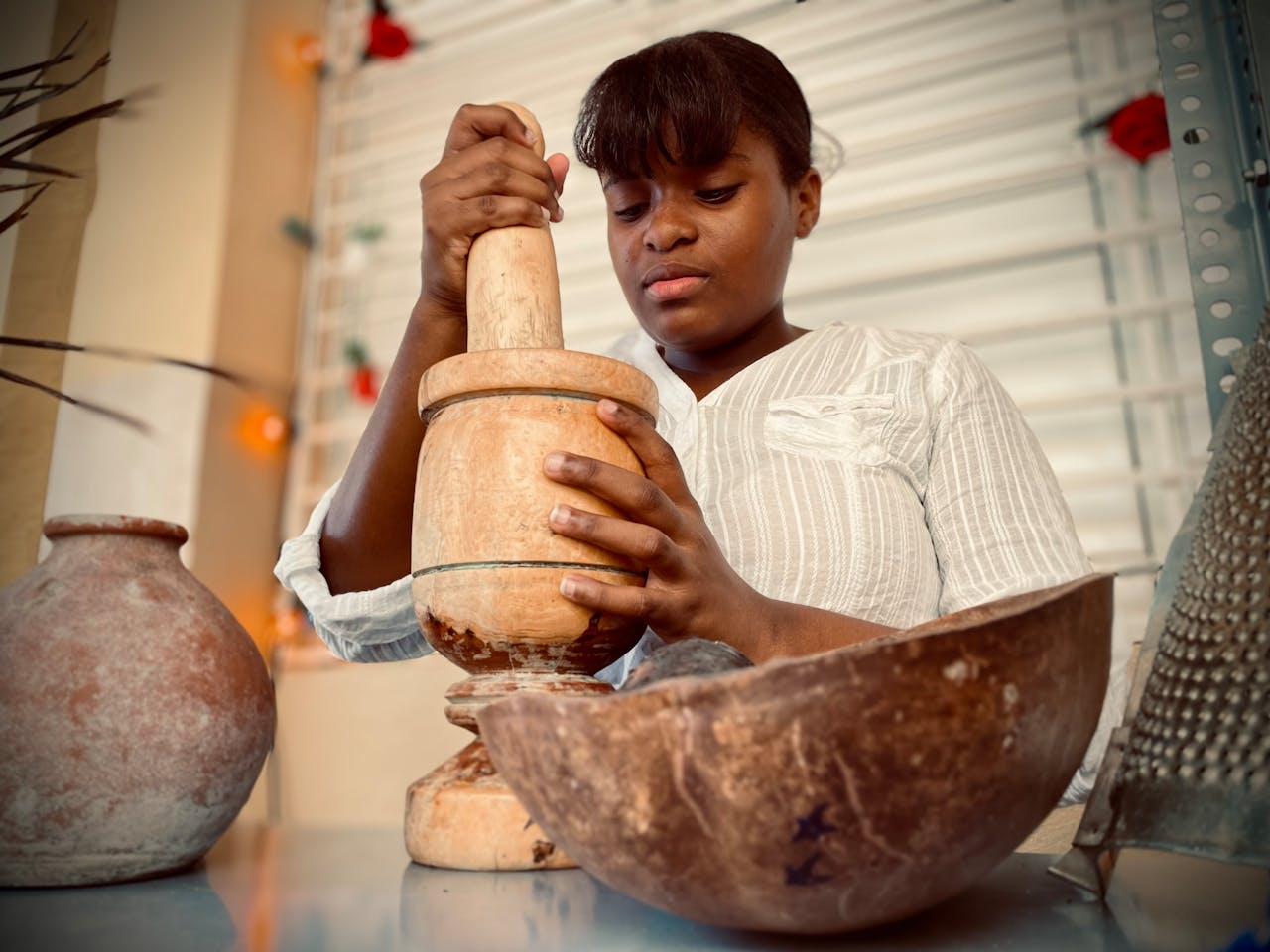
Food in the Dominican Republic is simple, filling and closely tied to daily life. The dishes visitors remember are often not the fancy ones. They are the plates people eat at home, in comedores, at beach stalls and in small restaurants: rice, beans, plantains, stewed meat, fried snacks, seafood and fresh fruit.
This guide answers the main question: what should you actually eat in the Dominican Republic?
It covers the essential dishes, when to order them, where to find them and what resort travellers often miss.
What is Dominican food known for?
Dominican food is known for rice, beans, plantains, slow-cooked meats, root vegetables, seafood, fresh fruit and mild but deep seasoning.
Most dishes are not very spicy. Flavour usually comes from garlic, onion, oregano, coriander, citrus, peppers and slow cooking rather than chilli heat.
The country’s food has Spanish, African and Taíno roots, but the easiest way to understand it is through the daily plate: a starch, a protein, beans or sauce, and something fried or fresh on the side.
What food should you try first in the Dominican Republic?
Start with these dishes if it is your first trip.
| Dish | What it is | Best time to eat it |
|---|---|---|
| La Bandera Dominicana | Rice, beans, meat, salad and often plantain | Lunch |
| Mangú | Mashed green plantain with onions | Breakfast |
| Sancocho | Thick meat and root vegetable stew | Lunch or family-style meal |
| Mofongo | Mashed fried plantain with garlic, meat or seafood | Lunch or dinner |
| Tostones | Twice-fried green plantain | Side or snack |
| Pescado con coco | Fish in coconut sauce | Coastal lunch or dinner |
| Chicharrón | Crispy fried pork | Street food or casual meal |
| Yaniqueques | Fried flatbread | Beach snack |
| Quipes | Dominican-style kibbeh | Street snack |
| Habichuelas con dulce | Sweet bean dessert | Dessert, especially around Easter |
If you only try four things, make them La Bandera, mangú, sancocho and mofongo. Together, they give you the clearest first taste of Dominican cooking.
Is La Bandera Dominicana the national dish?
La Bandera Dominicana is widely treated as the country’s everyday national dish. The name means “the Dominican flag”, and the plate usually includes white rice, stewed beans, meat, salad and fried plantain.
This is a lunch dish more than a dinner dish. Look for it in comedores and local lunch spots rather than only on hotel menus.
A good La Bandera depends on the basics:
- rice cooked properly
- beans with good seasoning
- tender stewed chicken, beef or pork
- a small salad for freshness
- plantain on the side
It is not a show-off dish. That is why it matters. It is the meal that explains how many people actually eat day to day.
What is a typical Dominican breakfast?
The Dominican breakfast to look for is mangú.
Mangú is made from boiled green plantains mashed until soft, usually topped with pickled red onions. It is often served with los tres golpes, meaning the three hits: fried cheese, eggs and Dominican salami.
Order mangú if you want a local breakfast instead of a resort buffet plate.
You may also see:
- fried eggs
- queso frito
- Dominican salami
- yuca
- green bananas
- strong coffee
- fresh fruit
- juice or batidas
Mangú is filling, so it works best before a busy day rather than right before swimming or a long transfer.
What should you eat for lunch?
Lunch is often the best meal of the day for traditional Dominican food.
Good lunch choices include:
- La Bandera Dominicana
- pollo guisado, stewed chicken
- carne guisada, stewed beef
- habichuelas, beans
- arroz blanco, white rice
- tostones
- sancocho
- grilled or fried fish near the coast
If you see a dish of the day in a local restaurant, it is often a better choice than ordering from a long menu. It is usually fresher, quicker and closer to what the place does well.
What should you eat for dinner?
Dinner can be lighter or more social, depending on where you are.
Good dinner choices include:
- mofongo with pork, chicken or seafood
- grilled fish
- seafood in coconut sauce
- pastelón
- chicken or beef dishes
- rice and beans
- fried plantain sides
- empanadas for a casual meal
In resort areas, dinner menus may lean international. Ask what Dominican dishes are available rather than assuming the local food will be obvious.
What is mofongo?
Mofongo is made from fried green plantains mashed with garlic and fat, then served with meat, pork, chicken, seafood or broth.
It is rich and filling. Order it when you want a proper meal, not a light snack.
Mofongo is a good choice if you like garlic, plantain and strong savoury food. It is also a useful dish in tourist areas because many restaurants serve it, but the best versions usually come from places that make plantain dishes regularly.
Why are plantains so important in Dominican food?
Plantains are one of the main ingredients in Dominican cooking. You will see them at breakfast, lunch, dinner and snack stalls.
Common plantain dishes include:
| Plantain dish | What it means |
| Mangú | Boiled green plantain mashed smooth |
| Tostones | Twice-fried green plantain |
| Maduro frito | Fried ripe sweet plantain |
| Mofongo | Fried plantain mashed with garlic |
| Pastelón | Sweet plantain layered with meat |
| Plantain chips | Thin, crisp snack |
If you want to understand Dominican food quickly, start with plantains. They show up everywhere for a reason.
What seafood should you try in the Dominican Republic?
Seafood is strongest near the coast. Look for fish, prawns, lobster where legal and in season, octopus, crab and coconut-based fish dishes.
Good coastal orders include:
- whole fried fish
- grilled fish
- pescado con coco
- prawns in garlic
- octopus salad
- fish with tostones
- seafood rice dishes
Pescado con coco is one of the most useful dishes to try because it feels more specific than a basic grilled fish. The coconut sauce gives it richness without needing heavy spice.
If your trip includes island time, our Saona Island travel guide is useful for planning the beach side of the food experience.
What street food should you try?
Dominican street food is best when it is fresh, busy and cooked in front of you.
Look for:
- yaniqueques
- empanadas
- quipes
- chimis
- chicharrón
- tostones
- grilled meat skewers
- fresh fruit
- juices and batidas
Yaniqueques are especially common near beaches. They are simple fried flatbreads and work well as a snack rather than a full meal.
Chimis are Dominican street burgers, usually served with cabbage and sauce. They are better as late-night or casual food than as a first introduction to traditional cooking.
What sweets and drinks are worth trying?
Dominican desserts and drinks are simple but worth making room for.
Try:
- habichuelas con dulce
- dulce de leche
- coconut sweets
- flan
- fresh mango, papaya, pineapple or passion fruit
- morir soñando
- batidas
- Dominican coffee
- sugarcane juice
- local rum, if you drink alcohol
Habichuelas con dulce is one of the most distinctive desserts. It is a sweet bean dish, often linked with Easter, and may sound unusual if you have not tried anything similar before.
Morir soñando is a cold drink made with milk and orange. It is sweet, creamy and very Dominican.
Is Dominican food spicy?
No, Dominican food is usually not very spicy. It is seasoned, but not normally hot.
Expect garlic, onion, oregano, citrus and savoury sauces more than chilli. Some restaurants may serve hot sauce on the side, but traditional Dominican dishes are generally mild.
This makes the food easy for most visitors, including people who do not enjoy very spicy meals.
Where can you find local Dominican food?
You do not need expensive restaurants to eat well. In many cases, smaller local places are better for traditional dishes.
Good places to look include:
| Place | Best for |
| Comedores | La Bandera, stewed meat, rice and beans |
| Traditional restaurants | Sancocho, mofongo, pastelón |
| Beach restaurants | Fried fish, seafood, coconut fish |
| Street stalls | Yaniqueques, quipes, chimis, chicharrón |
| Markets | Fruit, snacks, juices |
| Bakeries | Breakfast, coffee, pastries |
If you are staying in a resort, ask staff where they would eat nearby on a day off. That is often more useful than searching only for the highest-rated tourist restaurants.
What should you eat in Punta Cana?
Punta Cana has many resort restaurants, but local food is still possible if you look beyond the buffet.
Try to find:
- mangú at breakfast
- La Bandera at lunch
- mofongo
- grilled fish
- tostones
- Dominican coffee
- fresh fruit
- local rum cocktails
If you are staying on the east coast, our Punta Cana travel guide can help you work local food into a resort-based trip.
What should you eat in Santo Domingo?
Santo Domingo is one of the best places to try Dominican food because it has local restaurants, markets, street food, cafés and more variety than resort areas.
Good choices in the capital include:
- La Bandera in a comedor
- sancocho in a traditional restaurant
- chimis or quipes from busy street spots
- Dominican coffee
- pastries and sweets
- seafood along the coast
- local lunch menus near business areas
The Colonial City of Santo Domingo is also a UNESCO World Heritage Site, so food can easily sit around a cultural day in the capital. Use the official UNESCO page if you want background before visiting.
What food do resort travellers often miss?
Many visitors leave the Dominican Republic having eaten mostly international resort food. That is easy to do, but it means missing the country’s most useful dishes.
Resort travellers often miss:
- proper mangú
- lunch-time La Bandera
- sancocho
- local seafood away from hotel menus
- yaniqueques at the beach
- quipes and chimis
- fresh batidas
- Dominican coffee outside the buffet
- habichuelas con dulce
The fix is simple. Eat one breakfast, one lunch and one snack outside the resort if it is safe and practical for your trip.
Is Dominican Republic food good for vegetarians?
Vegetarians can manage, but they need to ask questions because beans, rice and plantains may still be cooked with meat stock, pork fat or shared oils.
Better vegetarian options include:
- rice and beans, if cooked without meat stock
- tostones
- maduros
- yuca
- vegetable empanadas, if available
- salads
- fruit
- cheese dishes
- mangú without salami
- pasta or international dishes in resort areas
Ask clearly if a dish contains meat, pork, chicken stock or lard. In Spanish, “sin carne” means without meat, but it is worth also asking about broth or stock.
Is street food safe in the Dominican Republic?
Street food can be fine, but use basic judgement.
Choose stalls that are busy, cook food fresh and have fast turnover. Be more careful with food that has been sitting out, uncooked toppings, ice from uncertain sources or sauces left in the heat.
Useful habits:
- choose busy stalls
- eat food that is cooked hot
- avoid anything that looks stale
- carry hand sanitiser
- use bottled or safe drinking water
- be cautious if you have a sensitive stomach
The same rule applies anywhere: fresh, hot and busy is usually better than quiet and uncertain.
How much does food cost in the Dominican Republic?
Costs vary a lot by area. Local meals are usually cheaper than resort dining, hotel restaurants and tourist beachfront places.
| Food option | Typical value |
| Local comedor lunch | Usually good value |
| Street food snack | Usually low cost |
| Beach seafood meal | Mid-range to higher depending on location |
| Resort restaurant | Often included or higher priced |
| Tourist-zone dinner | More expensive than local areas |
| Fresh fruit or juice | Usually affordable |
Cash is still useful for small food stops, stalls, markets and local restaurants.
How does Dominican food compare with other Caribbean food?
Dominican food is hearty, plantain-heavy and built around rice, beans, stews, meats and coastal seafood. It is usually milder than some other Caribbean cuisines and often more focused on comfort food than heat.
If you are comparing islands, the wider Caribbean section can help place the Dominican Republic beside other food and beach destinations.
For more general trip planning, our Dominican Republic travel guide covers where to go, when to visit and how to shape the route.
Practical tips for eating Dominican food
Keep it simple.
- Eat local dishes at lunch.
- Ask what is fresh.
- Try plantains in more than one form.
- Do not rely only on resort buffets.
- Carry cash for small places.
- Choose busy stalls for street food.
- Order seafood near the coast.
- Try mangú before leaving.
- Expect mild seasoning, not heavy chilli.
- Leave room for fruit and fresh drinks.
At VayCay Couple, we believe that in the Dominican Republic, you have to know what to order first and where each dish makes most sense.
Do not judge Dominican food only by resort buffets. The best meals are often simple: mangú in the morning, La Bandera at lunch, seafood by the coast, and a street snack when you are between stops.
Start with plantains, rice, beans and stewed meat. Add seafood if you are near the coast. Try one dessert or fresh drink. Keep the plan practical, and the food will tell you more about the Dominican Republic than a long restaurant list ever could.
FAQs
La Bandera Dominicana is widely regarded as the national dish. It usually includes white rice, beans, meat, salad and fried plantain.
Start with La Bandera, mangú, sancocho and mofongo. Together, they give you a good sense of the country’s everyday cooking and comfort food.
Not usually. Dominican cuisine is generally savoury and well seasoned rather than hot. You may find chilli sauces on the side, but most traditional dishes are mild.
A common local breakfast is mangú with onions, often served with fried cheese, eggs and salami.
Small local restaurants, comedores, market areas and busy street stalls usually give a better sense of Dominican food than resort dining alone.
It can be, especially at busy stalls where food is cooked fresh and turnover is high. Use the same judgement you would anywhere else and avoid food that has clearly been sitting out for too long.