







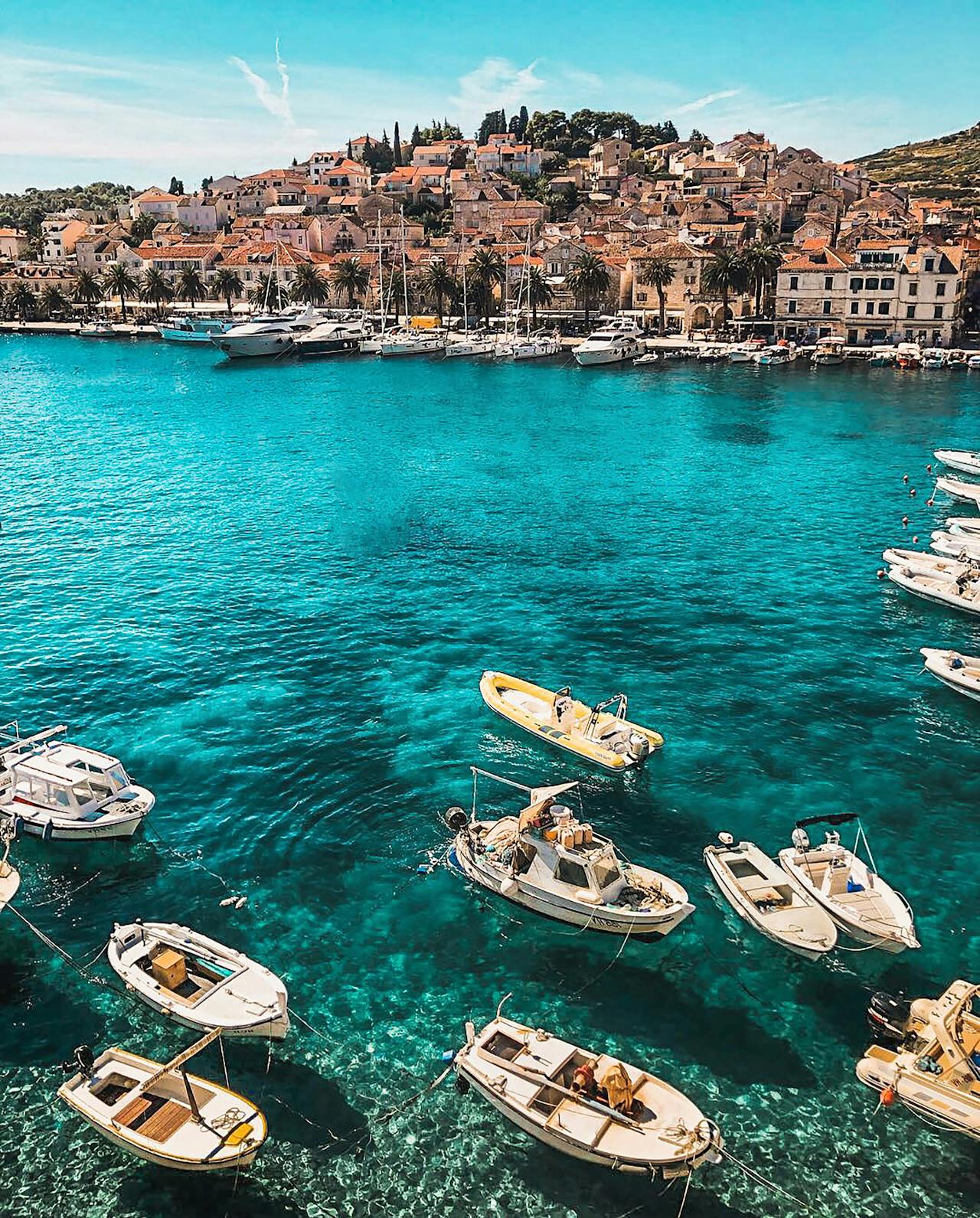
We would pick one Croatian island for beaches, an old harbour town and good wine without the theme-park feel, and it is Hvar. This long, thin island sits in central Dalmatia between Split and Dubrovnik, the sunniest in Croatia, ringed by clear pebble coves and covered inland with lavender and vines. It gets called the European island you have never heard of, which is a stretch now, but it still beats the busier Greek islands for water and value. Here is our straight guide to Hvar, the beaches, the towns and when to come, checked in September 2026.
Where is Hvar, and how do you reach it?
Hvar Croatia sits in the Adriatic off the Dalmatian coast, and the easy way in is by boat from Split. Fast passenger catamarans run the Split to Hvar route in about an hour, up to around 20 times a day in summer, for roughly 10 to 25 euros, dropping you right in Hvar Town harbour. Bringing a car, you take the slower car ferry to Stari Grad on the north of the island, about two hours, then a 20-minute drive over to Hvar Town. Most people fly into Split, which has direct UK flights in summer, and many pair the island with a night in Zadar up the coast. Croatia is on the euro now, so there is no kuna to change.
How big is Hvar, and how do you get around?
Hvar island runs roughly 68km end to end yet measures only a few kilometres across, so distances feel bigger than the map suggests on the winding coast road. Local buses link Hvar Town, Stari Grad and Jelsa a few times a day and meet most ferries, but they are sparse, so check the last one back before a beach afternoon. Water taxis run from Hvar Town harbour to the Pakleni Islands and the nearer coves all day in season, from about 10 euros return. For the wine coast and the quieter inland villages, a scooter at around 35 euros a day or a small hire car pays off. Taxis exist but are pricey, and the old-town cores are walkable and mostly car-free.
The best beaches on Hvar
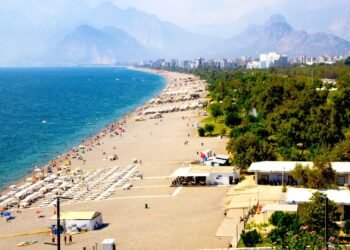
Hvar beaches are pebble and stone, not sand, but the water makes up for it, with no big rivers to cloud it and visibility often past 20 metres. The prettiest is Dubovica, a curved pebble bay about 8km east of Hvar Town with an old stone manor behind it and a small konoba for lunch. In town, Bonj les Bains is the 1920s beach club with white-stone colonnades and hired cabanas, and Pokonji Dol is the walkable family beach a little further east with a couple of beach bars. The real magic is offshore, on the Pakleni Islands, a scatter of car-free islets a short water-taxi from the harbour, with coves like Palmizana, Mlini and Ždrilca. On foot you can reach quieter spots like Mekicevica and Robinson Bay, and further round the coast, Lucisca. Bring water shoes for the pebbles and a mask, as the snorkelling is some of the clearest in the Adriatic.
| Beach | How to reach it | Good for |
| Dubovica | 8km east, steps down from the road | Pebble bay, old manor, snorkelling |
| Bonj les Bains | Walk west from Hvar Town | 1927 beach club, cabanas |
| Pokonji Dol | 25-minute walk east of town | Family beach, beach bars |
| Pakleni Islands | Water taxi ~10 euros return from the harbour | Turquoise car-free coves |
| Mekicevica / Robinson | 20-minute coastal hike or taxi-boat | Quiet, clear water |
Hvar Town and the fortress
Hvar Town is the main base, built around a marble main square, St Stephen’s, that opens onto the harbour, with a 16th-century cathedral at one end and yacht masts at the other. Climb the path up to the Fortica, the Spanish Fortress above the roofs, for the widest view anywhere here, over the terracotta tiles toward the Pakleni Islands, and time it for sunset. Entry is a few euros. Below, the stone lanes are full of bars, and the town has a real party side in July and August, with places like Carpe Diem and the Hula Hula beach bar drawing a yacht crowd. Out of high summer it is far calmer, and the old arsenal and the small theatre, one of the oldest municipal theatres in Europe, are worth a look on a hot afternoon.
Stari Grad, Jelsa and the UNESCO plain
The rest of the island is quieter and older. Stari Grad, the ferry port on the north coast, is one of the oldest towns in Europe, founded by the Greeks in the 4th century BC, with a sleepy stone core around a bay and the old Tvrdalj castle of the poet Petar Hektorovic. Behind it lies the Stari Grad Plain, a UNESCO World Heritage site where those same Greek settlers laid out a grid of stone-walled fields, and farmers still grow olives and Plavac Mali grapes in the exact plots today. Jelsa, further east, is the low-key family town with a pretty square and a couple of good bakeries. Inland, the hills turn purple with lavender in June, the island’s other crop, sold as oil and soap at every market.
The wine coast and what to eat
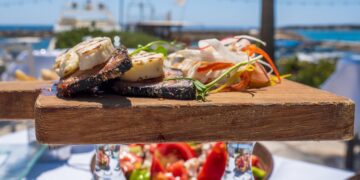
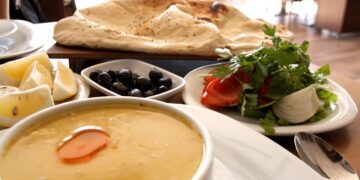
The steep southern coast around Sveta Nedjelja grows Plavac Mali, the red grape behind some of Croatia’s best-known wines, and cellars like Zlatan Otok and the Tomic winery near Jelsa run tastings. On the plate, expect Dalmatian island cooking rather than anything fancy. Look for gregada, a fisherman’s stew of white fish, potatoes and wine; peka, meat or octopus baked slowly under a bell of coals, which you usually order a day ahead; fresh grilled fish sold by the kilo; and paska, salty sheep cheese. A konoba dinner for two with a bottle lands around 25 to 40 euros a head. Reserve a table in Hvar Town over the peak weeks, since the good ones fill fast.
What can you do on Hvar?
Beyond swimming, the things to do in Hvar are low-key and outdoorsy. Take the boat day to the Pakleni Islands and hop between coves. Walk or drive up to the Fortica for the view. Taste Plavac Mali on the southern wine coast. Kayak or dive the clear water, cycle or walk the Stari Grad Plain among the old walls, and in late June catch the lavender fields and the small Lavender Festival near Velo Grablje, the half-abandoned stone village above the coast. Around Easter, six villages hold the Za Krizen procession, an all-night walk that UNESCO lists as living heritage. It is an island for slow days more than a checklist.
How long should you stay, and where should you sleep?
Two to three days covers Hvar Town, a Pakleni boat day and a beach or two. Add a day or two for Stari Grad, the wine coast and the lavender if you are slowing down. Pick the town to match the trip. Hvar Town is the liveliest, best for nightlife, beach clubs and the harbour scene, and the priciest. Stari Grad is quiet and handy for the car ferry, a calmer and cheaper base. Jelsa suits families who want a low-key bay. For a splurge, the design-led Maslina Resort sits outside Stari Grad. A decent double in season sits around 90 to 150 euros, more in Hvar Town in August, so lock in the peak weeks early.
When should you go to Hvar?
The best time to visit Hvar falls either side of the peak, from May into June and again through September, when the sea holds its warmth, prices ease and the town breathes. July and August are hot, busy and at their priciest, and the nightlife peaks then, which is the point for some and the problem for others. June is the month for the lavender. From November the island winds down, ferries thin out and many places close, so it suits a quiet off-season trip at best.
Come by catamaran, base yourself in one town and give a full day to the Pakleni Islands. The official Croatia tourism board keeps ferry and event dates current, and this corner of Europe still costs less than the headline islands. Zivjeli.
FAQs
It is worth it, for the mix of clear water, an old harbour town and wine and lavender inland. It is one of the finest Croatian islands if you want more than a beach, though committed party-goers and total-seclusion seekers each have better-suited islands. Go in the shoulder season and it is hard to fault.
For water clarity and short ferry hops from a UK-linked airport, Hvar wins, and it is often cheaper than Santorini or Mykonos. The Greek islands beat it on sandy beaches and ancient ruins. We rate Hvar for a first Adriatic trip and would not swap it out lightly.
Not if you stay in Hvar Town and use buses, water taxis and boats. A scooter or hire car, around 35 euros a day, helps for the southern wine coast, the quieter beaches and the inland villages, which the buses reach slowly.
You can, and many people take the morning catamaran and the evening one back, but a day gives you only the town, the fortress and a quick swim. To reach the Pakleni Islands or Stari Grad without rushing, stay at least one night.