









Sofia is not a polished showpiece capital, and that is part of its appeal. It is practical, affordable, easy to move around and close enough to the mountains that you can see a very different side of Bulgaria without leaving the city for long.
The best Sofia trips are not built around a huge sightseeing list. They work better when you use the city as a manageable base: churches and Roman ruins in the centre, Bulgarian food at lunch, museums or parks in the afternoon, then one strong day trip if you have time.
This Sofia travel guide answers the questions that matter before booking: is Sofia worth visiting, how many days do you need, where should you stay, what should you see first, and which day trips are actually worth the effort?
Is Sofia worth visiting?
Yes, Sofia is worth visiting if you want a European capital that is affordable, easy to navigate and different from the usual city-break choices.
It suits:
- first-time Bulgaria trips
- budget-friendly city breaks
- long weekends
- travellers who like history without huge crowds
- food-focused short trips
- trips that mix city and mountain time
- people using Sofia as the start of a wider Bulgaria route
Sofia is less suited to travellers who want a perfectly polished old town, luxury shopping or a capital packed with headline attractions on every corner. It is a city that makes more sense once you walk it slowly and connect the layers: Roman, Ottoman, Orthodox, Soviet and modern.
What is Sofia known for?
Sofia is known for St. Alexander Nevsky Cathedral, Roman Serdica ruins, Vitosha Mountain, Orthodox churches, low travel costs and its role as Bulgaria’s capital.
What makes the city useful for visitors is the mix. You can see major churches, Roman remains, museums, parks and mountain views in the same short break.
Sofia is also one of the better places to understand Bulgaria before continuing to Plovdiv, Rila, the Black Sea coast or smaller mountain towns.
How many days do you need in Sofia?
Three days is enough for a first Sofia trip. Four days is better if you want one proper day trip without rushing the city.
| Time in Sofia | What it suits |
|---|---|
| 1 day | Main cathedral, central ruins and a short city walk |
| 2 days | Core sights, food stops, museums and parks |
| 3 days | Full city break with Vitosha or Boyana added |
| 4 days | Sofia plus Rila Monastery, Plovdiv or Seven Rila Lakes |
| 5+ days | Slower base for wider Bulgaria travel |
If you only have a weekend, stay central and keep the plan compact. If you have four days, Sofia becomes much more useful because you can add a mountain or monastery day without sacrificing the city itself.
Where should you stay in Sofia?
For most first-time visitors, the best area to stay is the centre around Serdika, Vitosha Boulevard or the National Palace of Culture. You will be close to sights, food, metro stations and evening walks.
| Area | Best for | What to know |
| Serdika and central Sofia | First-time visits | Best balance of sights and transport |
| Vitosha Boulevard area | Restaurants, cafés, easy walking | Livelier and convenient |
| Oborishte and Doctor’s Garden | Quieter stays | Leafier, calmer and still central enough |
| NDK area | Events, transport, practical hotels | Good middle-ground base |
| Sofia University area | Budget and culture | Lively, central and good for transport |
| Lozenets | Longer stays | Residential, calmer, metro access |
Stay central if your trip is short. Choose Oborishte if you want quieter evenings. Choose Lozenets only if you are comfortable using the metro or staying slightly outside the tourist core.
How do you get from Sofia Airport to the centre?
The metro is usually the easiest budget option from Sofia Airport. The airport metro station is at Terminal 2, and the line connects with the wider city network.
If you arrive at Terminal 1, use the airport shuttle between terminals before taking the metro, or take a taxi if that is easier with luggage.
Good airport options include:
| Option | Best for |
| Metro | Most travellers, low-cost city access |
| Taxi | Late arrivals, luggage, direct hotel drop-off |
| Ride-hailing app | Simple fare visibility |
| Private transfer | Families or late-night arrivals |
| Car hire | Wider Bulgaria road trip, not city-only stays |
Do not hire a car only for Sofia. Public transport and walking are enough for the city.
How do you get around Sofia?
Sofia is easy to explore without a car. The centre is walkable, and public transport fills the gaps.
Metro
Use the metro for the airport, longer journeys and areas away from the centre. It is usually the fastest and simplest option.
Trams and buses
Trams and buses are useful for shorter trips and areas not covered directly by the metro. They help if you stay outside the immediate centre.
Taxis and ride-hailing
Taxis are good value compared with many European capitals, but use official taxis or trusted apps. They are useful late at night or when public transport would take too long.
Walking
Many of Sofia’s main sights sit close enough to walk between. Comfortable shoes matter because pavements can be uneven.
Do you need a car in Sofia?
No. You do not need a car in Sofia itself.
A car can be useful if you are planning a wider Bulgaria route, especially for mountains, villages, smaller towns and the Black Sea coast. If you drive outside the city on paid roads, check the current e-vignette rules before setting off.
Use a car for:
- rural mountain routes
- smaller towns
- road trips beyond Sofia
- harder-to-reach monasteries or villages
- Bulgaria coast routes
Avoid a car for:
- central Sofia sightseeing
- short city breaks
- airport-to-centre travel only
- hotel stays without parking
If you are planning more than the capital, our Bulgaria travel guide is the better place to shape the wider route.
What are the best things to do in Sofia?
Sofia works best when you combine a few central sights with food, parks and one outer stop such as Boyana or Vitosha.
St. Alexander Nevsky Cathedral
St. Alexander Nevsky Cathedral is Sofia’s main landmark. It is large, central and easy to include early in the trip.
The cathedral works best as a starting point because several other sights are nearby. You can walk from here towards St. Sofia Church, the National Gallery, the Russian Church and the central ruins.
Roman Serdica ruins
The Roman Serdica ruins show how old Sofia is beneath the modern city. They are central, easy to visit and useful for understanding the city’s layers.
They do not take long, but they add context. Sofia is not just a modern capital with a few churches. It has Roman history built into the centre.
St. Sofia Church
St. Sofia Church is one of the city’s most important religious sites and gives its name to the capital. It is close to Alexander Nevsky Cathedral, so the two are easy to pair.
If you enjoy historic churches and archaeology, give this area more than a quick photo stop.
Vitosha Boulevard
Vitosha Boulevard is not Sofia’s most historic street, but it is useful. It is where many visitors go for cafés, restaurants, shops and an easy first walk.
Use it for orientation rather than treating it as the main reason to visit Sofia.
National Palace of Culture and park
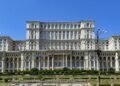
The National Palace of Culture, often called NDK, is useful for open space, events, transport links and a more modern view of the city.
The surrounding park is good when you want a break between churches and museums.
Boyana Church
Boyana Church is one of the most important sights near Sofia. It sits at the foot of Vitosha Mountain and is listed by UNESCO because of its medieval frescoes.
It is a small site, so it works best when paired with the National Museum of History or a light Vitosha outing.
If UNESCO-listed places are part of your travel planning, our UNESCO section is worth browsing alongside Bulgaria.
National Museum of History
The National Museum of History is outside the tight centre, but it is useful if you want more context on Bulgaria beyond Sofia’s central sights.
It pairs naturally with Boyana Church because they sit in the same general direction.
Vitosha Mountain
Vitosha is one of Sofia’s biggest advantages. Few European capitals have mountain access this close.
You do not need to plan a hard hike to enjoy it. Even a short outing towards the lower slopes changes the mood of the trip.
If you are planning proper walking in Bulgaria, our hikes articles are more useful than trying to turn a city guide into a hiking guide.
What should you do in Sofia if you only have one day?
If you only have one day, stay in the centre. Focus on the sights that are close together rather than crossing the city.
A good one-day shape is:
- St. Alexander Nevsky Cathedral
- St. Sofia Church
- Roman Serdica ruins
- central mineral water area
- Vitosha Boulevard
- one Bulgarian meal
- National Palace of Culture if time allows
Do not force Rila Monastery, Seven Rila Lakes or Plovdiv into a one-day Sofia visit. Those are separate day trips.
Which Sofia day trips are worth it?
Sofia has several possible day trips, but not all are worth the time on a short stay.
Rila Monastery
Rila Monastery is the strongest first day trip for most visitors. It is visually memorable, culturally important and gives you a very different view of Bulgaria from the capital.
It works best as a guided trip or with a car. Public transport is possible but less convenient.
Plovdiv
Plovdiv is the best city day trip from Sofia. It has Roman remains, an old town, restaurants and a different atmosphere from the capital.
Choose Plovdiv if you want another city rather than mountains.
Seven Rila Lakes
Seven Rila Lakes is better for scenery and walking than culture. It can be excellent, but it is weather-dependent and needs more planning.
Start early, check conditions and take layers. This is not the best choice if you want an easy, low-effort day.
Vitosha Mountain
Vitosha is the easiest nature escape because it is so close. Choose it if you want mountain air without spending most of the day in transit.
For a fuller mountain-focused read, our Seven Rila Lakes article gives more context before choosing a Rila trip.
Is Sofia expensive?
Sofia is still good value compared with many European capitals, though Bulgaria’s move to the euro in 2026 means travellers should check current prices rather than relying on older lev-based guides.
| Budget style | Daily estimate per person | What it usually covers |
| Budget | €45 to €70 | Simple room, public transport, casual meals |
| Mid-range | €75 to €130 | Comfortable hotel, mixed dining, museums, occasional taxi |
| Higher-end | €150+ | Better hotel, more taxis, guided trips, stronger dining |
The easiest ways to keep costs down are to stay central, walk more, use the metro and eat some meals in casual Bulgarian restaurants.
What should you eat in Sofia?
Sofia is a good place to try Bulgarian food because you can find both simple everyday dishes and more polished restaurant versions.
Try:
- banitsa
- shopska salad
- kebapche
- kyufte
- tarator in warmer months
- kavarma
- grilled meats
- Bulgarian yoghurt
- krem karamel
- local wine
- rakia if you drink alcohol
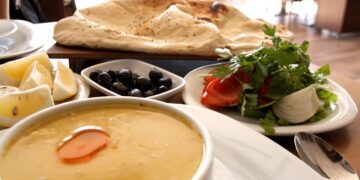
Breakfast is a good time to try banitsa. For lunch or dinner, look for Bulgarian restaurants away from the most obvious tourist corners.
At VayCay Couple, we think Sofia is one of those cities where the food makes the trip feel more grounded. One good banitsa, one long Bulgarian lunch and one neighbourhood dinner can tell you more than a rushed list of sights.
If food is part of your planning, our Bulgarian food guide to banitsa and shopska salad is a useful next read.
Where should you eat in Sofia?
For a first visit, choose a mix of central convenience and quieter neighbourhood restaurants.
Good food areas include:
- around Vitosha Boulevard for easy first-night meals
- Oborishte for calmer restaurants
- Sofia University area for casual food
- Lozenets for local-feeling dinners
- central bakeries for banitsa and breakfast
If you are looking specifically for sit-down meals, the site’s restaurants section can help with wider travel food planning.
Is Sofia good for museums?
Yes, Sofia is good for museums if you want to understand Bulgaria rather than only photograph landmarks.
Useful museum choices include:
- National Museum of History
- National Archaeological Museum
- National Gallery
- Museum of Socialist Art
- Sofia History Museum
- Earth and Man National Museum
Choose one or two. Sofia works better when museums add context, not when they fill every hour.
For more museum-led trip ideas elsewhere, our museums section may be useful when comparing city breaks.
Is Sofia safe?
Sofia is generally straightforward for visitors, but use normal city awareness.
Practical safety tips:
- keep your bag closed on public transport
- use licensed taxis or known apps
- watch for icy pavements in winter
- stay aware around busy transport areas
- check mountain conditions before Vitosha or Rila
- keep small cash and cards separate
- use travel insurance
For current pre-trip updates, check UK travel advice for Bulgaria before departure.
When is the best time to visit Sofia?
May, June and September are usually the best months for Sofia. The weather is mild, walking is easier and day trips are more comfortable.
| Season | Best for | What to expect |
| Spring | Parks, city walks, day trips | Mild weather, some rain |
| Summer | Long days, cafés, mountain access | Hot afternoons |
| Autumn | Sightseeing, food, calmer pacing | Good weather early, cooler later |
| Winter | Museums, festive lights, mountain views | Cold weather, possible snow |
December can work well if you want winter atmosphere, but bring proper shoes and warm layers.
Can Sofia be part of a wider Bulgaria trip?
Yes. Sofia often works best as the first part of a longer Bulgaria trip.
Good routes from Sofia include:
- Sofia and Rila Monastery
- Sofia and Plovdiv
- Sofia and Seven Rila Lakes
- Sofia, Plovdiv and the Black Sea coast
- Sofia, Veliko Tarnovo and Varna
- Sofia, mountains and beaches in one longer trip
For the coast, our Sunny Beach travel guide and Balchik travel guide are more relevant than trying to plan beach time from Sofia itself.
If you are comparing several destinations in the Balkans or wider Europe, Sofia is best seen as a practical, affordable capital with mountain access rather than a polished postcard city.
Common Sofia travel mistakes
Avoid these if you want a smoother trip:
- staying too far from metro access
- trying to visit Rila Monastery and Plovdiv in the same short stay
- ignoring Vitosha Mountain
- expecting Sofia to look like Prague or Vienna
- using a car for city sightseeing
- relying on old lev-based price guides after euro adoption
- skipping Bulgarian food
- treating Boyana Church as just another church
- not checking weather before mountain trips
- spending only one rushed day before leaving Bulgaria
Sofia is better when you let it be Sofia: practical, layered and easy to use as a base.ase, a few major sights, time for food, and one well-chosen day trip rather than an overloaded list.
FAQs
Sofia is best known for St. Alexander Nevsky Cathedral, Roman Serdica ruins, Vitosha Mountain, Boyana Church and its mix of Roman, Ottoman, Orthodox and modern history.
Sofia is still affordable by European capital standards, although Bulgaria now uses the euro. Budget travellers can keep costs low with public transport, casual meals and central walking routes.
For a first visit, stay around Serdika, Vitosha Boulevard or NDK. Choose Oborishte for quieter streets and Lozenets for longer stays.
Yes. Sofia is easy without a car. Use the metro, trams, buses, taxis and walking. Hire a car only for wider Bulgaria routes.
Rila Monastery is the best first day trip for most visitors. Choose Plovdiv if you want another city, and Seven Rila Lakes if you want mountain scenery.
Tap water is generally safe in Sofia. A refillable bottle is useful, especially in warmer months.
Yes for motorways. Buy the e-vignette before you go.