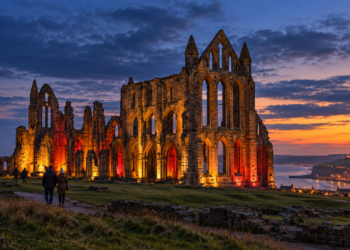










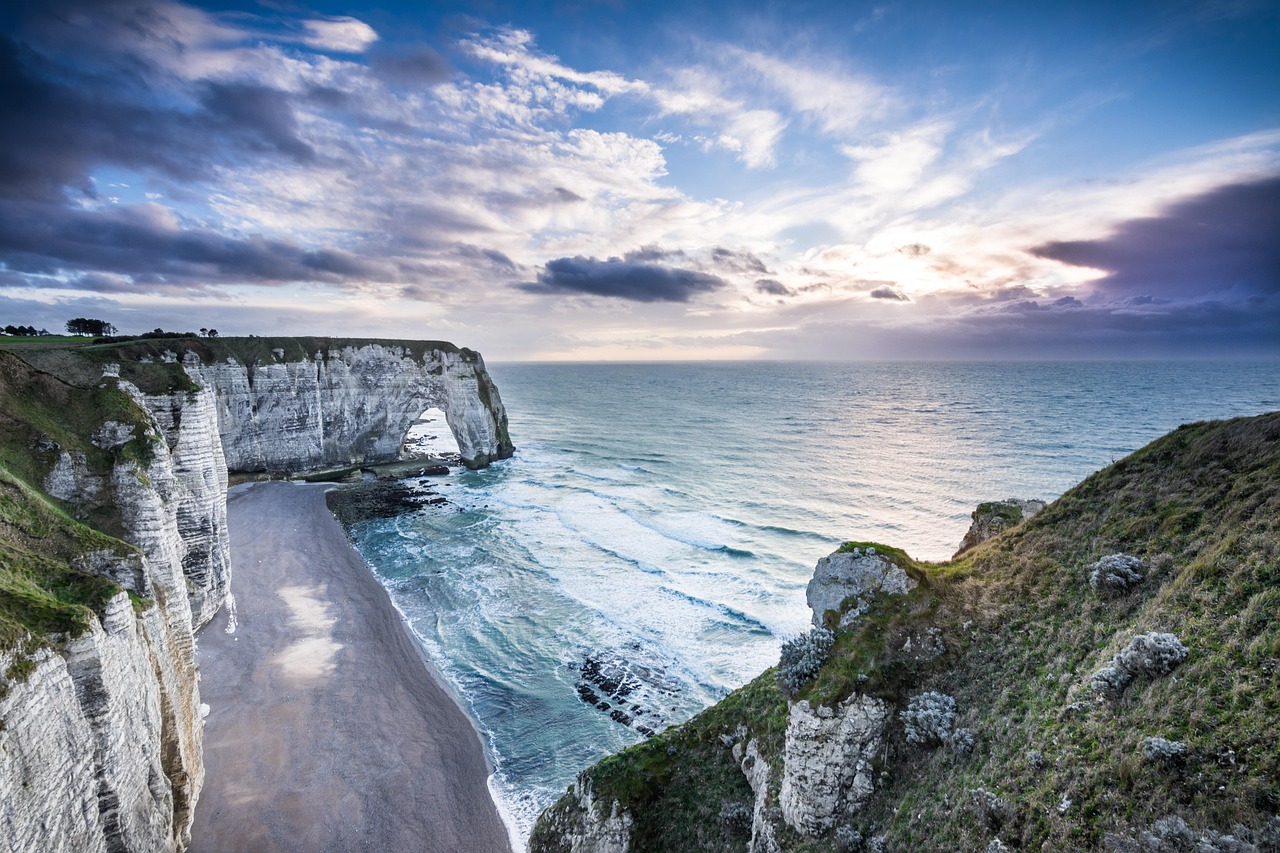
France is not a one-style destination. Paris, Provence, Normandy, the Loire Valley, Bordeaux, Alsace, Corsica and the French Alps all offer a different kind of trip.
That is what makes France easy to love and hard to plan. A long weekend in Paris feels nothing like a road trip through lavender fields, a wine break in Bordeaux or a summer stay on the Riviera.
At VayCay Couple, we think the best France trips start with one simple question: what kind of holiday do you actually want? Food, history, beaches, mountains, wine, art, cities and countryside all work here, but not always in the same route.
This guide covers the most popular destinations in France, what each place is best for, when to go and how to choose the right route.
What are the best places to visit in France?
The best places to visit in France include Paris, Provence, the French Riviera, Normandy, the Loire Valley, Mont Saint-Michel, Versailles, Alsace, Bordeaux, the French Alps, Corsica and Dordogne.
| Destination | Best for | Good trip length |
|---|---|---|
| Paris | First trip, art, food, landmarks | 3 to 5 days |
| Versailles | Palace and gardens | Day trip from Paris |
| Normandy | History, coast, food | 3 to 5 days |
| Mont Saint-Michel | Abbey, tides, photography | 1 to 2 days |
| Loire Valley | Castles and wine | 3 to 5 days |
| Provence | Villages, markets, lavender | 4 to 7 days |
| French Riviera | Beaches, towns, coastal rail | 4 to 7 days |
| Bordeaux | Wine, food, riverside city | 2 to 4 days |
| Alsace | Half-timbered towns and wine | 3 to 5 days |
| French Alps | Skiing, hiking, mountain towns | 3 to 7 days |
| Corsica | Beaches, mountains, road trips | 7 to 10 days |
| Dordogne | Villages, castles, food, caves | 4 to 7 days |
If it is your first time in France, start with Paris, then add one region that fits your season and pace.
When is the best time to visit France?
France works all year, but the best time depends on the region.
| Season | Best places | What to expect |
|---|---|---|
| March to May | Paris, Loire Valley, Provence, Alsace | Spring flowers, mild days, fewer crowds |
| June to August | Riviera, Corsica, Alps, Normandy coast | Warm weather, higher prices, busy coast |
| September to October | Bordeaux, Provence, Dordogne, Alsace | Wine harvest, good weather, calmer towns |
| November to February | Paris, Alps, Christmas markets | Skiing, museums, winter food, shorter days |
For balanced weather and fewer crowds, May, June, September and early October are often the best months.
Paris for first-time visitors
Paris is the obvious starting point for many France trips. It has the Eiffel Tower, the Louvre, Notre-Dame, Montmartre, the Seine, cafés, galleries, parks and some of the best food in Europe.
It can also feel busy and expensive if you arrive without a plan. Focus on areas rather than rushing between landmarks.
Good first-time Paris stops include:
- Eiffel Tower
- Louvre Museum
- Musée d’Orsay
- Notre-Dame and Île de la Cité
- Montmartre
- Latin Quarter
- Luxembourg Gardens
- Le Marais
- Seine river walk
Use the official Eiffel Tower and Louvre websites before booking tickets, as opening times and entry rules can change.
If Paris is your first stop, our Paris travel guide can help you plan the city in a calmer way.
How many days do you need in Paris?
Three days is enough for a first visit. Five days is better if you want museums, neighbourhood walks and a day trip to Versailles.
| Time in Paris | Best plan |
|---|---|
| 1 day | Eiffel Tower, Seine walk, Louvre area |
| 2 days | Add Montmartre and Notre-Dame area |
| 3 days | Add Musée d’Orsay, Le Marais and proper food stops |
| 4 to 5 days | Add Versailles or another day trip |
Do not try to visit every museum in one short trip. Pick one or two and leave time for walking.
Versailles for a simple day trip from Paris
Versailles is one of the easiest major day trips from Paris. The palace, Hall of Mirrors, gardens and estate give a clear sense of royal France before the Revolution.
It is popular, so book ahead where possible and arrive early. The gardens are large, and the visit takes longer than many people expect.
Versailles works best if you have at least three full days in Paris. If you only have one or two days, stay in the city.
Normandy for history, coast and food
Normandy is one of the best regions in France for history and landscape. It has D-Day beaches, coastal towns, apple orchards, dairy farms, abbeys, cliffs and strong local food.
Popular Normandy stops include:
- D-Day landing beaches
- Bayeux
- Honfleur
- Rouen
- Étretat
- Caen
- Deauville
- Mont Saint-Michel
Normandy is not only about war history. It is also good for seafood, cider, cheese, quiet villages and coastal drives.
Mont Saint-Michel for one of France’s most famous views
Mont Saint-Michel is one of the most recognisable places in France. The abbey rises from a tidal bay between Normandy and Brittany, with narrow streets climbing towards the top.
The abbey and bay are listed by UNESCO, and the setting changes with the tide. Check tide times and current access advice before visiting.
Use the official Mont Saint-Michel Abbey site for tickets and visitor information.
Should you stay overnight at Mont Saint-Michel?
Yes, if you want a quieter visit. Daytime can be crowded, especially in summer. Staying nearby lets you see the island early or late, when it feels calmer.
A day trip is possible, but it can be long from Paris. It works better as part of a Normandy or Brittany route.
Loire Valley for castles and wine
The Loire Valley is one of the best places in France for châteaux, gardens, riverside towns and wine. It is a good choice if you want history without staying in a big city.
Top Loire Valley stops include:
- Château de Chambord
- Château de Chenonceau
- Amboise
- Tours
- Saumur
- Chinon
- Blois
The Loire is easier with a car, but some towns can be reached by train. Cycling is also popular, especially on flatter river routes.
How long do you need in the Loire Valley?
Three days is enough for two or three castles and one town. Five days lets you slow down, add wine tasting and avoid too many one-night stays.
Provence for villages, markets and lavender
Provence is one of the most popular regions in southern France. It is known for old villages, food markets, vineyards, Roman sites, olive groves and lavender fields in early summer.
Good Provence bases include:
- Avignon
- Aix-en-Provence
- Arles
- Saint-Rémy-de-Provence
- Gordes
- L’Isle-sur-la-Sorgue
Provence works best with a car if you want villages and countryside. Trains can connect the larger towns, but the smaller places are harder without your own transport.
When can you see lavender in Provence?
Lavender usually blooms from late June into July, depending on altitude and weather. Do not plan only around lavender unless you are travelling in that window.
Outside lavender season, Provence is still worth visiting for markets, food, vineyards, Roman sites and hilltop villages.
French Riviera for coast, cities and easy rail travel
The French Riviera, or Côte d’Azur, is the best-known coastal region in France. It includes Nice, Cannes, Antibes, Menton, Monaco and smaller seaside towns.
It is often seen as expensive, but you can travel more simply by using trains, staying in Nice and taking day trips along the coast.
Good Riviera stops include:
- Nice
- Villefranche-sur-Mer
- Antibes
- Cannes
- Èze
- Menton
- Saint-Paul-de-Vence
- Monaco
The Riviera is best from May to June or September. July and August are busy and expensive, especially near the coast.
Bordeaux for wine and city breaks
Bordeaux is one of the best French cities for wine, food and riverside walks. It has grand architecture, easy tram travel, good restaurants and access to some of the world’s most famous wine areas.
Good things to do in Bordeaux include:
- walk along the Garonne
- visit La Cité du Vin
- explore the old centre
- take a wine trip to Saint-Émilion
- eat in local bistros
- visit markets and bakeries
Bordeaux works well for a two or three-night trip. Add Saint-Émilion or Arcachon if you have more time.
Alsace for colourful towns and wine routes
Alsace sits in eastern France near Germany. It is known for half-timbered houses, wine villages, Christmas markets, Riesling and towns that feel different from the rest of France.
Popular Alsace stops include:
- Strasbourg
- Colmar
- Riquewihr
- Eguisheim
- Kaysersberg
- Ribeauvillé
Alsace is strong in both summer and winter. December is busy because of Christmas markets, so book early.
A car helps for the wine villages, but Strasbourg and Colmar are easy by train.
French Alps for skiing, hiking and mountain towns
The French Alps are best for outdoor trips. In winter, they are a major ski region. In summer, they work well for hiking, lakes, cable cars and mountain villages.
Popular Alps destinations include:
- Chamonix
- Annecy
- Grenoble
- Megève
- Morzine
- Val d’Isère
- Les Deux Alpes
Chamonix is one of the best-known bases for mountain views. Annecy is better if you want a lake, old town and softer alpine feel.
The Alps are not only for expert hikers or skiers. Many areas have easy walks, lifts and scenic viewpoints.
Corsica for beaches and mountain roads
Corsica is part of France but feels distinct. It has clear water, mountain roads, old towns, beaches, hiking trails and a strong island identity.
Good Corsica stops include:
- Ajaccio
- Bastia
- Bonifacio
- Calvi
- Porto-Vecchio
- Corte
- Scandola area
- Palombaggia Beach
Corsica is best with at least a week. Roads can be slow, and short distances may take longer than expected.
It is a good choice if you want beaches and nature but do not want a standard resort holiday.
Dordogne for villages, castles and food
Dordogne is one of the best regions in France for slow travel. It has medieval villages, river valleys, castles, caves, markets and rich local food.
Good Dordogne stops include:
- Sarlat-la-Canéda
- Beynac
- La Roque-Gageac
- Domme
- Castelnaud-la-Chapelle
- Lascaux area
- Dordogne river routes
Dordogne is best with a car and a slower pace. It suits people who like food markets, small towns, history and countryside more than big-ticket attractions.
Which French destination is best for your trip?
| Travel style | Best destination |
|---|---|
| First France trip | Paris |
| Romantic city break | Paris or Bordeaux |
| Food and wine | Bordeaux, Alsace, Burgundy, Loire Valley |
| Beaches | French Riviera or Corsica |
| History | Normandy, Paris, Loire Valley |
| Castles | Loire Valley |
| Villages | Provence, Alsace, Dordogne |
| Mountains | French Alps |
| Art and museums | Paris, Provence, Nice |
| Road trip | Provence, Dordogne, Corsica, Normandy |
| Train-friendly trip | Paris, Lyon, Bordeaux, Nice, Strasbourg |
If you are still comparing countries, our Europe travel section can help you build a wider route around France.
A simple 7-day France itinerary for first-time visitors
This route works well if you want Paris plus one extra region.
| Day | Plan |
|---|---|
| Day 1 | Arrive in Paris, walk the Seine |
| Day 2 | Eiffel Tower, Louvre area and central Paris |
| Day 3 | Montmartre, Le Marais or Musée d’Orsay |
| Day 4 | Day trip to Versailles or train to Normandy |
| Day 5 | Normandy coast, Bayeux or Rouen |
| Day 6 | Mont Saint-Michel or more Normandy |
| Day 7 | Return to Paris for departure |
This is a busy route but manageable. For a calmer first trip, stay in Paris longer and add only Versailles.
A 10-day France itinerary with more variety
Ten days gives you a better mix of city, countryside and food.
| Day | Plan |
|---|---|
| Day 1 | Arrive in Paris |
| Day 2 | Main Paris sights |
| Day 3 | Paris neighbourhoods and food |
| Day 4 | Versailles or Loire Valley transfer |
| Day 5 | Loire Valley castles |
| Day 6 | Loire Valley wine town or countryside |
| Day 7 | Train to Bordeaux or Provence |
| Day 8 | Bordeaux wine trip or Provence village day |
| Day 9 | Slow regional day |
| Day 10 | Return to Paris or fly home from a regional airport |
Do not try to add every famous region in 10 days. France is easier when you move less and see more properly.
Can you travel around France by train?
Yes, France is one of the easier European countries to explore by train. Paris links well with cities such as Lyon, Bordeaux, Strasbourg, Marseille, Nice and Avignon.
Train travel works best for:
- Paris
- Lyon
- Bordeaux
- Strasbourg
- Avignon
- Marseille
- Nice
- Lille
A car is more useful for:
- Provence villages
- Dordogne
- Loire Valley castles
- Normandy countryside
- Corsica
- remote Alps areas
A good plan is to use trains between cities, then hire a car only for the regions where it helps.
What is the best France trip for couples?
France is strong for couples because it has city breaks, wine regions, coast, villages and scenic hotels.
Good couple-friendly choices include:
- Paris for a first trip
- Provence for markets and villages
- Bordeaux for wine and restaurants
- French Riviera for coast and old towns
- Alsace for winter markets
- Corsica for beaches and road trips
- Loire Valley for castles and countryside
If you want a simple first couples’ route, choose Paris plus either the Loire Valley, Normandy or Provence.
What should you book ahead in France?
Book ahead for major attractions and busy travel dates.
Useful things to book early include:
- Eiffel Tower tickets
- Louvre tickets
- Versailles tickets
- summer Riviera accommodation
- Corsica ferries or flights
- high-speed trains
- popular wine tours
- Christmas market hotels in Alsace
- ski accommodation in the Alps
Restaurants in Paris, Bordeaux and the Riviera may also need booking, especially at weekends.
France is easier to plan when you stop trying to see everything.
For a first trip, start with Paris and add one region. Choose Normandy for history, the Loire Valley for castles, Provence for villages, Bordeaux for wine, the Riviera for coast, Alsace for pretty towns or the Alps for mountains.
FAQs
Paris is the most popular destination in France for first-time visitors. It has the Eiffel Tower, Louvre, Notre-Dame, Montmartre, the Seine and some of the country’s best museums and restaurants.
Good choices after Paris include Versailles, Normandy, the Loire Valley, Bordeaux, Provence or the French Riviera. The best option depends on your trip length and season.
There is no single answer. Provence is known for villages and summer colour, Alsace for half-timbered towns, the Loire Valley for castles, and Corsica for beaches and mountains.
Yes, the South of France is worth visiting for Provence, the French Riviera, Marseille, Nice, Avignon, coastal towns, markets and warmer weather.
Yes, you can visit many parts of France without a car, especially Paris, Bordeaux, Lyon, Strasbourg, Nice and Avignon. A car helps more in rural regions.
For a first trip, 7 to 10 days works well. Spend 3 to 5 days in Paris and add one region rather than trying to see the whole country.
May, June, September and early October are often the best months. The weather is usually pleasant, and many places are less crowded than in peak summer.
France can be expensive in Paris, the Riviera, ski resorts and peak summer areas. Smaller towns, markets, trains booked early and simple hotels can keep costs lower.
The French Riviera and Corsica are two of the best beach choices. The Atlantic coast is also strong if you want surf, wider beaches and a less polished feel.
Bordeaux and the Loire Valley are good first wine regions. Bordeaux suits serious wine trips, while the Loire Valley combines wine with castles and riverside towns.