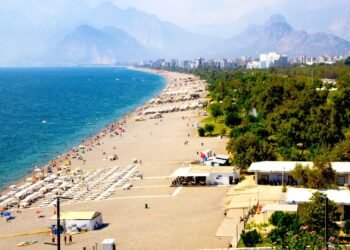







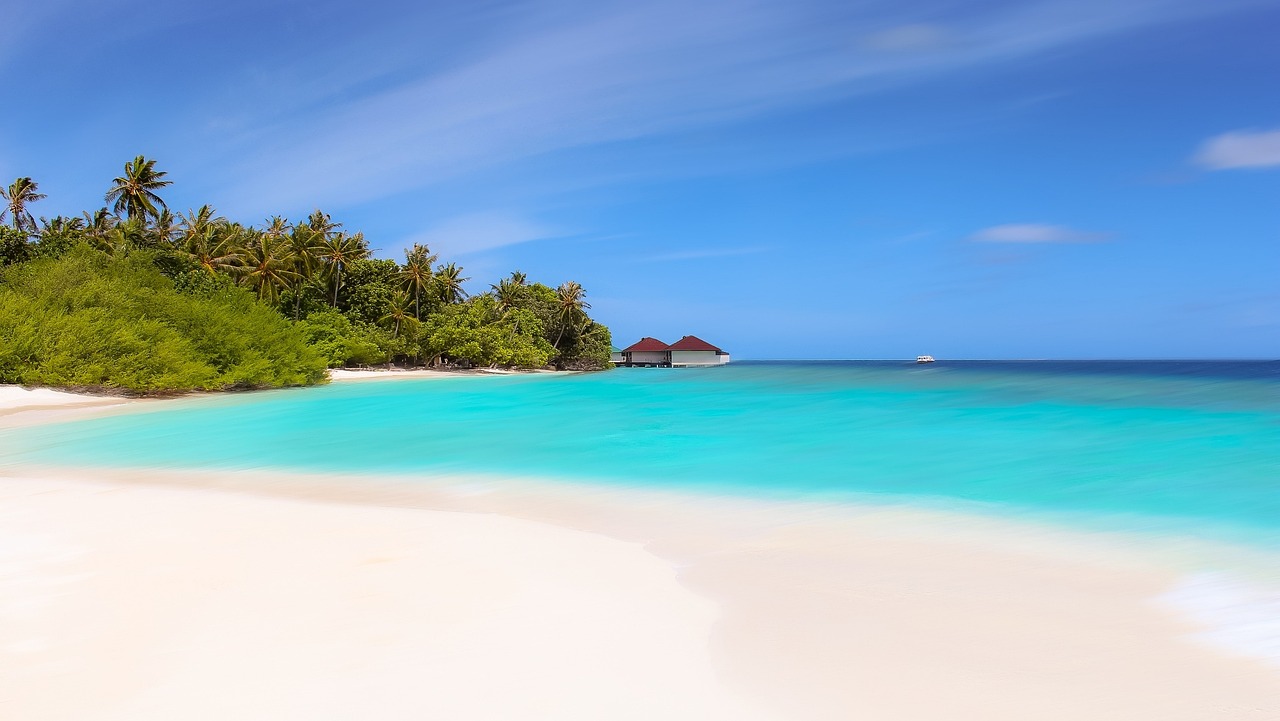
You do not need to fly to the Caribbean for powder-white sand and water clear enough to see your feet, Europe has plenty, once you know which beaches are the real thing and which are pale pebble mislabelled online. These are the best white sand beaches in Europe as VayCay Couple rates them, the genuinely soft, pale, Caribbean-style stretches, with the honest logistics the glossy lists leave out, how to reach each one, what it costs, and where you now have to book ahead. Written and checked in July 2026.
How we picked, and what counts as white sand
Plenty of beaches sell themselves as white sand and turn out to be bleached pebble or coarse grit that burns your feet. The ones below are the real article, fine pale sand and shallow, clear water, and most fly a Blue Flag for cleanliness. Those are the white sand beaches Europe does best, not the grit that photographs well and disappoints in person. A word of warning that runs through the list, the most beautiful of them are now protected, so several charge a fee, cap daily numbers or ban taking sand, and turning up without checking can mean a locked car park or a fine.
The beaches at a glance
| Beach | Where | Sand and sea | Booking or fee |
| La Pelosa | Stintino, Sardinia | Fine white, very shallow | Book online, 3.50 euro |
| Cala Brandinchi | San Teodoro, Sardinia | Powder white, calm | Summer access fee |
| Ses Illetes | Formentera, Spain | Sugar-white, clear | Summer vehicle eco-fee |
| Rabbit Beach | Lampedusa, Italy | White, turtle nesting | Free, access limited |
| Elafonisi | Crete, Greece | Pink-white lagoon | Free, protected |
| San Vito Lo Capo | Sicily, Italy | White crescent | Free, paid sunbeds |
| Santa Giulia | Corsica, France | White lagoon | Free, paid sunbeds |
| Cala Mesquida | Mallorca, Spain | White, wild dunes | Free, often windy |
Sardinia, La Pelosa and Cala Brandinchi
Sardinia has the most convincing Caribbean impressions in the Mediterranean. La Pelosa, near Stintino on the north-west tip, is a shin-deep sheet of turquoise over white sand, and it is so popular it is now rationed, in summer you book your spot online, pay about 3.50 euros, bring a mat because towels straight on the sand are banned, and taking sand home is a fineable offence. Alghero airport is about an hour away. On the north-east coast, Cala Brandinchi is nicknamed Little Tahiti for its powder sand and glassy shallows, backed by pines, with a paid car park and access fee in high summer. Both are among the most beautiful beaches in Europe and both reward an early start.
Formentera, Ses Illetes
Ses Illetes, on the tiny Balearic island of Formentera, is the one that regularly tops the polls for the best beaches in Europe, a spit of sugar-white sand with water in three shades of blue. It sits inside the Ses Salines nature reserve, so it stays unspoilt, and the catch is getting there, a 30-minute ferry across from Ibiza, then a bike, scooter or car, with a summer eco-fee for vehicles. It is the standout white sand beach Spain has in the Balearics, part of Spain’s Balearic Islands, and worth the effort for a day.
Lampedusa, Rabbit Beach
Rabbit Beach, or Spiaggia dei Conigli, on the far-south Italian island of Lampedusa, has topped world’s-best-beach lists more than once, and it is wilder than the rest. You walk in down a path, there are no sunbeds or bars, and the bay is a protected loggerhead-turtle nesting site, so numbers are limited in season and the water is startlingly clear. Lampedusa is closer to Africa than to Sicily, reached by flight or ferry, which keeps the crowds down. Bring everything with you, shade included.
Crete, Elafonisi and Balos
Crete has two of the best sandy beaches in Europe, both lagoons. Elafonisi, in the south-west, is famous for sand tinged pink by crushed shells around a warm, shin-deep lagoon, a Natura 2000 site where taking the pink sand is illegal, about 90 minutes from Chania. Balos, in the north-west near Gramvousa, is a shallow white and pink lagoon reached by boat from Kissamos or a rough unpaved track and a walk down. These are the white sand beaches Greece is best known for, and for more Greek-island sand the beaches on Rhodes are worth pairing with a longer Greek trip.
Sicily, San Vito Lo Capo
San Vito Lo Capo sits under a flat-topped mountain on Sicily’s north-west corner, a broad crescent of fine white sand and shallow water with a proper little resort town behind it, so you get cafes, seafood and sunbeds rather than a bare strand. The signature dish is fish couscous, and the town throws a Cous Cous Fest each September when international cooks compete. Palermo airport is under two hours away, and the Zingaro nature reserve nearby has quieter coves if the main beach fills up.
Corsica, Santa Giulia
On Corsica’s south coast near Porto-Vecchio, Santa Giulia is a horseshoe of pale sand around a lagoon so calm and shallow it suits small children and paddleboards better than swimmers who want depth. Figari airport is about 30 minutes away. Corsica is French, so if you prefer the mainland, the sandy beaches near Perpignan on the Roussillon coast are an easier drive from the UK by train and car.
Mallorca, Cala Mesquida
Cala Mesquida, on Mallorca’s wilder north-east corner near Capdepera, trades the island’s package-resort reputation for a protected dune system and clear water. It faces the open sea, so it catches wind and waves, better for a bracing swim and a walk in the dunes than a glassy lagoon day. Palma airport is a little over an hour away.
Beyond the Med, cold-water white sand
For white sand without the heat, Luskentyre on Scotland’s Isle of Harris is a vast sweep of pale sand and turquoise shallows that looks tropical in photos and feels distinctly Atlantic in the flesh, and the Lofoten Islands in Arctic Norway pull the same trick under snow-topped peaks. Neither is a swimming holiday, but both are striking.
When to go
For the Mediterranean beaches, May, June, September and early October give warm sea, thinner crowds and easier parking than the high-summer peak, when the protected beaches hit their booking caps first. Scotland and Norway are summer-only for any warmth, June to August. Wherever you are headed around Europe, book the restricted beaches and their car parks days ahead in high season.
Which are best for families?
The shallow lagoon beaches are the easiest with young children, Ses Illetes, Elafonisi, Santa Giulia and San Vito Lo Capo all shelve gently into warm, calm water. They are the best beaches in Europe for families who want safe paddling over dramatic surf. If you would rather have a resort with everything on tap and sand a short walk from the hotel, the Algarve around Albufeira is the low-effort option.
Rules and fees to check first
A few honest warnings. Check if La Pelosa, Rabbit Beach or the Formentera car parks need booking before you build a day around them. Never take sand or shells from Elafonisi or La Pelosa, it is illegal and fined. Go early in summer, the car parks fill by mid-morning, and do not trust every photo, some famous turquoise beaches are pebble underfoot.
Pick one island, base yourself near the coast, and treat the booking rules as part of the plan rather than a surprise at the gate. Get that right and Europe’s white sand holds its own against anywhere warmer and much further away.
FAQs
Ses Illetes on Formentera and La Pelosa in Sardinia trade the title on most polls, both fine white sand over shallow turquoise water. Rabbit Beach on Lampedusa has also been voted the best in the world, though it is wilder and harder to reach.
Yes, several. Sardinia’s La Pelosa and Cala Brandinchi, Formentera’s Ses Illetes and Crete’s Elafonisi all have the pale sand and clear, shallow water people fly to the Caribbean for, at a fraction of the flight time from the UK.
Ses Illetes on Formentera is the standout white sand beach Spain offers, a protected sandbar reached by ferry from Ibiza. Cala Mesquida on Mallorca is a wilder, dune-backed alternative if you want fewer day-trippers.
Most are free to walk onto, but the protected ones charge or restrict access. La Pelosa costs about 3.50 euros and must be booked in summer, Formentera charges a vehicle eco-fee, and sunbed hire runs roughly 10 to 30 euros a day where it is available.