

Most people come to Phuket for the beaches. We keep coming back for the food. Phuket street food is some of the best in Thailand, and it is cheap, fast and cooked in front of you. This is our plain guide to where we eat, which markets to pick, what to order and roughly what it costs. At VayCay Couple, after more island trips than we can count, we know the stalls worth your time. Thai street food here has a twist you will not find elsewhere. Prices are in Thai baht and were right as of September 2026.
What makes Phuket food different?
Phuket is not just pad thai on a beach. The old town was built by Hokkien Chinese traders who married into local families, so Phuket food mixes Chinese, Malay and Thai cooking into its own style, sometimes called Baba or Peranakan. It is good enough that UNESCO named Phuket a City of Gastronomy in 2015, the first in Thailand. That means dishes you rarely see elsewhere, thick Hokkien noodles, slow-braised pork and a shaved-ice dessert called o-aew, sitting next to the Thai classics. The Phuket old town food scene is where you taste that mix best. Time a trip for late September or October and you may catch the Phuket Vegetarian Festival, when the island cooks meat-free for nine days and the old town fills with stalls.
Phuket Old Town and the Sunday Walking Street
For the local stuff, we head to Phuket Old Town in the late afternoon, when the Sino-Portuguese shophouses on Thalang Road cool down and the stalls light up. On Sundays the street closes to traffic for Lard Yai, the Sunday Walking Street, from about 4pm to 9pm, and it fills with food carts, sweets and buskers. This is the easiest introduction to Phuket, and the best night to come. Look for mee hokkien noodles, moo hong pork belly and a cup of o-aew to finish. Come hungry and graze rather than sitting down.
The night markets worth your evening
A Phuket night market is where locals actually eat, and they beat most sit-down Phuket restaurants for value. Chillva Market on Yaowarat Road is the trendy one, a grid of converted shipping containers with grilled seafood, noodle stalls and bars, open Monday to Saturday from about 5pm to 11pm, best on a Thursday to Saturday when the flea stalls set up. The Naka Weekend Market near Central Festival runs Saturday and Sunday evenings and is huge, good for cheap clothes as well as food. Prices stay low at all of them, with a plate of noodles or a few grilled skewers rarely over 80 baht, and the crowd is families and students more than tour groups. Over in Patong, Malin Plaza is a smaller open-air court of stalls if you are staying near the beach.
Patong stalls and fresh seafood
Patong is loud and touristy, but the eating is fine if you know where to look. Behind the Jungceylon mall, Banzaan Fresh Market is the spot to buy seafood by weight downstairs, prawns, squid or a whole fish, then hand it to a stall upstairs to grill and serve with rice for a small fee. Along Bangla Road you will find moo ping skewers, roti carts and satay between the bars. It is not the island’s best food, but it is quick and open late.
What should you order?
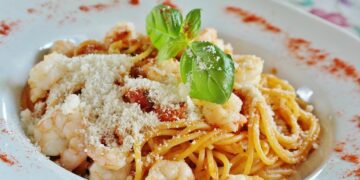
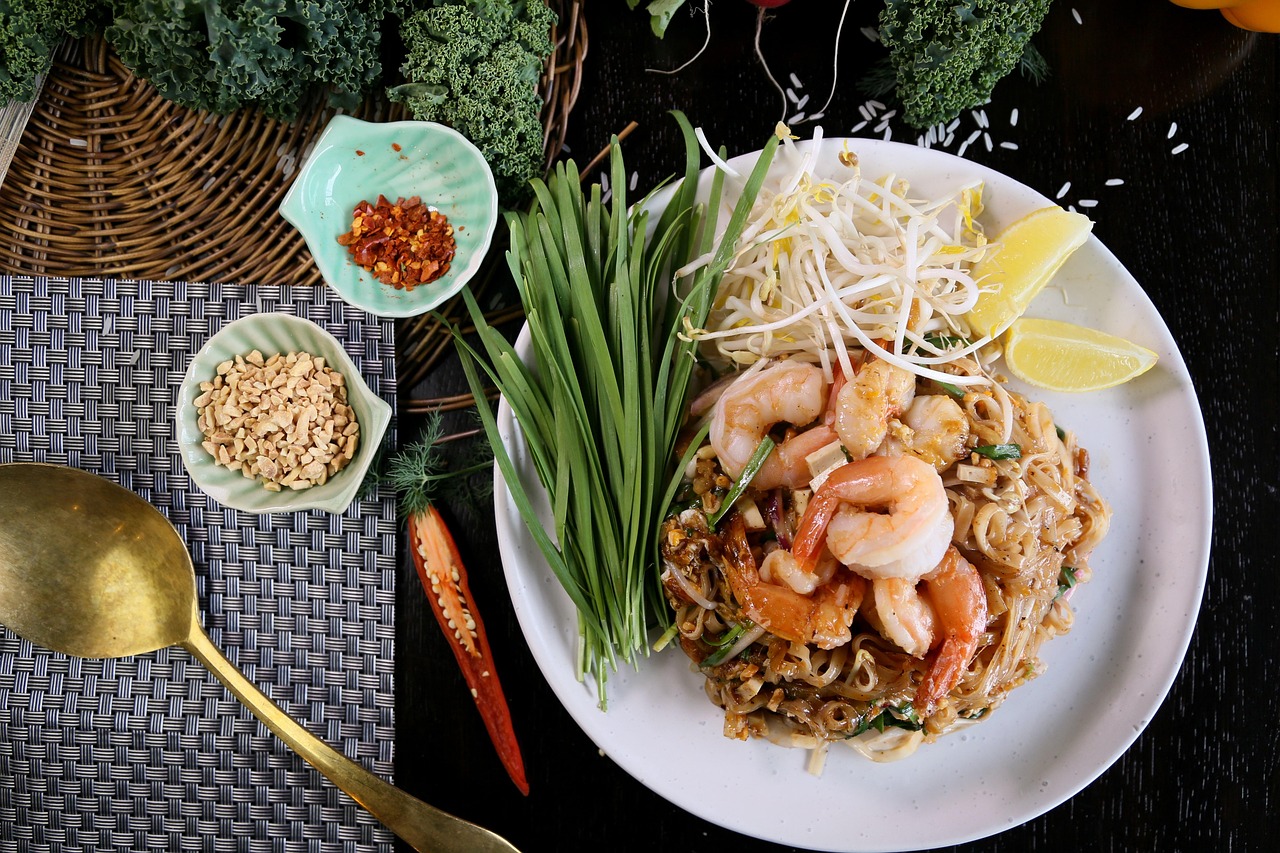
To work out what to eat in Phuket, start with the Thai classics, then chase the local ones. The must-orders are pad thai, moo ping grilled pork skewers with sticky rice, som tam green papaya salad, and tom yum goong, the hot-and-sour prawn soup. For the Phuket specialities, get mee hokkien, thick yellow noodles fried with pork, seafood and egg in gravy, and moo hong, pork belly braised soft with garlic and black pepper. Other easy wins are khao man gai, poached chicken on rice, and apong, a thin coconut pancake sold from carts in the old town. Finish with mango sticky rice, a banana roti folded and drizzled with condensed milk, or the local o-aew shaved ice. Point at what looks busy and you will not go wrong.
How do you get between the markets?
The markets are spread out, so plan a little. Phuket Old Town is walkable once you are there, but Chillva and the Naka market sit a few kilometres out. A metered tuk-tuk or a songthaew, the shared pickup trucks, will get you around cheaply, and the Grab app works across the island for a fixed fare with no haggling. If you are staying in Patong, Banzaan and Malin Plaza are both walkable from the main strip. We usually pick one market a night rather than trying to cram two in.
Phuket street food markets at a glance
| Market | Where | Best for | When |
| Lard Yai Sunday Walking Street | Thalang Road, Old Town | Local Baba dishes, sweets | Sun ~4-9pm |
| Chillva Market | Yaowarat Road, Phuket Town | Grilled seafood, container bars | Mon-Sat ~5-11pm |
| Naka Weekend Market | Near Central Festival | Cheap eats and shopping | Sat-Sun evenings |
| Banzaan Fresh Market | Behind Jungceylon, Patong | Pick-and-grill seafood | Daily, evenings |
| Malin Plaza | Rat-U-Thit Road, Patong | Quick stalls near the beach | Daily, evenings |
Is Phuket street food cheap?
Very little, and that is part of why the best street food in Phuket beats the restaurants. A skewer or a snack is around 20 to 40 baht, a plate of pad thai or a noodle soup 50 to 80 baht, and a fresh fruit shake about 40 baht. Two of us eat a full evening of grazing for well under 400 baht, a few pounds each. Seafood is sold by weight, so it costs more, but it is still cheap next to a restaurant. Carry small notes, as stalls rarely change big ones, and bring a bottle of water because the chilli builds up.
That is our shortlist for eating well on the island. For how Thailand rates against everywhere else, we put it near the top of the world’s best cuisines, and the Tourism Authority of Thailand lists more markets if you want to keep going. Chok dee.
FAQs
Yes, if you use common sense. Pick busy stalls with a fast turnover, where the food is cooked fresh in front of you and does not sit around. Peel your own fruit, and stick to bottled water. We have eaten street food all over the island without trouble.
Mee hokkien noodles and moo hong braised pork are the big two, both from the island’s Hokkien Chinese roots. For dessert, o-aew, a shaved ice with jelly and syrup, is unique to Phuket and hard to find anywhere else.
Lard Yai runs Sunday late afternoon into the evening, Chillva is Monday to Saturday from about 5pm, and Naka Weekend Market is Saturday and Sunday nights. Evenings are the time for all of them, so plan dinner around whichever is on.
A fresh coconut or a fruit shake by day, and cha yen, sweet Thai iced tea, with a spicy plate. In the evening the local Chang and Singha beers are cold and cheap at most night markets.
Easily. Plenty of dishes are mild, like moo ping, mee hokkien, roti and mango sticky rice. Learn the words mai phet for not spicy, and vendors will tone it down for you.