




An hour downriver from Vienna sits Bratislava, a capital small enough to see on foot in a weekend and cheap enough to enjoy it. We at VayCay Couple used it as an easy add-on to a Vienna trip, and this is our honest run-through of the best things to do in Bratislava, what to eat, how to get there and how long you really need. It is the compact, budget-friendly capital of Slovakia, where a coronation cathedral, a hilltop castle and a wine region all sit within a short walk or bus ride. We checked prices in August 2026.
Is Bratislava worth visiting?
Yes, for a day or two. Bratislava is not going to out-grand Prague or Vienna, and that is rather the point, since it is smaller, quieter and a good deal cheaper, with an espresso at around 2 euro and a pint near 3. The old town is walkable in an afternoon, the castle view is a genuine highlight, and the Small Carpathian wine villages sit half an hour away. If you want a grand week-long city break, look elsewhere in Europe, but as a relaxed weekend or a day trip, Bratislava earns its place.
What is there to do in Bratislava’s Old Town?
If you are wondering what to do in Bratislava on a short visit, most of it sits here. The Bratislava old town is tiny, barely 500 metres across, and packs the highlights into one loop. Start at Michael’s Gate, the last surviving medieval gate, and climb it for about 5 euro and a rooftop view over the red tiles. Cross Main Square, past the Roland Fountain and the Old Town Hall, to the Primate’s Palace, whose mirrored hall and rare English tapestries cost around 3 euro. Look up at St Martin’s Cathedral, where Hungarian kings were once crowned and a gilded crown still tops the spire, then hunt down Cumil, the bronze sewer worker peeking out of a manhole, the city’s most photographed resident. A slow circuit with a coffee stop is a couple of easy hours, and it is the heart of any list of Bratislava things to do.
Is Bratislava Castle worth the climb?
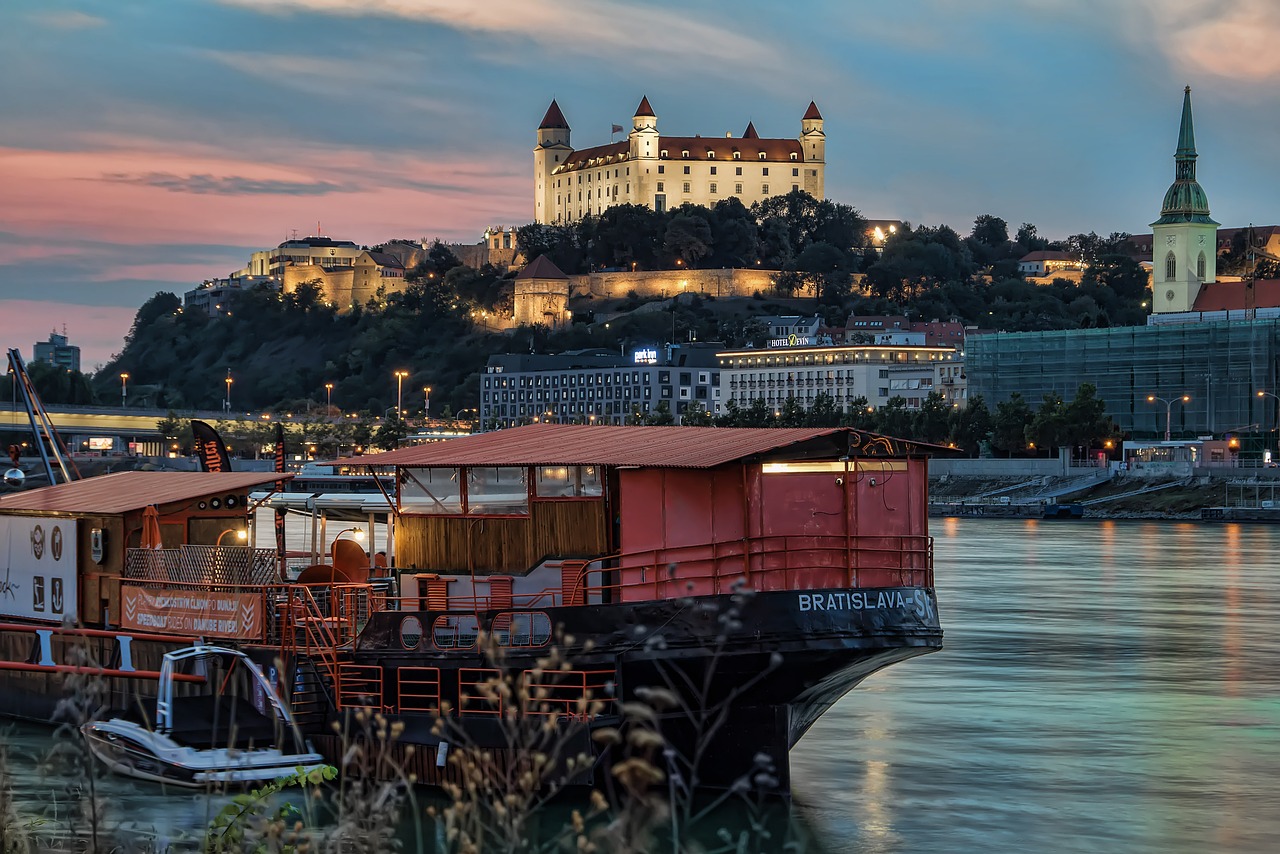
It is, and the walk up is short. Bratislava Castle is the white, four-towered fortress on the hill above the Danube, rebuilt many times and now home to the Slovak National Museum, with grounds and baroque gardens that are free to wander and a museum inside for about 12 euro. The real prize is the terrace view over the river, the old town and across to Austria and Hungary on a clear day. Nearby, the Slavin war memorial gives another free viewpoint and a quieter walk.
What else should you see beyond the Old Town?
Three more sights are worth the short trip. The UFO Observation Deck, perched on the SNP Bridge, charges around 12 euro for the lift to a platform 95 metres up, with a drink and a great sunset angle over the city. The Blue Church, an Art Nouveau chapel iced in pale blue like a wedding cake, is free to admire from outside and endlessly photogenic. And 20 minutes west by bus number 29, the ruins of Devin Castle stand on a crag where the Morava meets the Danube, right on the old Iron Curtain line, for about 6 euro and a real sense of history.
Opening hours at these sights change with the season, and the city tourist board Visit Bratislava keeps the current list.
What should you eat and drink in Bratislava?
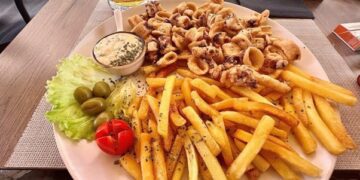
Slovak food is hearty and cheap. The national dish is bryndzove halusky, little potato dumplings under sheep’s cheese and bacon, and the place to try it is Modra Hviezda under the castle or the Bratislavsky mestiansky pivovar brewery in the centre, where a main runs about 11 to 18 euro. Wash it down with a glass of Slovak white wine, a Gruner Veltliner from the Small Carpathian vineyards near Pezinok, and spend a morning in the strong local coffee scene, at a roaster such as Fach. A Saturday browse of the Stara Trznica market hall turns up langos, cheese and honey wine. Portions are large and the bill is small, which is half the pleasure of eating out in Bratislava.
The national tourism site Slovakia Travel maps the Small Carpathian wine road if you want to add a cellar day.
How do you get to Bratislava, and can you day-trip from Vienna?
Bratislava is one of the easiest cities in Europe to reach. Railjet trains from Vienna’s main station take about an hour and cost roughly 11 euro return, which makes a Bratislava day trip from Vienna genuinely simple, and in the warmer months the Twin City Liner boat glides down the Danube from Vienna in about 75 minutes. The city’s own BTS airport is 10 minutes out on bus number 61 for 1.10 euro, and Vienna’s larger airport is about an hour away by bus. Once you arrive, everything central is walkable, and a single tram or bus ticket is only 1.10 euro.
Bratislava at a glance
| Sight or spot | What it is | Cost |
| Bratislava Castle | Hilltop fortress, museum, views | Grounds free, museum ~12 euro |
| Michael’s Gate | Medieval gate, rooftop view | ~5 euro |
| Primate’s Palace | Mirror hall, English tapestries | ~3 euro |
| UFO Deck | Bridge-top viewing platform | ~12 euro with a drink |
| Blue Church | Art Nouveau chapel | Free outside |
| Devin Castle | Cliff-top ruins, bus 29 | ~6 euro |
| Railjet from Vienna | Train, about one hour | ~11 euro return |
What time of year suits Bratislava?
The two sweet spots are spring, in April and May, and early autumn. April and May bring blossom, reopened beer gardens and mild days, while September and October add the Small Carpathian wine harvest and hotel prices around a third lower than midsummer. Summer is warm and lively with festivals and boat bars on the Danube, and December turns Main Square into one of central Europe’s prettiest and cheapest Christmas markets, with an ice rink under the castle.
Where should you stay in Bratislava?
Base yourself in the Old Town, Stare Mesto, on a first visit, since you can walk to everything and boutique doubles run about 120 to 170 euro. For a cheaper bed near the Vienna train, Petrzalka across the river has three-star hotels from around 70 euro and a 10-minute tram into the centre. The riverfront Nivy and Eurovea district is the modern pick, glassy and walkable along the Danube promenade, at roughly 100 to 130 euro. Book well ahead for weekends and for December, when the Christmas market fills the squares.
A perfect day in Bratislava
With a single day, start at 9am on the Old Town loop, taking in Michael’s Gate, Main Square and the Cumil statue before the crowds arrive. Break for a lunch of bryndzove halusky at the Bratislavsky mestiansky pivovar around midday, then walk up to Bratislava Castle for the gardens and the river view in the early afternoon. Swing by the Slavin memorial for a quieter panorama, ride the UFO Deck lift for a drink as the light drops, and finish with dinner at Modra Hviezda beneath the castle. With a second day, give it to Devin Castle in the morning and the Small Carpathian wine road in the afternoon.
Pair it with Vienna, give it a full day for the old town and castle and a second day for the wine villages, and Bratislava turns from a quick stopover into a proper little break of its own.
FAQs
Easily. One day in Bratislava covers the old town loop, the castle and a lunch of bryndzove halusky, which is exactly why so many people visit on a day trip from Vienna. Stay overnight if you want the wine villages or Devin Castle too.
Generally yes. Meals tend to run 15 to 25 percent less than Prague, and hotels 20 to 30 percent less, though the gap has narrowed. A simple lunch with a drink is about 12 to 15 euro, and a decent central hotel room around 90 to 120 euro in shoulder season.
Cards work almost everywhere, including trams via the app, but carry a little cash for markets and small cafes. Use bank-branded ATMs rather than the Euronet machines, which charge high fees, and remember Slovakia uses the euro.
Yes, it is one of the safer capitals in Europe, with the usual big-city caution around pickpockets on busy trams and at the main station. Tap water is safe to drink, and the compact centre is comfortable to walk at night.