








Vienna is one of the easiest capital cities in Europe to enjoy slowly. The centre is walkable, public transport is reliable, museums are world-class, and the café culture gives you a reason to stop rather than rush.
It is a city of palaces, music, coffeehouses, galleries, trams, parks and wide streets. The main mistake is trying to treat it like a quick checklist. Vienna is better when you choose fewer sights, book the busy ones properly and leave space for cafés, courtyards and evening walks.
This Vienna travel guide covers where to stay, how long to spend, what to see, how to get around, what to eat, how much to budget and which day trips make sense.
What should you know before visiting Vienna in 2026?
Vienna is the capital of Austria and uses the euro. German is the main language, though English is widely spoken in hotels, museums, restaurants and transport areas.
Austria is in the Schengen Area, so UK visitors and many non-EU travellers need to watch the 90 days in any 180-day period rule. Austria’s official tourism site also notes that the EU Entry/Exit System is now in use for short stays by non-EU nationals, so check current entry rules before travelling.
If Vienna is part of a longer Europe trip, it pairs well with Bratislava, Budapest, Prague, Salzburg and Munich by train.
Is Vienna worth visiting?
Yes, Vienna is worth visiting if you like culture, food, architecture and cities that are easy to navigate. It suits a weekend break, a longer city stay or a wider Central Europe route.
Vienna is especially good for:
- classical music and opera
- imperial palaces
- art museums
- coffeehouses
- Christmas markets
- tram and train-based travel
- slower city breaks
- couples’ trips
- clean, simple public transport
It is less ideal if you want cheap nightlife, beaches or a very casual city with no planning needed. Vienna rewards a bit of structure.
Vienna quick facts for visitors
| Travel point | What to know |
|---|---|
| Country | Austria |
| Currency | Euro |
| Main language | German |
| Airport | Vienna International Airport |
| Best trip length | 3 to 4 days |
| Best months | April to June and September to December |
| Best for | Palaces, museums, cafés, music, Christmas markets |
| Public transport | U-Bahn, trams, buses, S-Bahn |
| Emergency number | 112 |
| Plug type | Type F |
Tap water in Vienna is safe to drink and is one of the easiest ways to save money during the trip.
How many days do you need in Vienna?
Three days is a good minimum for Vienna. Two days can work, but it usually means choosing between palaces, museums and neighbourhood time.
| Time in Vienna | Best use |
|---|---|
| 1 day | Old town, St Stephen’s Cathedral and one major sight |
| 2 days | Old town, Schönbrunn or Belvedere, one museum |
| 3 days | Main sights, café culture, palace and museum balance |
| 4 days | Add Prater, Danube, markets or a day trip |
| 5+ days | Slower Vienna with Bratislava, Wachau or Salzburg added |
For a first visit, three nights is often better than two. It lets you see the main sights without turning every day into a palace-to-museum rush.
Where should you stay in Vienna?
The best area depends on how you want the trip to feel. Vienna is well connected, so you do not always need to stay beside the main sights.
| Area | Best for | What to know |
|---|---|---|
| Innere Stadt | First visit, walking, major sights | Most central and usually most expensive |
| Leopoldstadt | Prater, Danube Canal, better value | Good balance of access and space |
| Neubau | Museums, cafés, shops, local feel | Strong for a more relaxed city break |
| Wieden | Belvedere, cafés, station access | Handy for train travel |
| Josefstadt | Quiet streets, theatres, local restaurants | Good for couples |
| Landstrasse | Belvedere, airport links, practical hotels | Useful but less atmospheric in parts |
| Mariahilf | Shopping, restaurants, transport | Good mid-range option |
For a first trip, Innere Stadt, Neubau, Wieden and Leopoldstadt are the easiest choices. If hotel prices are high, stay near a U-Bahn or tram line rather than paying extra for the exact centre.
How do you get from Vienna airport to the city?
Vienna International Airport is well connected to the city. You do not need a taxi unless you arrive late, have heavy luggage or your hotel is awkward to reach.
Main options include:
| Option | Best for | Notes |
|---|---|---|
| ÖBB Railjet or S-Bahn | Most visitors | Good value and connects to main stations |
| CAT airport train | Direct city airport train | Faster for some routes, usually pricier |
| Airport bus | Some hotel areas | Useful depending on where you stay |
| Taxi or transfer | Late arrivals or luggage | Agree the fare or use official taxis |
Check live journey times before choosing. The fastest option depends on your hotel area, not just the advertised airport journey time.
How do you get around Vienna?
Vienna is easy to get around without a car. The U-Bahn, trams, buses and local rail cover most visitor journeys.
The official Vienna City Card includes public transport within Vienna and discounts at many attractions, with 24-hour, 48-hour, 72-hour and 7-day options. It can be useful if you plan to move around a lot and visit several paid sights.
For many visitors, a normal public transport ticket or pass may be enough. Buy the City Card only if the transport and discounts fit your actual plans.
Walking in Vienna
The old centre is easy to walk, but Vienna is larger than it first appears. A sensible plan is to walk the historic centre, then use trams or U-Bahn for Schönbrunn, Belvedere, Prater and outer neighbourhoods.
Do you need a car in Vienna?
No. A car is unnecessary in Vienna and can be more trouble than help. Public transport is easier, parking is limited, and trains work well for most day trips.
What are the best things to do in Vienna?
Vienna has a lot to see, but you do not need every palace and museum in one visit. Pick the sights that match your trip.
Walk the Innere Stadt
The Innere Stadt is Vienna’s historic centre. It is the best place to start because many major sights sit close together.
Good stops include:
- St Stephen’s Cathedral
- Graben
- Hofburg area
- Austrian National Library
- Kärntner Straße
- Albertina area
- State Opera exterior
- small courtyards and side streets
Do this early in the trip. It helps you understand the city before adding larger sights.
Visit St Stephen’s Cathedral
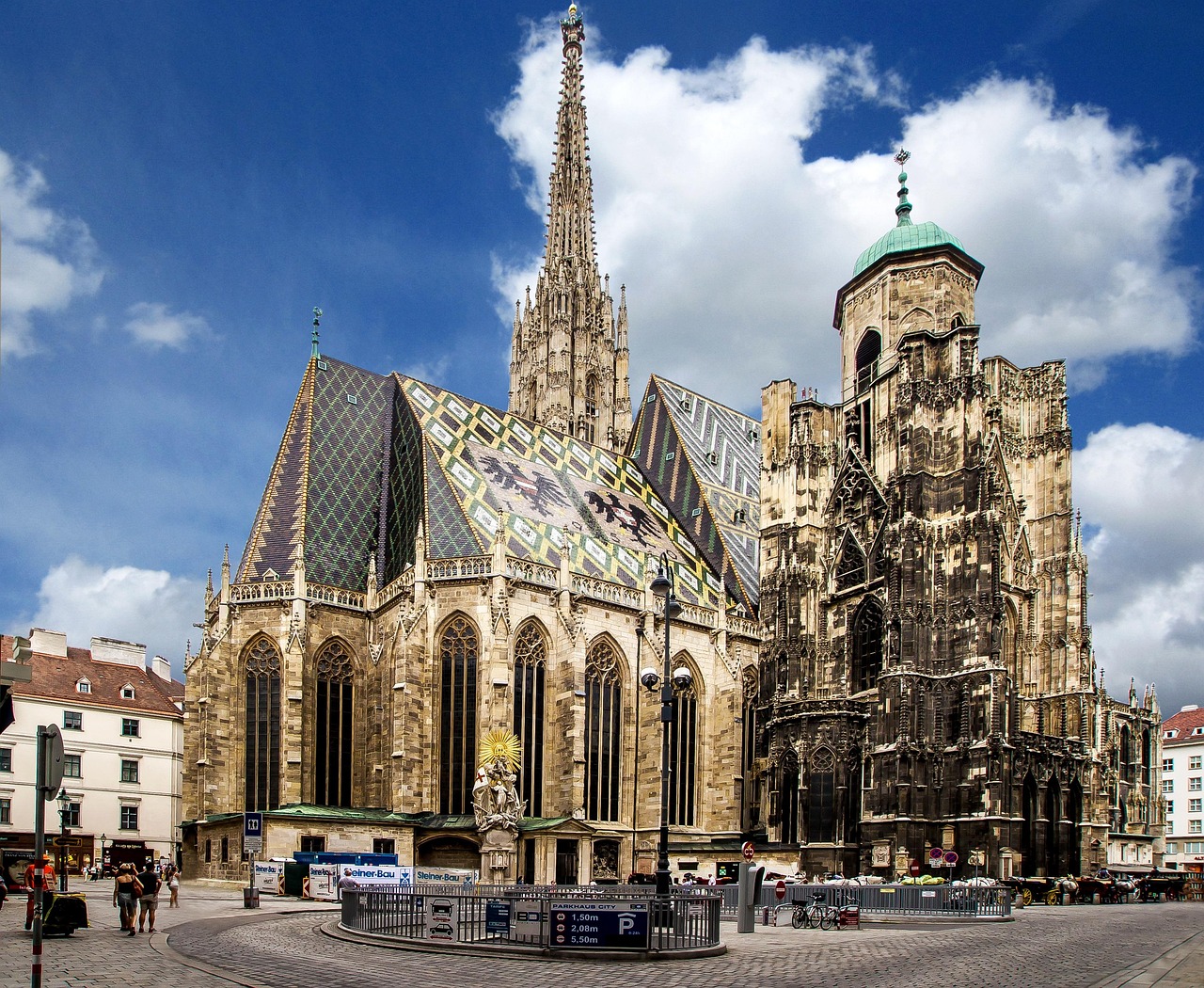
St Stephen’s Cathedral is one of Vienna’s main landmarks. You can visit the church, climb or lift to viewpoints depending on the route, and see the tiled roof from above.
Go early or later in the day for a calmer visit.
Choose one major palace first
Vienna has several imperial sights, but most visitors should start with either Schönbrunn or Belvedere rather than trying to do everything.
Schönbrunn Palace is best for imperial rooms, gardens and a half-day visit. Use the official Schönbrunn site for current tickets and opening information.
Belvedere is best for art, Baroque architecture and Klimt’s The Kiss. The Belvedere describes the Upper Belvedere as a Baroque palace with 800 years of art history, including works by Klimt, Schiele, Messerschmidt and van Gogh.
Visit the Kunsthistorisches Museum
The Kunsthistorisches Museum is one of Vienna’s strongest museums. It is a good choice if you want art, architecture and a slower indoor stop.
Do not rush it after two other major sights. It deserves time.
See the Vienna State Opera
You do not have to love opera to appreciate the Vienna State Opera. The building itself is central, and performances are a major part of the city’s identity.
If you want tickets, book through the official opera site. Standing-room tickets can be good value, but check current rules before planning around them.
Spend time in a coffeehouse
Coffeehouses are part of Vienna’s culture, not just a place for caffeine. A good coffeehouse stop gives you a pause between sights and a better sense of the city’s rhythm.
Try a melange, einspänner or simple black coffee with cake. Do not rush the table if the place allows lingering.
Walk or ride around the Ringstrasse
The Ringstrasse circles the old centre and passes many important buildings, including the Parliament, City Hall, Burgtheater, State Opera and museums.
You can walk sections or use trams to see more without tiring yourself out.
Visit the Prater
The Prater is good when you want something lighter after palaces and museums. The Giant Ferris Wheel is the famous sight, but the wider park is also useful for a walk.
It works well in late afternoon or early evening.
Explore Naschmarkt
Naschmarkt is Vienna’s best-known market. It is useful for food stalls, casual meals, spices, snacks and a livelier break from formal sightseeing.
It is popular, so go with realistic expectations. It is more visitor-friendly than hidden local secret.
Go to the Danube Canal or Danube Island
The Danube Canal is good for walks, bars and a more casual side of Vienna. Danube Island works better in warm weather if you want cycling, swimming areas or a break from the old city.
Schönbrunn or Belvedere: which should you choose?
If you only have time for one, choose based on your interests.
| Choose Schönbrunn if you want | Choose Belvedere if you want |
|---|---|
| Imperial palace rooms | Klimt and art |
| Large gardens | A shorter visit |
| A classic Vienna half-day | Easier central access |
| Family-friendly outdoor space | Baroque architecture |
| A sense of Habsburg scale | Museum focus |
Many first-time visitors choose Schönbrunn. Art-focused visitors may prefer Belvedere. If you have three or four days, you can do both without rushing.
Which Vienna museums are worth it?
Vienna has many museums, so choose carefully.
| Museum | Best for |
|---|---|
| Kunsthistorisches Museum | Old masters, grand interiors, art history |
| Belvedere | Klimt, Schiele, Austrian art |
| Albertina | Drawings, prints, modern exhibitions |
| Leopold Museum | Egon Schiele, Vienna 1900 |
| Wien Museum | City history |
| House of Music | Music and interactive exhibits |
| MAK | Design and applied arts |
A good first visit usually needs two museums at most. More than that can make the trip feel too indoor-heavy.
What should you eat in Vienna?
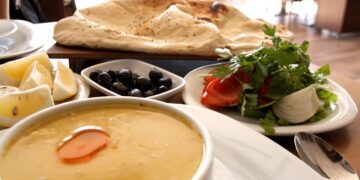
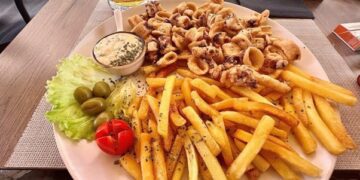
Vienna is good for traditional food, cakes, coffee, wine taverns and casual markets. Do not eat every meal in the first restaurant beside a major sight.
Try:
- Wiener schnitzel
- tafelspitz
- goulash
- käsespätzle
- sachertorte
- apfelstrudel
- kaiserschmarrn
- topfenstrudel
- käsekrainer
- melange
- Austrian wine
For a proper local-feeling evening, consider a heuriger, a wine tavern often found in wine-growing districts such as Grinzing or Döbling.
How much does Vienna cost?
Vienna is not the cheapest city in Central Europe, but it is often better value than cities such as Paris or London for museums, transport and food quality.
| Cost | Rough guide |
|---|---|
| Coffee | About €3 to €5 |
| Cake | About €4 to €8 |
| Casual lunch | About €12 to €20 |
| Traditional dinner | About €20 to €35+ |
| Museum ticket | Often around €15 to €25 |
| Mid-range hotel | Varies heavily by season and area |
| Public transport | Good value with passes |
Ways to save money:
- use public transport instead of taxis
- stay near U-Bahn access rather than directly in the old town
- choose one paid palace and one paid museum, not five
- eat casual lunches at markets or bakeries
- travel outside peak Christmas market and New Year dates
- check if a transport pass or City Card fits your plans
When is the best time to visit Vienna?
Vienna works all year, but each season feels different.
| Season | Best for | What to expect |
|---|---|---|
| March to May | Museums, cafés, parks | Mild weather and spring colour |
| June to August | Outdoor events, Danube, long days | Warmer, busier, sometimes hot |
| September to October | Walking, wine, calmer city breaks | Good balance of weather and crowds |
| November to December | Christmas markets, lights, concerts | Busy, atmospheric, higher hotel prices |
| January to February | Ball season, museums, lower crowds | Cold weather, indoor focus |
For a first visit, May, June, September and early October are strong choices. December is special but needs early booking.
What should you book ahead in Vienna?
Book ahead for:
- Schönbrunn Palace timed entry
- Belvedere if visiting at busy times
- Vienna State Opera or concert tickets
- Christmas market accommodation
- New Year travel
- popular restaurants at weekends
- high-demand hotels in the old centre
- day trips by train during peak periods
A little advance planning matters in Vienna because many top sights use timed entry or have busy peak periods.
Where can you go from Vienna?
Vienna works well with nearby cities and regions, especially by train.
| Place | Best for | Notes |
|---|---|---|
| Bratislava | Easy cross-border city day | Short journey, different feel |
| Salzburg | Music, old town, mountain backdrop | Better with an overnight stay if possible |
| Wachau Valley | Wine, Danube, villages | Good in spring to autumn |
| Budapest | Bigger Central Europe route | Better as a next stop than rushed day trip |
| Prague | Wider Central Europe route | Best with at least two nights |
| Graz | Food, architecture, smaller city feel | Good Austria add-on |
Vienna can be one of several Central European destinations in the same trip, but it is best not to rush the city just to add another capital.
If you want an easy nearby city, our Bratislava travel guide is a useful next step.
Is Vienna good for couples?
Yes, Vienna is very good for couples. It has long walks, cafés, evening music, museums, parks, wine taverns and hotels for different budgets.
Good couple-friendly ideas include:
- coffee and cake in a traditional coffeehouse
- evening at the opera or a concert
- sunset near the Danube Canal or Kahlenberg
- slow morning at Schönbrunn gardens
- museum plus café rather than too many sights
- dinner in a heuriger
- Christmas market trip in December
Vienna works best for couples who like culture, food and slower city breaks rather than late-night party travel.
What to pack for Vienna
Pack for walking, weather changes and smarter evenings if you plan opera or concerts.
Useful items include:
- comfortable shoes
- light layers
- waterproof jacket or umbrella
- smart-casual outfit
- reusable water bottle
- plug adapter if needed
- power bank
- scarf or warm layer in winter
- gloves and hat in December to February
- offline transport app or saved tickets
Vienna is elegant, but you do not need formal clothes unless attending a specific event with a dress code.
Is Vienna safe?
Vienna is generally safe for visitors. Use normal city awareness, especially in busy transport areas, around major sights and at night.
Practical safety tips:
- keep bags closed on trams and U-Bahn
- watch pockets in crowded Christmas markets
- use licensed taxis or public transport
- check the last transport times if staying out late
- take care on icy pavements in winter
- carry travel insurance
For current official safety and entry guidance, UK travellers should check Austria travel advice before departure.
Common Vienna travel mistakes
Avoid these if you want a smoother trip:
- trying to visit every palace and museum
- staying too far from good transport
- treating Schönbrunn as a quick one-hour stop
- assuming coffeehouses are only for quick coffee
- booking restaurants too late in December
- skipping public transport and walking too far every day
- buying a city card without checking if it saves money
- planning Salzburg as a rushed day trip if you want to see it properly
- visiting only the old town and missing the canal, parks or neighbourhoods
- leaving opera or concert tickets until the last minute
Vienna is best when you do not overfill the days. Choose one palace, one or two museums, a few strong walks and at least one proper coffeehouse stop.
Use public transport, book the busiest sights ahead and stay somewhere with easy access to the centre. Add Bratislava, Wachau or Salzburg only if you have enough time.
For more practical couples’ travel planning, VayCay Couple focuses on routes that leave space for the small parts of a trip: a quiet café table, an evening tram ride, a good museum hour or a walk that was not rushed.
FAQs
Three days is best for a first visit. It gives you time for the old town, one palace, one or two museums, cafés and a slower evening.
Vienna is not cheap, but it can be managed. Public transport is good value, and you can balance paid museums with parks, churches, markets and walks.
The historic centre is very walkable, but the wider city is larger than it looks. Use the U-Bahn and trams for Schönbrunn, Prater, Belvedere and outer districts.
Vienna is better for museums, classical music, palaces and polished city breaks. Prague feels more compact and dramatic, while Budapest is often better for nightlife and thermal baths.
For a first visit, Innere Stadt, Neubau, Wieden and Leopoldstadt are good choices. Stay near a U-Bahn or tram stop if you want better value.
Cards are widely accepted, but it is useful to carry some cash for small cafés, markets, tips or older businesses.