










A few years ago, a summer holiday usually meant heat, packed beaches and a long list of southern hotspots competing for the same kind of traveller. That has started to shift. More people now want summer trips that feel easier to handle, less overheated and more rewarding once they arrive. That is where coolcations come in.
The idea is simple. Instead of chasing the hottest weather, a coolcation leans towards milder temperatures, higher altitude, cleaner air, longer walks and places where being outside still feels enjoyable in the middle of summer. At VayCay Couple, we have noticed that this type of trip appeals not only to hikers and outdoor travellers, but also to people who are simply tired of building holidays around heat management.
What is a coolcation?
A coolcation is a holiday planned around a cooler climate rather than peak summer heat. That can mean heading north, going higher into the mountains, choosing lakes over beach resorts, or swapping crowded Mediterranean routes for places where July and August still feel comfortable.
What usually defines a coolcation
- milder daytime temperatures
- more walking and outdoor time
- lower pressure than classic sun-and-sea trips
- stronger focus on nature, scenery and slower travel
- destinations that feel refreshing rather than exhausting
The point is not cold weather for the sake of it. It is choosing a place where summer still feels pleasant.
Why are coolcations becoming more popular?
The answer is not complicated. Many people still want a summer break, but they no longer want the worst parts of peak heat to come with it.
Why travellers are shifting towards cooler destinations
| Reason | Why it matters |
|---|---|
| Hotter summers | Extreme heat makes city breaks and active travel harder |
| Crowd fatigue | Cooler destinations can feel calmer than classic peak-season hotspots |
| Better outdoor conditions | Hiking, cycling and sightseeing are easier in milder weather |
| Different kind of luxury | Space, air quality and quiet now matter as much as sun |
| More thoughtful travel | Travellers are choosing comfort and experience over habit |
That broader shift is reflected in European tourism patterns too. The European Travel Commission’s Q1 2026 report said Europe had a strong start to the year, with Northern Europe standing out in several cases, including Finland.
Are coolcations just a trend, or are they here to stay?
They are likely to stay, because they answer a real travel problem rather than a passing social media mood. Heat, crowding and peak-season pressure are not going away. That means destinations that feel more breathable and manageable in summer will probably stay in demand.
This does not mean beach holidays disappear. It means more travellers are now mixing the idea of summer escape with comfort, activity and climate awareness rather than assuming heat automatically equals a better trip.
Which countries work best for a coolcation?
The best coolcation destinations usually combine mild weather with a clear reason to be there beyond temperature alone. Good scenery is not enough by itself. The place needs enough substance to justify the trip.
Iceland
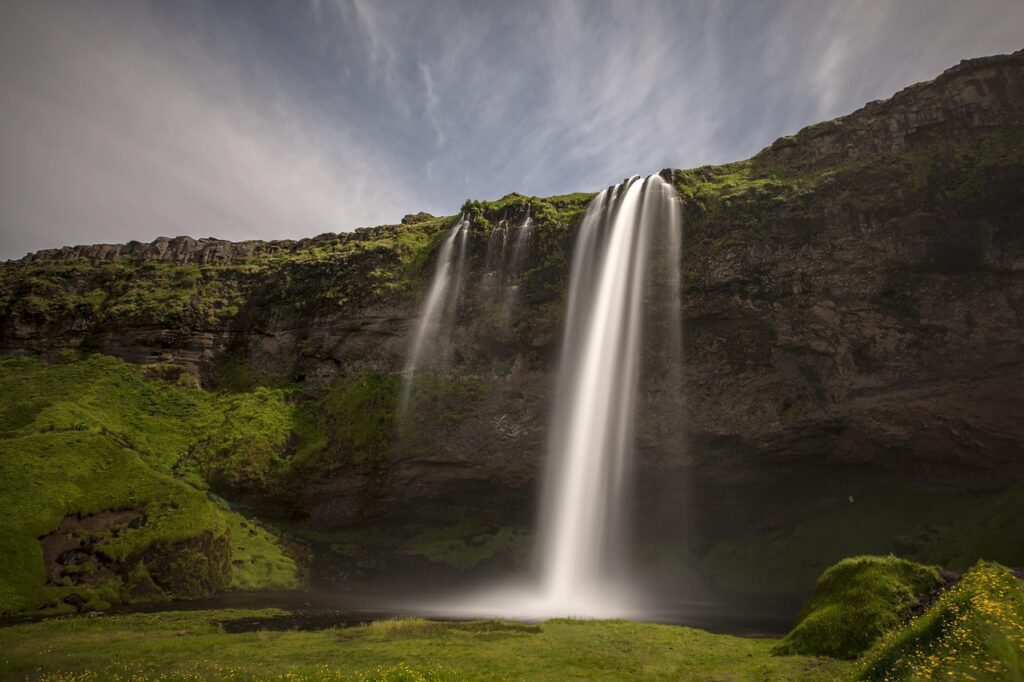
Iceland still fits the coolcation idea almost perfectly. Summer brings long daylight, dramatic landscapes, hikes, waterfalls and geothermal experiences without the same kind of heat pressure seen further south. Official tourism information continues to present Iceland around glaciers, hot springs, volcanoes and wide-open landscapes that work especially well in the longer days.
Why Iceland works
- naturally cool summer conditions
- long daylight hours
- strong appeal for road trips and active travel
- scenery that feels very different from a standard Europe break
Best for
- hikers
- photographers
- travellers wanting a dramatic landscape-led trip
Scotland
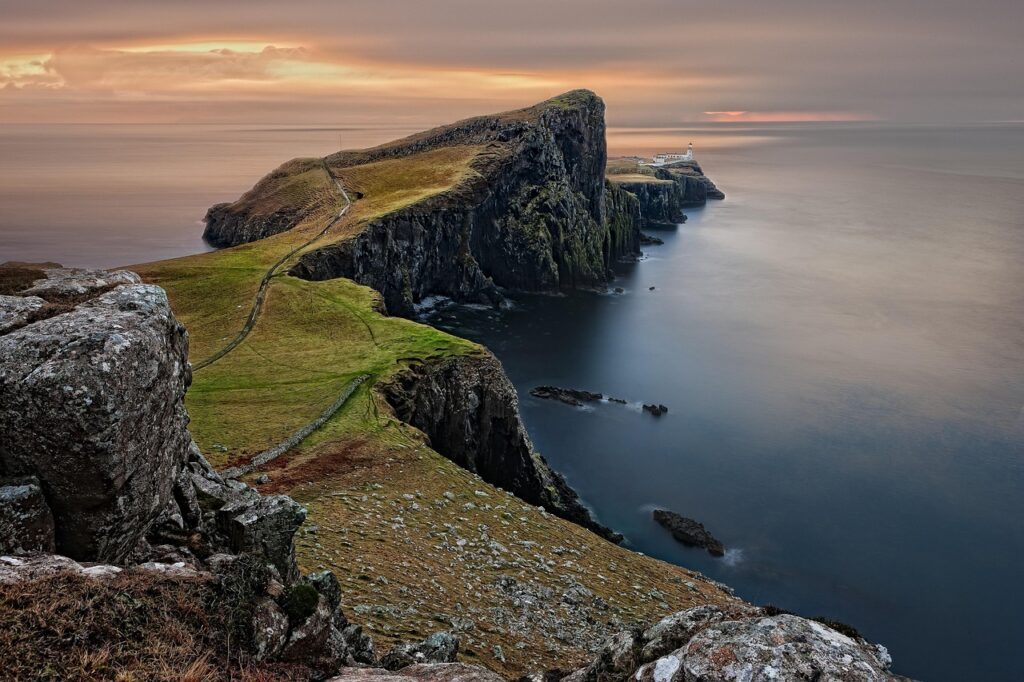
Scotland has become one of the clearest alternatives for travellers who still want summer but without the most intense heat. The Highlands, islands and coastal roads offer a very different pace, and summer remains one of the easiest times to enjoy longer daylight and outdoor routes. VisitScotland still promotes summer for breaks built around nature, events and scenic travel.
Why Scotland works
- manageable summer temperatures
- strong mix of scenery and culture
- easy combination of city breaks and outdoor travel
- a good fit for road trips and rail journeys
Best for
- couples
- scenic self-drive holidays
- travellers who want a balance of history and landscape
If you like the cooler-travel idea but want to keep it closer to a broader UK route, England Travel Guide can help shape the warmer and cooler parts of the trip more realistically.
Finland
Finland suits travellers who want lakes, forests, cleaner air and a quieter style of summer travel. It is not built around obvious headline tourism in the way some European destinations are, which is part of the appeal. The cooler climate, strong nature focus and lower-pressure rhythm make it one of the better choices for a summer trip that still feels restorative.
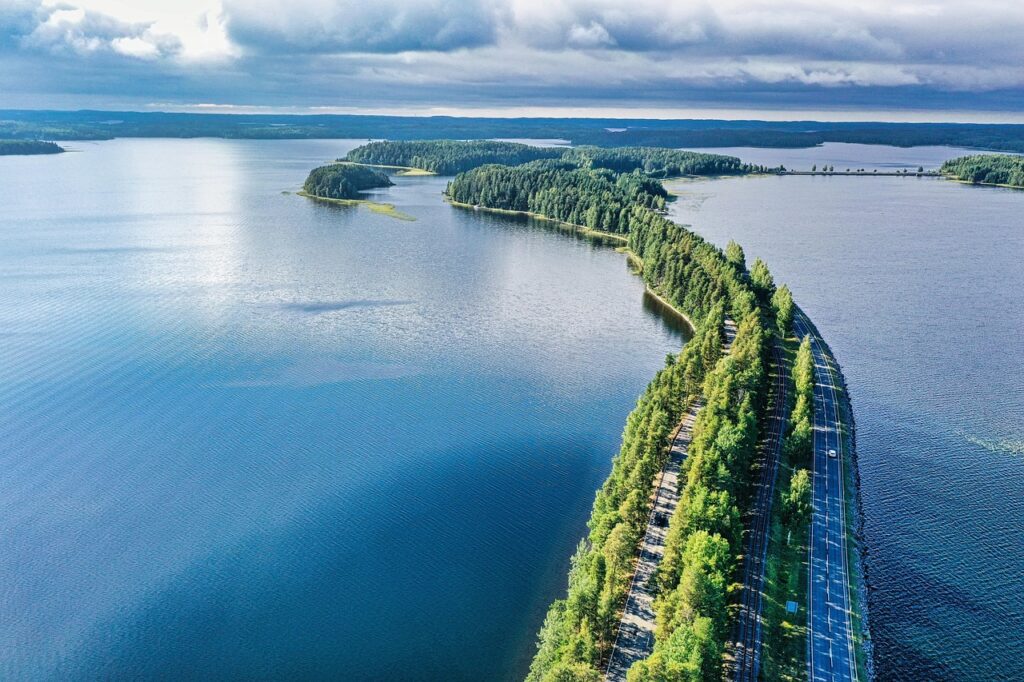
Why Finland works
- huge amounts of nature and water
- cooler summer atmosphere than southern Europe
- strong fit for cabins, lake stays and slow travel
- good for travellers who want space rather than spectacle
Best for
- nature-heavy trips
- quiet summer breaks
- travellers more interested in lakes and forests than classic city tourism
The ETC report also highlighted Finland as one of Northern Europe’s stronger performers in early 2026.
Canadian Rockies
For travellers looking beyond Europe, the Canadian Rockies remain one of the most obvious coolcation choices. Summer there is built around lakes, trails, wildlife and mountain scenery rather than oppressive heat. It is a very different type of holiday from a beach break, but that is exactly why it works so well for this trend.
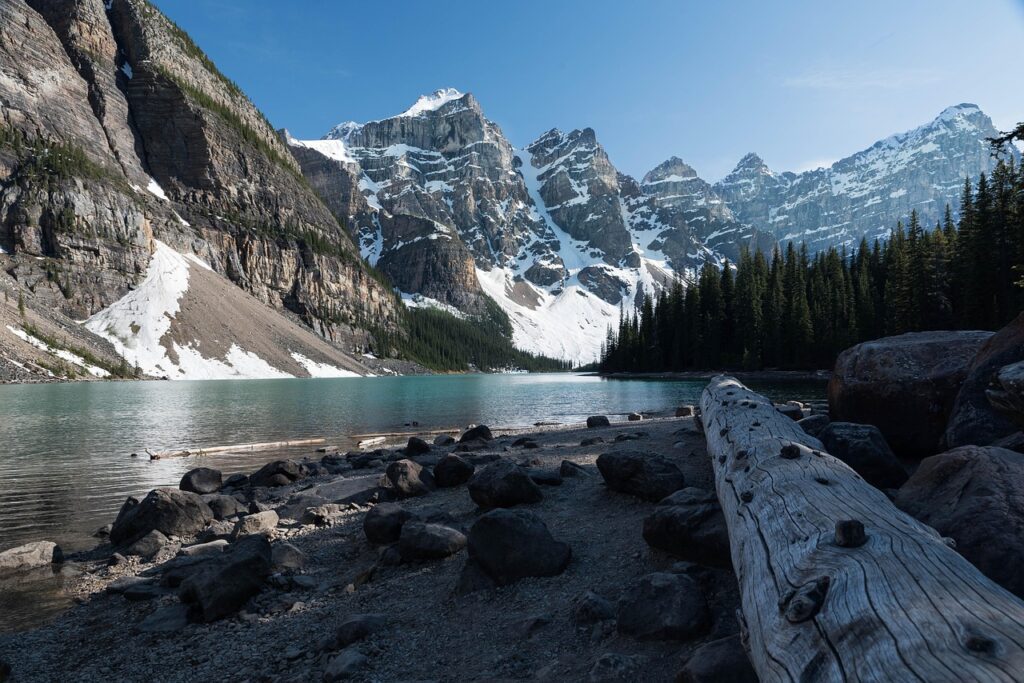
Why the Canadian Rockies work
- cool mountain air
- iconic lake and alpine scenery
- strong hiking and wildlife appeal
- a good alternative for travellers who want a bigger long-haul landscape trip
Best for
- active travellers
- families who prefer nature to resorts
- people wanting a scenic longer summer holiday
Norway’s Lofoten Islands
Lofoten is one of the strongest examples of a coolcation destination that still feels dramatic and memorable enough to justify the travel time. The islands combine jagged mountains, fishing villages, coastal drives and long summer daylight. Visit Norway continues to present Lofoten as a landscape of fjords, beaches, villages and dramatic natural scenery well above the Arctic Circle.
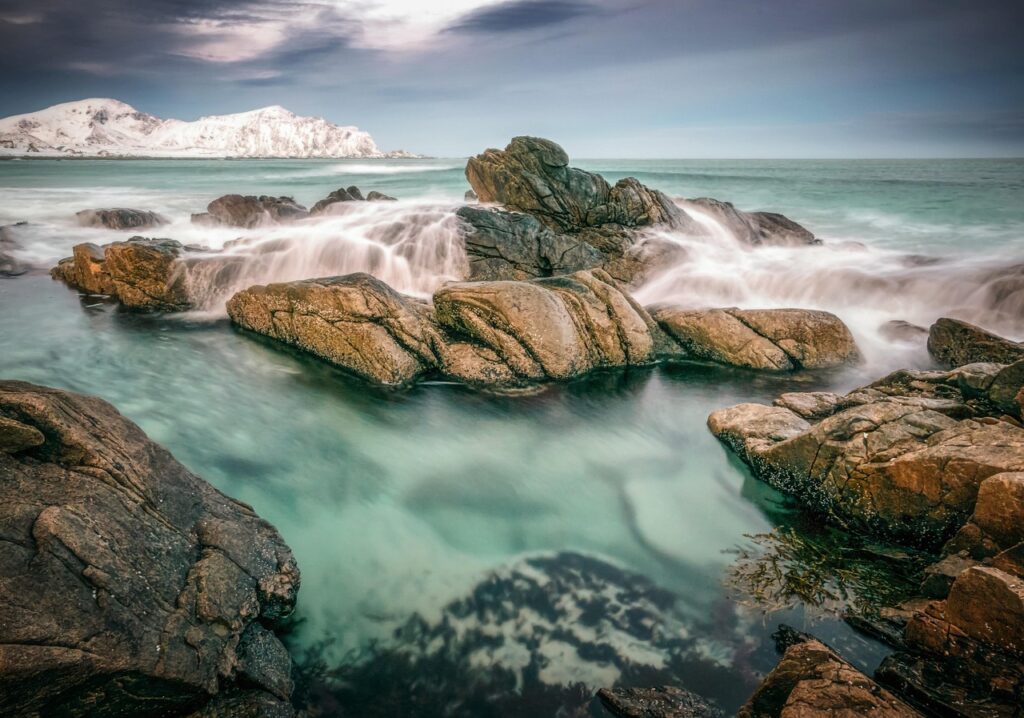
Why Lofoten works
- very distinctive scenery
- cooler maritime summer conditions
- long daylight in peak season
- strong mix of photography, hiking and road travel
Best for
- couples
- photographers
- travellers who want a more unusual summer route
For official planning and practical route ideas, Visit Norway’s Lofoten guide is one of the best sources to check before booking.
Is Slovenia a coolcation destination too?
Yes, and one of the more practical ones. Slovenia is not as cold as Iceland or Norway, but it suits the coolcation idea because it offers lake districts, alpine scenery, greener city breaks and a more comfortable summer rhythm than many hotter Mediterranean routes.
That balance is a large part of why Slovenia drew so much attention as temperatures and travel habits shifted. If you want a country that feels scenic, active and manageable in one trip, Slovenia Cool-Cation Guide 2026 is one of the most relevant reads on the site.
How do you choose the right coolcation destination?
The best choice depends on what you actually want the summer trip to feel like.
Choose by travel style
| If you want… | Consider… |
|---|---|
| Big landscapes and dramatic nature | Iceland or the Canadian Rockies |
| A balance of culture and scenery | Scotland |
| Forests, lakes and quieter travel | Finland |
| Coastal drama and unusual summer light | Lofoten |
| A compact, active European route | Slovenia |
You should also think about:
- whether you want a city in the itinerary or not
- how much driving you are willing to do
- whether the trip is more about hiking, scenery or simply escaping heat
- whether shoulder season might actually suit you better than July or August
How should you plan a coolcation well?
Cooler destinations still need planning. In some cases, they need more planning than a standard beach trip because the best routes involve transport, scenery and timing rather than simply choosing a hotel near the sea.
Useful planning rules
- book the most in-demand scenic bases early
- pack proper layers, even in summer
- avoid assuming “cool” means “cold”
- choose one or two strong regions instead of trying to cover too much
- check whether you need a car for the route to work properly
- think about daylight hours and seasonal differences
A coolcation works best when it feels intentional rather than like a backup plan for somewhere hotter.
Is a coolcation cheaper than a classic summer holiday?
Not always. Some coolcation destinations, especially Iceland or popular Norway routes, can be expensive. The difference is that travellers often judge the value differently. A cooler destination can feel more enjoyable and more usable during the day, which changes how people perceive the overall trip.
The better question is not whether it is always cheaper. It is whether the experience is better suited to the kind of summer break you want.
Final thoughts
Coolcations have grown because they solve something real. More travellers want a summer trip that still feels energising once they arrive, not just a destination they have to hide from during the hottest part of the day.
That is why this kind of holiday keeps gaining ground. Iceland offers space and drama. Scotland adds history and softer landscapes. Finland gives you forests and water. The Canadian Rockies bring alpine scale. Lofoten offers one of the most striking coastal routes in Europe. Slovenia gives a more compact and practical version of the same idea.
The appeal is not only temperature. It is the quality of the trip once the climate starts working with you rather than against you.
FAQs
A coolcation is a holiday planned around a cooler climate, often with milder summer temperatures, more outdoor comfort and less reliance on extreme heat.
They have become more popular because many travellers want to avoid intense summer heat, crowded hotspots and uncomfortable sightseeing conditions.
No. They also suit city-break travellers, couples, families and anyone who wants a calmer summer trip with more manageable weather.
Strong options include Iceland, Scotland, Finland, Norway and Slovenia, depending on the kind of scenery and trip style you want.
Yes. It offers lakes, mountains, greener cities and a more comfortable summer climate than many hotter southern routes.