



Slovenia Cool-Cation Guide 2026
Why This Small Country Still Deserves a Place on Your List
Slovenia had a big travel moment when booking figures and luxury reports pushed it into the spotlight as one of Europe’s fastest-rising summer destinations. The headline may have been tied to 2025, but the reason people paid attention has not gone away. Slovenia still offers something a lot of travellers now want: a trip that feels scenic, active and cooler than the usual overheated summer circuit.
That is what makes it worth looking at properly. This is not just a story about a booking spike. It is a country that combines lakes, alpine trails, wine hills, a compact capital and a short coastline in a way that is unusually easy to plan. At VayCay Couple, we think Slovenia works best when it is treated as a practical multi-stop trip rather than a single postcard stop.
Why is Slovenia a good cool-cation destination?
Slovenia suits the “cool-cation” idea because it offers a mix of mountain air, lake scenery and greener city travel without the intensity of some southern European summer hotspots. You can still have warm days, outdoor cafés and scenic drives, but the overall trip can feel easier and less crowded if you time it well.
What makes Slovenia appealing in 2026?
| Reason | Why it matters |
|---|---|
| Cooler-feeling summer routes | Better for walking, hiking and mixed city-and-nature trips |
| Compact geography | Easier to combine multiple regions in one short trip |
| Strong sustainability reputation | Useful for travellers looking for lower-impact choices |
| Good value compared with some neighbours | Often more manageable than Italy, Austria or Switzerland |
| Variety | Ljubljana, Bled, Bohinj, Soča Valley, wine regions and coast all feel different |
Official Slovenia tourism still promotes the country around exactly these strengths: green travel, active holidays and compact variety.
Is Slovenia worth visiting now that the 2025 trend story has passed?
Yes, because the trend was only the surface-level reason people noticed it. The stronger reason is that Slovenia fits current travel habits unusually well. It works for shorter trips, self-drive routes, active holidays, train-linked city breaks and slower summer planning.
That matters more than a one-year booking statistic. A destination becomes worth keeping in your plans when it solves real travel problems, and Slovenia does that quite well:
- it is easy to cover without rushing
- it suits people who want scenery without extreme logistics
- it gives you lakes, mountains and a capital city in one trip
- it works in shoulder season as well as summer
- it still feels less overloaded than many better-known alternatives
What are the best places to visit in Slovenia?
Slovenia is best when you build the route around a few clear contrasts rather than trying to cover every famous stop.
Ljubljana
Ljubljana is one of the easiest capitals in Europe to enjoy on a short break. The old town is walkable, the riverside area is practical rather than overwhelming, and the city works well as either an arrival point or a base. It is also one of Slovenia’s strongest examples of the country’s sustainability push. Ljubljana’s tourism and sustainability bodies still highlight the city’s green programmes and long-running environmental credentials.
Lake Bled
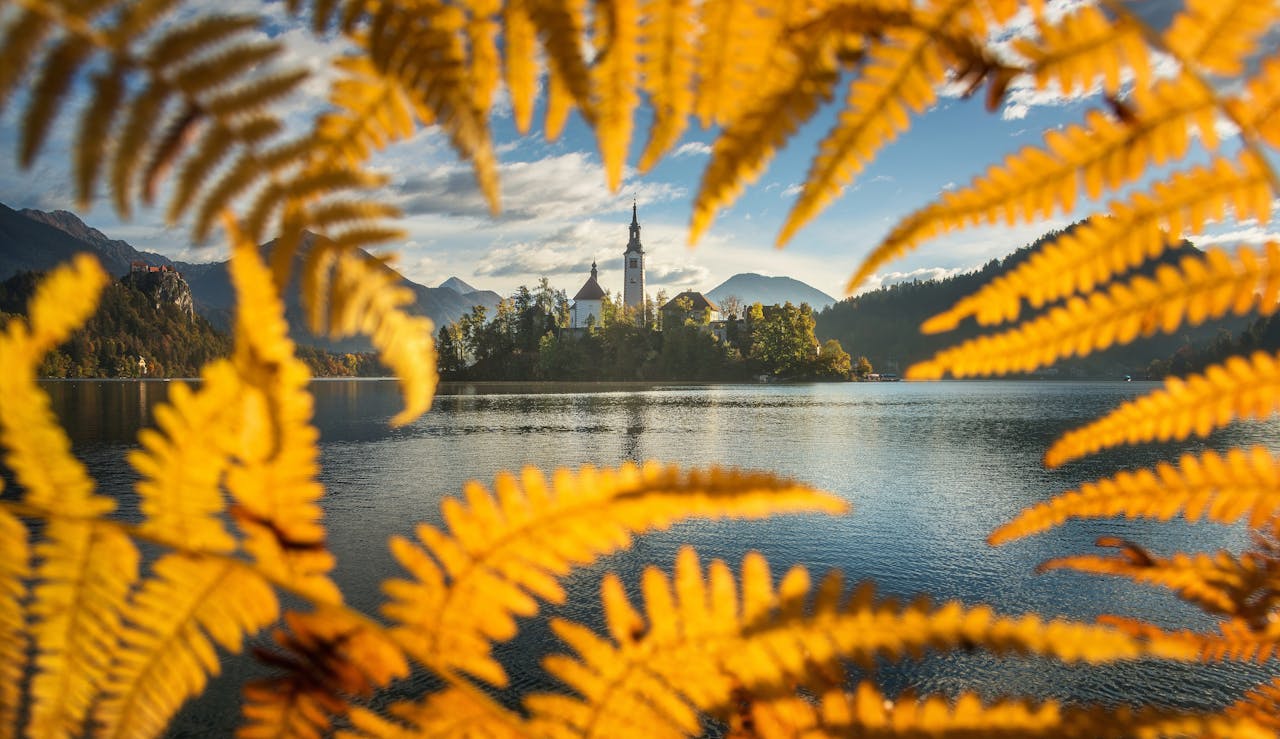
Bled is the image most people already know. It is scenic, accessible and easy to slot into a shorter trip, but it is also one of the busiest stops. It works best when you arrive early, stay overnight or use it as part of a wider route rather than a rushed day trip.
Soča Valley
The Soča Valley is one of Slovenia’s strongest regions if you want more than a standard city-and-lake route. It suits walking, rafting, scenic driving and travellers who want a more active outdoor base. Official Soča Valley tourism still markets the area around active holidays and nature-led travel.
Triglav National Park
Triglav National Park is where Slovenia’s alpine side becomes most obvious. It is the country’s only national park and remains one of the strongest reasons to choose Slovenia if hiking, mountain scenery and cleaner air are central to the trip. Official park guidance continues to stress careful planning and respectful travel inside the park.
Goriška Brda
If you want wine-country scenery and a slower section of the trip, this is one of the better options. It gives you a very different rhythm from Bled or Ljubljana and works well for longer lunches, cycling and lower-key travel.
How many days do you need in Slovenia?
A lot depends on whether you want one base or a proper loop.
| Trip length | What works well |
|---|---|
| 3 to 4 days | Ljubljana plus Bled |
| 5 days | Ljubljana, Bled or Bohinj, plus one outdoor region |
| 7 days | A balanced route with Ljubljana, a lake stop, Soča Valley and one extra base |
| 8 to 10 days | A fuller Slovenia trip with wine region or coast added |
For most first trips, five to seven days is the sweet spot. That gives enough time to avoid turning the country into a fast-moving checklist.
What is the best Slovenia itinerary for a first trip?
A good first route usually keeps the number of bases low and lets the scenery do the work.
Simple 5-day Slovenia route
| Day | Base | Focus |
|---|---|---|
| 1 | Ljubljana | Old town, riverfront, easy arrival day |
| 2 | Ljubljana / Bled | Move to Bled and explore the lake |
| 3 | Bled / Bohinj | Lake scenery, walking and slower pace |
| 4 | Soča Valley or Kobarid area | Outdoor activities and mountain routes |
| 5 | Return via Ljubljana | Final city time and departure |
Better 7-day Slovenia route
- 2 nights in Ljubljana
- 2 nights around Bled or Bohinj
- 2 nights in Soča Valley
- 1 final night in Ljubljana or a wine region
That version works better because it gives each part of the country enough space to feel distinct.
When is the best time to visit Slovenia?
Slovenia is flexible, but some seasons are clearly better than others depending on what you want.
| Season | Best for | Things to know |
|---|---|---|
| Late spring | Cities, hiking, mixed routes | Mild weather and greener landscapes |
| Summer | Lakes, outdoor activities, alpine travel | Strongest all-round season but busier |
| Early autumn | Wine areas, hiking, fewer crowds | Often one of the easiest times to go |
| Winter | City breaks and alpine stays | Better for snow than for broad touring |
If the point of the trip is the cool-cation effect rather than pure summer heat, late spring and early autumn are often stronger than the busiest high-season weeks.
Is Slovenia expensive?
Slovenia is not a bargain destination in every sense, but it is often better value than some neighbouring countries, especially if you compare it with more obvious alpine or northern Italian routes.
Typical daily budgets
| Budget style | Daily estimate | What that usually covers |
|---|---|---|
| Budget | €55 to €85 | Hostel or simple room, buses, lower-cost meals |
| Mid-range | €100 to €170 | Comfortable hotel, mixed dining, car hire or selected tours |
| Higher-end | €220+ | Boutique stays, premium dining and activity-heavy travel |
The places that climb fastest are Bled, prime summer stays and the more scenic lakefront hotels.
How do you get around Slovenia?
Slovenia is small enough that transport is less of a problem than in many other European trips, but the best option depends on your route.
Best ways to move around
- Car hire is best for a fuller route with Soča Valley, Bohinj or wine areas
- Buses and trains work reasonably well for Ljubljana, Bled and some larger links
- Walking and cycling work well inside Ljubljana and smaller scenic bases
- Private transfers or tours can help if you want to avoid driving on a short trip
If you are building the trip as part of a broader route, Austria Travel Guide and Croatia Travel Guide are the most relevant next reads on the site.
What should you prioritise in Slovenia?
The best Slovenia trips usually focus on a few things done well rather than trying to cover every region.
Best experiences for a first trip
- a few days in Ljubljana rather than a rushed stopover
- one lake base, ideally Bled or Bohinj
- one alpine or river valley section
- at least one slower scenic day with minimal driving
- a food or wine stop outside the main tourism pattern
This is a destination where variety helps more than volume.
Is Slovenia really sustainable, or is that just tourism branding?
The sustainability reputation is not coming from nowhere. Slovenia still pushes its national green tourism framework, and official tourism bodies continue to use that as a core part of the country’s travel identity. The Green Scheme of Slovenian Tourism remains a central national programme, and Slovenia’s tourism channels continue to highlight recognised destinations and sustainability-linked credentials.
That does not mean every trip is automatically low-impact, but it does mean the country has been more consistent than many others in making sustainability part of its travel offer.
Practical Slovenia travel tips for 2026
Slovenia travel tips that actually help
- book Bled early for peak summer
- keep Ljubljana in the route even if nature is the main priority
- do not overload the trip with too many one-night stops
- use Bohinj or Soča Valley if you want a calmer alternative to the busiest lake circuits
- bring proper layers even in summer if mountain weather is part of the trip
- treat Triglav National Park as a real outdoor environment, not a casual photo stop
For official planning, these are the most useful sources to check before travel:
Is Slovenia worth visiting now?
Yes, and probably more than when it was simply being talked about as a trend piece. The 2025 attention helped more people notice it, but the long-term value is in how well Slovenia fits modern travel habits: shorter routes, greener choices, active days, cooler landscapes and easier regional planning.
That is why it still works. It is not just a destination that had a moment. It is one that makes practical sense.
FAQs
Because it offered a more climate-friendly summer alternative to hotter, more crowded southern destinations, while still giving travellers scenery, outdoor activities and a strong overall trip.
Yes. It is compact, varied and relatively easy to plan, especially if you combine Ljubljana with one or two nature-based stops.
Five to seven days is ideal for a first trip. That gives enough time for Ljubljana, a lake area and one more scenic region.
It can be mid-range, but it is often more manageable than some nearby alpine or Italian destinations.
Ljubljana, Lake Bled, Soča Valley, Triglav National Park and Goriška Brda are some of the strongest choices.
Yes. The booking spike was temporary news, but the underlying reasons people were drawn to Slovenia are still there.