










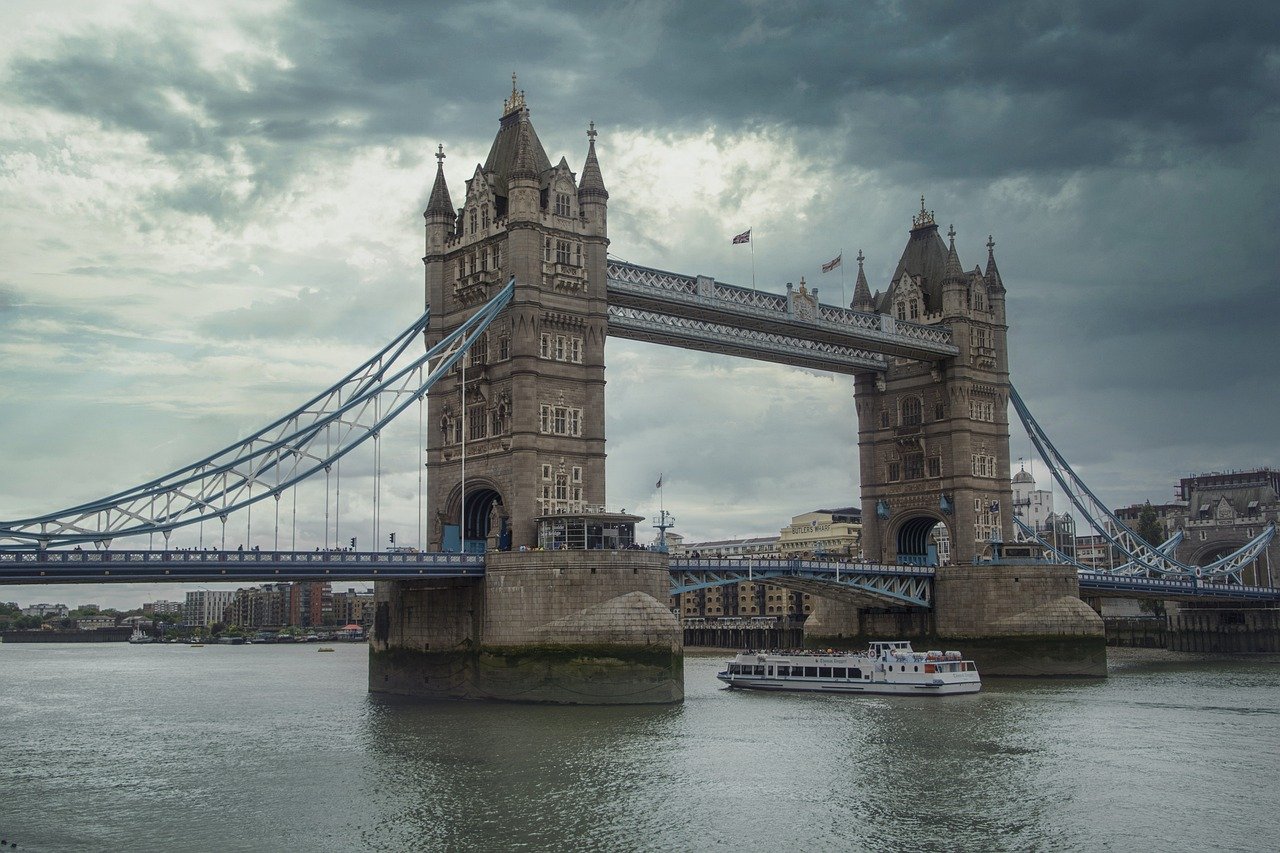
England looks easy to plan from a map. London is close to Oxford. Bath is not far away. York is only a train ride north. Cornwall, the Lake District and the Cotswolds all sound simple enough to add.
That is where many trips start to go wrong.
England is not difficult to travel around, but it rewards a route with a clear shape. A first visit works best when you choose one main city, one smaller historic place and one coast or countryside area if you have enough time. Trying to cover every famous name in one week usually means too many transfers and not enough time anywhere.
This England travel guide is built around practical choices: where to start, when to move on from London, which places pair well together, when you need a car, what costs catch visitors out and which stops are worth skipping on a shorter trip.
What should you know before visiting England in 2026?
Check entry rules before booking. Some visitors who do not need a visa for short UK stays may still need an Electronic Travel Authorisation. Use the official GOV.UK ETA page before travelling.
England is part of the United Kingdom, along with Scotland, Wales and Northern Ireland. For many visitors planning a wider Europe trip, London can pair naturally with Paris, Amsterdam, Dublin or Edinburgh by rail or short flight.
Is England worth visiting beyond London?
Yes. London is the most common first stop, but it is not the whole country.
England becomes more interesting when you add contrast. London gives you museums, theatre, markets and major landmarks. York gives you medieval streets and a compact historic centre. Bath gives Georgian architecture and Roman history. The Lake District gives scenery and walking. Cornwall gives coast, beaches and fishing towns.
The mistake is not visiting London. The mistake is only visiting London and expecting it to represent England.
A stronger first trip usually includes:
- London for the capital experience
- Bath, York, Oxford or Cambridge for a smaller historic city
- the Lake District, Cotswolds, Cornwall, Norfolk or Northumberland for countryside or coast
- one clear food, culture or walking focus so the trip does not feel generic
England has enough variety for several different destinations, but a first trip is usually better when it chooses fewer places properly.
England quick facts for visitors
| Travel point | What to know |
|---|---|
| Currency | Pound sterling |
| Main airports | London Heathrow, Gatwick, Stansted, Luton, Manchester, Birmingham, Bristol |
| Best first base | London |
| Best rail-friendly cities | London, York, Bath, Oxford, Cambridge, Liverpool, Manchester |
| Best car areas | Cotswolds, Cornwall, Devon, Lake District, Northumberland, Norfolk |
| Best first trip length | 7 to 10 days |
| Best months | May, June and September |
| Emergency number | 999 or 112 |
| Plug type | Type G |
Cards are accepted almost everywhere. Keep a little cash for rural car parks, small cafés, older markets and occasional local transport gaps.
Start with your arrival airport
Your airport should shape the route more than people realise. England has several useful entry points, and not every trip needs to start at Heathrow.
| Arrival airport | Best route logic |
|---|---|
| Heathrow | London, Bath, Oxford, Cotswolds |
| Gatwick | London, Brighton, south coast |
| Stansted | Cambridge, London, East Anglia |
| Luton | London, Oxford, Midlands |
| Manchester | Manchester, Liverpool, York, Lake District |
| Birmingham | Cotswolds, Oxford, Stratford-upon-Avon, north-south routes |
| Bristol | Bath, Cotswolds, Wales border, south-west England |
If you want London first, Heathrow and Gatwick are usually the easiest. If your main interest is northern England, Manchester can save time. If you want Bath, Bristol can work well. If you want Cambridge or East Anglia, Stansted may be useful.
Should you stay in London or move around England?
Stay in London for the whole trip if you have three or four days. Move around if you have a week or more.
London has enough for several days, but using it as a base for every trip can make travel inefficient. Bath, York, the Lake District and Cornwall all feel better when you stay overnight rather than treating them as rushed day trips.
| Trip length | Better choice |
|---|---|
| 2 to 4 days | Stay in one place, usually London |
| 5 to 6 days | London plus one overnight stop |
| 7 to 10 days | London plus two contrasting bases |
| 10+ days | Add countryside or coast properly |
| 14+ days | Consider England with Scotland, Wales or Ireland |
If you only have a long weekend, do not try to “see England”. Pick one city and do it well.
Best London plus one combinations
The easiest England route is London plus one place that feels different. This avoids constant moving but still gives you more than the capital.
| London plus one | Best for | Why it works |
|---|---|---|
| London and Bath | First-timers, couples, architecture | Easy by train, polished and walkable |
| London and York | History, pubs, medieval streets | Strong contrast with the capital |
| London and Oxford | Short trips, museums, colleges | Good day trip or one-night stay |
| London and Cambridge | Colleges, punting, compact city | Easy from London, calm pace |
| London and Brighton | Seaside, nightlife, easy travel | Simple train route and a different feel |
| London and Cotswolds | Villages and countryside | Better with a car or organised route |
For a full capital plan, use our London travel guide rather than trying to fit London into the England guide alone.
Which historic city should you choose?
Bath, York, Oxford and Cambridge are often the first choices outside London. They are all good, but they do different jobs.
Choose Bath for architecture and a calmer break
Bath is the best choice if you want Georgian streets, Roman history, independent shops and a tidy city that is easy to walk. It works well for couples and short breaks.
Bath pairs naturally with the Cotswolds, Bristol, Stonehenge or Oxford.
Choose York for history and atmosphere
York feels older and more enclosed than Bath. The walls, York Minster, narrow streets, old pubs and railway links make it one of England’s strongest short-stay cities.
York pairs well with the Lake District, Durham, Manchester, Liverpool or the Yorkshire coast.
Choose Oxford for a short cultural stop
Oxford is better as a day trip or one-night stop than a long base for most first-time visitors. The colleges, libraries, museums and riverside walks are the main appeal.
It pairs well with London, Bath and the Cotswolds.
Choose Cambridge for a slower east-side route
Cambridge is compact, elegant and good for punting, cycling and colleges. It works well from London or Stansted.
It pairs better with East Anglia, Norfolk or London than with western England.
If you are comparing city options, our guide to the most beautiful cities in the UK can help narrow the list.
Which countryside area should you choose?
England’s countryside varies a lot. Do not choose a rural stop just because it is famous. Choose it because it fits your transport and trip style.
| Countryside area | Choose it for | Watch out for |
|---|---|---|
| Lake District | Lakes, walking, big scenery | Long travel from London |
| Cotswolds | Villages, pubs, gentle countryside | Much easier with a car |
| Peak District | Walks, stone villages, central location | Buses can limit plans |
| Yorkshire Dales | Valleys, hiking, market towns | Car strongly helps |
| New Forest | Ponies, cycling, forest paths | Better with slow travel |
| Northumberland | Coast, castles, dark skies | Long distances between stops |
The Lake District is one of England’s strongest landscape areas, with lakes, valleys, walking routes and protected scenery. It suits a slower stay rather than a rushed day trip from London.
Lake District, Cotswolds or Cornwall?
These three are often added to England wish lists, but they do not suit the same trip.
| Place | Best for | Better trip style |
|---|---|---|
| Lake District | Walking, lakes, scenery | Northern England route |
| Cotswolds | Villages, pubs, short countryside stays | London, Oxford or Bath route |
| Cornwall | Beaches, surf, fishing towns | Longer coast-focused trip |
Choose the Lake District if scenery matters most. Choose the Cotswolds if you want villages and countryside close to southern cities. Choose Cornwall if you want the coast and have enough time to make the journey worthwhile.
Cornwall is not a casual add-on to a short London trip. It needs time.
Best coastal areas in England
England’s coast can be busy, wild, polished or quiet depending on where you go.
| Coast area | Best for | Works best with |
|---|---|---|
| Brighton | Easy seaside from London | Short trips |
| Cornwall | Beaches and fishing towns | Longer summer routes |
| Devon | Coast and countryside | South-west road trips |
| Norfolk | Wide beaches and birdlife | Slower east England trips |
| Northumberland | Castles and empty beaches | Northern road trips |
| Dorset | Cliffs and walking | South coast routes |
| Whitby and Yorkshire coast | Harbour towns and fish and chips | York-based trips |
If you only want a simple seaside day, choose Brighton. If you want a full coast holiday, Cornwall, Devon, Norfolk or Northumberland are stronger.
Can you travel around England without a car?
Yes, but choose the right places. England is very manageable by rail if you focus on cities and major towns.
Good no-car choices:
- London
- York
- Bath
- Oxford
- Cambridge
- Brighton
- Liverpool
- Manchester
- Bristol
- Durham
Places where a car helps:
- Cotswolds villages
- rural Cornwall
- parts of Devon
- Northumberland coast
- Yorkshire Dales
- remote Lake District valleys
- Norfolk villages and beaches
For live rail times and ticket planning, use National Rail. Advance tickets can save money on longer journeys, but they are tied to a specific date and train, so only book them when your plans are firm.
England route shapes that work
Main destination guides should help you choose a route shape, not map every day in detail. If you want a day-by-day plan after choosing the broad route, our itineraries section is the better place to continue.
Useful route shapes include:
| Route shape | Places that fit |
|---|---|
| Capital and historic city | London with Bath, York, Oxford or Cambridge |
| Capital and countryside | London with Cotswolds, New Forest or South Downs |
| Northern England | York, Lake District, Manchester or Liverpool |
| South-west England | Bath, Bristol, Devon or Cornwall |
| Coast and city | London with Brighton, Norfolk or Dorset |
| No-car England | London, York, Bath and Cambridge by train |
Two or three bases are usually enough for a first trip. More than that can make the journey feel like admin.
What should first-time visitors skip?
This depends on your route, but some places are worth skipping if they create too much travel time.
Skip Cornwall on a short London city break unless coast is the main point of the trip. It is too far to add casually.
Skip the Lake District as a day trip from London. Stay overnight or save it for a northern route.
Skip the Cotswolds without a transport plan. The villages look close together, but public transport can be limiting.
Skip Stonehenge if you are only adding it because you recognise the name. It works better with Salisbury, Bath or a wider south-west route.
Skip extra London day trips if you have not given the city enough time. London itself can fill several days.
What should you book ahead in England?
Book ahead where timing, price or availability matters.
Useful things to book early include:
- London hotels
- long-distance train tickets
- theatre tickets
- Stonehenge tickets
- popular Bath weekends
- Lake District summer stays
- Cornwall summer accommodation
- Christmas market hotel stays
- football match tickets
- restaurant bookings for weekends
Stonehenge is managed by English Heritage, and current visitor information should be checked before planning around it. Use the official Stonehenge site for opening times, tickets and special access updates.
How much does England cost in 2026?
England can be expensive, especially in London, during summer and around major events. Accommodation and trains are usually the biggest costs.
| Budget style | Daily estimate per person | What it usually means |
|—|—|
| Budget | £70 to £110 | Hostel or simple room, supermarkets, buses, free sights |
| Mid-range | £140 to £240 | Comfortable hotel, trains, pub meals, some paid attractions |
| Higher-end | £300+ | Central hotels, taxis, theatre, better restaurants |
London is usually the most expensive part of the trip. York, Liverpool, Manchester and smaller cities can offer better value.
Costs that catch visitors out
The headline cost of England is not always the problem. The smaller planning mistakes often raise the budget.
Watch for:
- booking trains late
- staying too centrally in London when a cheaper well-connected area would work
- using taxis for journeys that public transport handles well
- visiting Cornwall or the Lake District without allowing enough nights
- paying peak Saturday hotel rates in Bath, York or the Cotswolds
- booking rural accommodation without checking dinner options
- forgetting theatre, football and attraction tickets can vary widely in price
England can be done sensibly, but last-minute planning is rarely cheap.
How to save money in England
Simple choices make a difference.
- Book trains early for longer trips.
- Stay near transport rather than directly beside major attractions.
- Use free museums in London.
- Mix pub meals with supermarket lunches.
- Travel in May, June, September or October instead of peak summer.
- Compare trains and coaches on longer routes.
- Avoid changing hotel every night.
- Check railcards if you are eligible.
- Book theatre and major attractions ahead if prices vary.
- Use buses in cities rather than taxis.
Best time to visit England
England has no perfect weather month, but some periods are easier than others.
| Time of year | Best for | Watch out for |
|---|---|---|
| March to May | Gardens, cities, countryside | Changeable weather |
| June | Long days, walking, city breaks | Higher prices starting |
| July to August | Coast, festivals, school holidays | Crowds and expensive hotels |
| September | Cities, countryside, coast | Shorter evenings later in month |
| October | Autumn colour, museums, lower crowds | Rain and cooler days |
| November to February | London, York, Christmas markets | Short days and colder weather |
For most visitors, May, June and September are the easiest months. July and August are best for coast and countryside, but prices rise in popular areas.
How weather should shape your route
Weather matters more in England than many people expect.
For spring, choose London, Bath, Oxford, Cambridge, gardens and historic cities. Countryside works well, but keep a rain plan.
For summer, coast and national parks make more sense. Cornwall, Norfolk, Devon, the Lake District and Northumberland are better when days are longer.
For autumn, York, Bath, the Cotswolds and the Lake District can be excellent. Expect mixed weather and shorter evenings.
For winter, focus on London, York, Manchester, Liverpool and festive markets. Rural trips need more planning because daylight is limited.
What should you eat in England?
England’s food is much better than old jokes suggest. The best meals are often simple: a good pub lunch, fish and chips by the sea, a market hall meal in a city, or a Sunday roast.
Try:
- Sunday roast
- fish and chips
- steak and ale pie
- Cornish pasty
- full English breakfast
- afternoon tea
- sticky toffee pudding
- regional cheeses
- curry in Birmingham, Manchester or London
- market food in larger cities
- seafood in Cornwall, Devon or Northumberland
Food can also help shape the route. Cornwall works well for seafood and pasties, London for global restaurants and markets, York for pubs and tea rooms, and Manchester or Birmingham for stronger city food scenes.
Best England routes for couples
England works well for couples when the route has contrast and enough downtime.
Good pairings include:
| Route | Why it works |
|---|---|
| London and Bath | Easy, classic, good for first-timers |
| York and Lake District | History plus scenery |
| Oxford and Cotswolds | Architecture, villages and pubs |
| Liverpool and Manchester | Music, nightlife and football |
| Cornwall road trip | Coast, food and slower days |
| London and Brighton | Simple city and seaside mix |
A stronger couples’ trip usually has fewer bases and better evenings. Do not spend every day moving.
Where should you stay in England?
Choose the base by the job it needs to do.
London
Stay in London for museums, theatre, markets, major landmarks and transport. Choose the area carefully because crossing the city can take longer than expected.
Bath
Bath is good for a polished short break, Georgian streets, Roman history and easy walking.
York
York is one of the best northern bases for a compact historic stay.
Lake District
Choose the Lake District for walking, lake views and slower days. Windermere, Ambleside and Keswick are common bases.
Cornwall
Cornwall suits summer coast trips, but stay longer than two nights if you are travelling from London.
Liverpool or Manchester
Both work well for a city break. Liverpool is strong for music and waterfront walks. Manchester is better for nightlife, football, food and onward train links.
If you are looking at England for study or a longer stay rather than a short break, our guide to the best student cities in England is a better fit.
What to pack for England
Pack for mixed weather, even in summer.
Useful items include:
- waterproof jacket
- comfortable walking shoes
- light layers
- small umbrella
- plug adapter if travelling from abroad
- day bag
- reusable water bottle
- smart-casual outfit for theatre or restaurants
- warmer layer for coast or countryside
- offline tickets and rail apps
Do not pack only for sunshine in July or August. Rain is possible year-round.
Is England safe?
England is generally safe for visitors on normal city, coast and countryside routes.
The most common issues are practical:
- phone theft in busy city areas
- pickpockets on crowded transport
- rail delays
- wet steps and uneven pavements
- rural paths becoming muddy
- expensive taxis after late events
- traffic direction confusion for visitors from right-driving countries
In an emergency, call 999 or 112.
Common England travel mistakes
Avoid these if you want a smoother trip:
- spending the whole trip in London and saying you have seen England
- adding too many cities in one week
- booking trains too late
- hiring a car for London
- underestimating travel time to Cornwall
- treating the Lake District as a quick day trip from London
- ignoring Sunday and bank holiday transport changes
- booking rural stays without checking food and bus options
- assuming every castle, museum or stately home opens daily
- trying to visit Scotland, Wales and England in one short week
England is not a country to rush just because it looks compact. The best trips have a clear reason for each stop.
Choose London for the capital. Choose Bath or York for a smaller historic city. Choose the Lake District for scenery, Cornwall for coast, the Cotswolds for villages, Liverpool for music or Manchester for a stronger city break outside the south.
On VayCay Couple, we would plan England with fewer stops, better bases and more time for the small details: a pub lunch, a train ride, a quiet street, a coastal walk or a museum you did not rush through. That is where the trip starts to feel like England, not just a list of names.
FAQs
May, June and September are often the easiest months for a balanced trip with decent weather and manageable crowds.
It can be, especially in London, but careful planning makes a big difference. Transport and accommodation are usually the biggest costs.
No, not for many first-time routes. London, York, Bath and Oxford work well by train. A car is more useful for countryside regions and coastal routes.
A week is enough for a first trip with two or three stops. Ten days or more gives you a much better balance of city and countryside.
A strong first route is London for a few days, then Bath or York for a different pace, with one countryside or coast stop if you have enough time.
For most first-time visitors, trains are the simplest way to move between major cities, with walking and local public transport covering the rest.