









For most of February 2026, photographs of Lahore showed people looking up. Paper kites covered the sky above the old city, families gathered on rooftops and motorcycle riders moved through the streets with metal safety rods fixed to the front of their bikes. Basant had returned after an absence of almost two decades.
The spring festival took place from 6 to 8 February under new rules introduced by the Punjab government. Kite flying had been banned after deaths and serious injuries linked to metal and glass-coated strings, along with falls from crowded rooftops. Its return brought back a much-loved Lahore tradition, but only under close supervision.
The revival also gave travellers a new reason to consider the city during the cooler months. Anyone looking at tickets to Pakistan for a future Basant should wait for confirmed dates and official regulations before arranging a trip. The 2026 event was approved specifically for Lahore, and its success does not guarantee that the same arrangements will apply every year.
Basant belongs on the rooftops
Lahore has plenty of public monuments, but Basant is best understood from a private rooftop. The festival developed around families and neighbours climbing above the narrow streets to fly kites, watch contests and share food as winter began to give way to spring.
Kite fighting is central to the occasion. Flyers try to cut an opponent’s string using quick changes of tension and direction. When a kite breaks loose, people on nearby roofs call out and children often chase the falling paper through lanes and courtyards.
In 2026, the first kites went up as the festival began at midnight. Daylight brought a denser sky and larger gatherings. Some rooftops hosted catered parties, while many families celebrated at home with relatives and neighbours. The view differed sharply between parts of the city, but the habit of looking upwards was shared.
Yellow clothing is traditionally associated with Basant and the arrival of spring. Shops and markets leaned into the colour in the weeks before the festival, selling scarves, clothes and decorations alongside stacks of paper kites.
For visitors, access was not as simple as arriving in the old city and choosing a roof. Many gatherings were private, and larger rooftop events had to meet official requirements. Booking through a hotel, registered event organiser or a trusted local contact was the most practical route.
The ban changed how the festival could return
Basant disappeared from Lahore because kite fighting had become dangerous. Competitive flyers increasingly used string coated with powdered glass or made with metal, making it stronger and better able to cut rival lines. Loose string could fall across roads and strike motorcycle riders or pedestrians.
The consequences were severe. Fatal injuries led to a ban in 2005, followed by years of attempted enforcement and debate over whether the festival could ever return safely. Rooftop falls, aerial gunfire and overloaded electrical lines added to the risks.
The 2026 revival therefore depended on restrictions that reached every part of the kite trade. Manufacturers and sellers had to register, while authorised kites and cotton string could be tracked. Metallic, nylon, chemical and glass-coated strings remained prohibited.
Motorcyclists were required to fit tall metal rods to their bikes to deflect loose string. Helmets were compulsory for riders and passengers in designated areas, and motorcycles without protective rods faced restrictions in higher-risk zones.
The government declared public holidays to reduce traffic, arranged free transport and divided Lahore into zones for monitoring. Police used drones and rooftop inspections to check compliance. Aerial firing and unsafe roof gatherings were also banned.
These measures changed the atmosphere without removing the point of the festival. Kites still fought above the city, but the materials and spaces used for the contests were subject to rules intended to prevent the injuries that caused Basant to disappear.
The old city carried the strongest memories
Basant has always been closely associated with the Walled City, where flat rooftops sit tightly together and provide long views over Lahore’s historic centre. Places around Mochi Gate, Bhati Gate and Delhi Gate have a close physical relationship with the festival. A kite can pass over several homes within seconds, and voices travel easily between roofs.
The old city also has the food needed for a long day outdoors. Breakfast might begin with halwa puri, chickpeas and lassi before the first serious round of kite flying. Later meals often include biryani, kebabs, fried fish or large pots of meat curry prepared for groups.
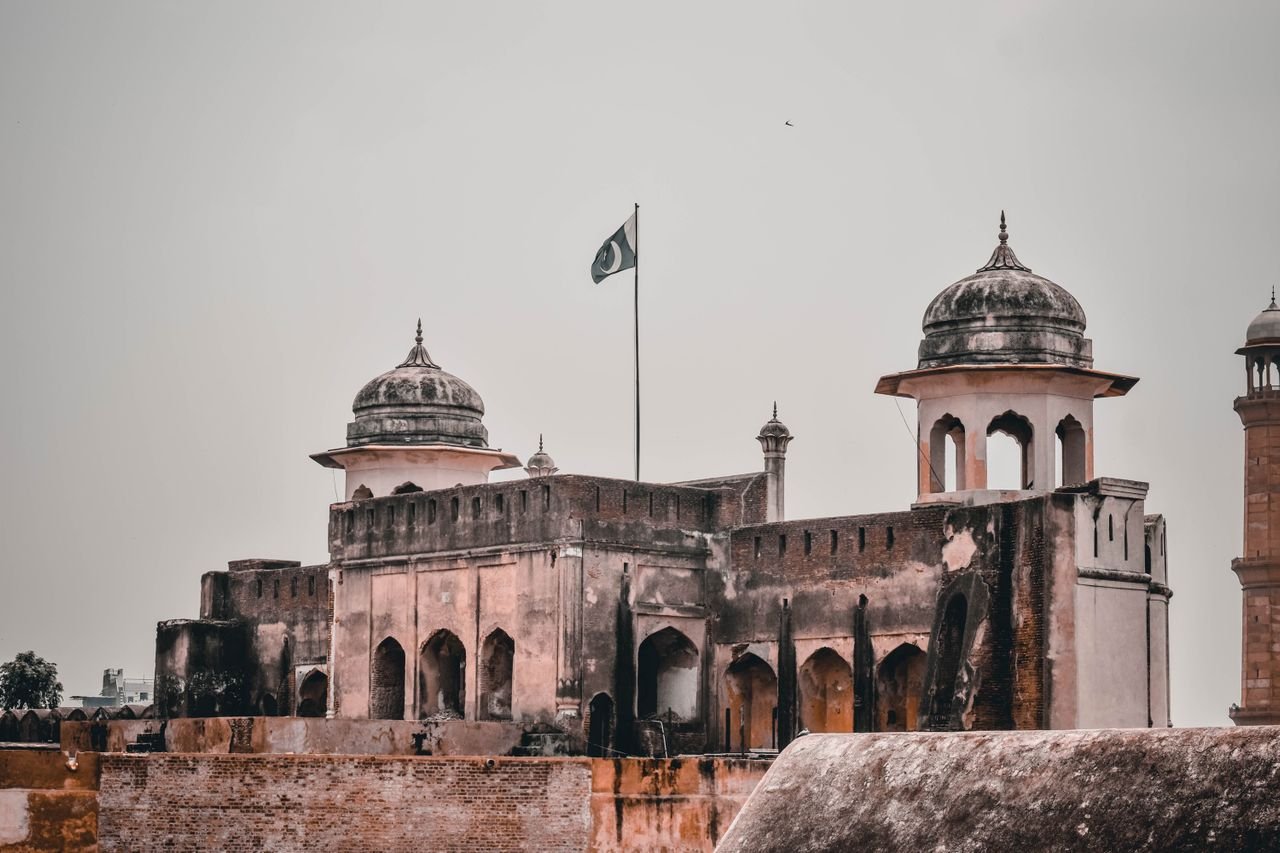
Food Street near Fort Road gives visitors an accessible view across the Badshahi Mosque and Lahore Fort, although its polished restaurants offer a different experience from a family rooftop. During a major celebration, both settings have value. One provides a recognisable city view, while the other shows how the festival operates within ordinary domestic life.
Visitors should remember that rooftops in the Walled City vary in condition. A high wall, safe stairway and controlled guest numbers matter more than an uninterrupted view. The 2026 rules held property owners responsible for safety, particularly where larger groups were involved.
Kite makers returned to work
The festival’s return mattered to the people who make and sell kites. The long ban had pushed many craftspeople out of the trade or reduced kite making to a small, uncertain business.
A traditional kite looks simple, but its balance depends on thin bamboo, light paper and careful placement of the frame. A poorly made kite twists or drops. An experienced maker adjusts the curve and weight according to the size and intended flying conditions.
Registration rules in 2026 allowed authorised manufacturers and sellers to resume work legally. Kites and string were sold through approved outlets, creating a traceable supply chain intended to keep hazardous materials away from rooftops.
Travellers buying a kite needed to use those registered sellers rather than informal roadside sources. Apart from being a legal requirement, the system gave buyers a better chance of purchasing approved materials from people whose livelihoods depend on the craft continuing.
The same care should apply when photographing workshops. Kite makers are working, not performing. Asking permission and buying directly, without bargaining aggressively over small sums, keeps the exchange respectful.
A festival weekend needs a different Lahore itinerary
Basant is not the time for an ambitious sightseeing schedule. Roads become busy, access arrangements change and much of the day is spent waiting for the right wind or watching the activity overhead.
Lahore Fort and the Badshahi Mosque are still worth visiting, but they fit better before the main celebrations begin or on a separate day. The Wazir Khan Mosque, Shahi Hammam and the lanes around Delhi Gate can also be combined with a guided walk when the streets are manageable.
Accommodation should be chosen with transport in mind. Staying near the Walled City gives quicker access to historic areas, though traffic and noise may continue late. Hotels in Gulberg or elsewhere in modern Lahore offer a quieter base but require more time on the road.
February weather is generally cooler than the punishing summer months, yet rooftop conditions can change during the day. Sun protection, a warm layer for the evening and shoes suitable for stairs are more useful than formal festival clothing.
Travellers should also check local guidance shortly before leaving the hotel. The 2026 event involved restricted areas, traffic controls and rules around airport flight paths. A host who ignores those regulations is not offering an exclusive experience. They are exposing guests and residents to unnecessary risk.
The next Basant will depend on safety
The 2026 festival was both a celebration and a test. Lahore recovered a tradition that many residents had not experienced since childhood, while younger people saw Basant legally for the first time.
Whether it can continue will depend on what happens after the photographs fade. Registered cotton string, safe rooftops and traffic controls are less romantic than tales of old Lahore, but without them the festival risks another ban.
Visitors have a role in that outcome. Booking approved events, refusing unsafe materials and accepting a crowded but secure rooftop supports the version of Basant that Lahore can keep. The festival’s future rests on making sure a kite cut from its string ends with a cheer, not an ambulance siren.