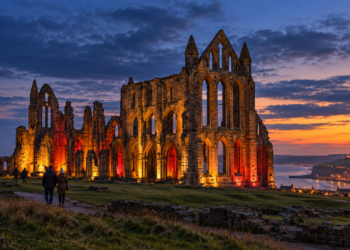










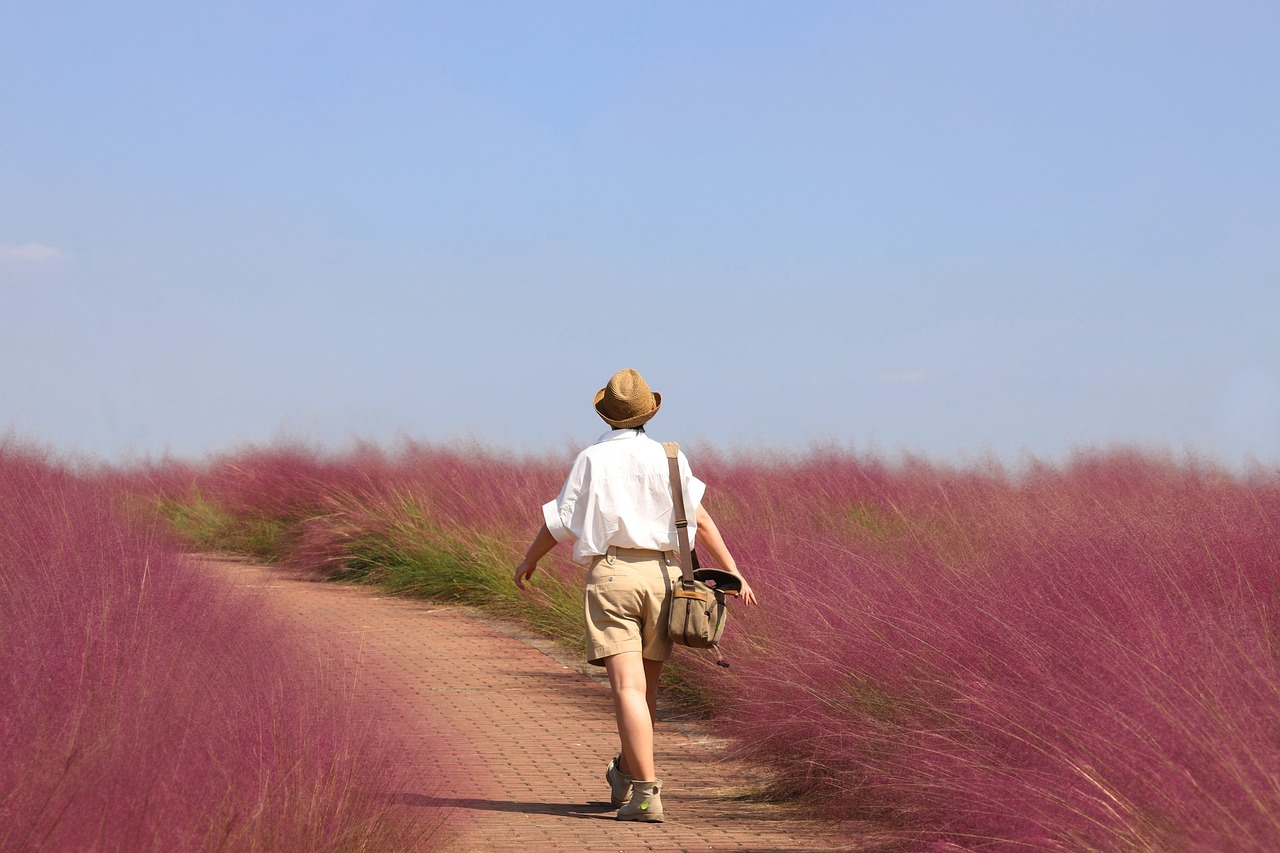
A travel lifestyle is not about being permanently on holiday, quitting everything overnight, or pretending every week can look like a postcard. In practice, it means shaping your time, money and decisions so travel becomes a regular part of life rather than a once-a-year escape.
That looks different for different people. For some, it means taking more frequent city breaks and using annual leave better. For others, it means working remotely, travelling for longer periods, or choosing lifestyle habits that leave more room for movement, flexibility and new places. The point is not to copy someone else’s setup. It is to create a version of travel that actually fits your life.
If you want broader inspiration on destinations and trip planning, you can also browse the VayCay Couple homepage.
What does a travel lifestyle actually mean?
A travel lifestyle is simply a way of living that makes travel a regular part of your routine instead of an occasional reward. It is less about constant movement and more about consistency.
That might mean:
- planning several shorter trips instead of one large holiday
- building remote work into your routine
- spending less on things at home so you can travel more often
- choosing destinations that match your budget and time
- treating travel as part of your normal priorities, not an afterthought
The biggest misconception is that a travel lifestyle only applies to full-time travellers. It does not. Many people build one while working standard jobs, studying, raising families or managing tight budgets.
Why do people want a travel lifestyle?
For most people, the appeal is not really about airports or hotel rooms. It is about variety, perspective and using time differently.
A travel lifestyle can give you:
| Benefit | What it looks like in practice |
|---|---|
| More variety | Breaking routine with regular new places and experiences |
| Better use of time | Using weekends, leave and remote work more intentionally |
| Personal growth | Learning how to adapt, navigate and make decisions more confidently |
| Stronger cultural awareness | Spending more time in places rather than rushing through them |
| Better trip quality | Planning smarter instead of relying on one overloaded annual holiday |
The important thing is to keep the idea grounded. Travel can improve your life, but only when it is built on something sustainable.
How do you start building a travel lifestyle?
The best way to start is not with a dramatic change. It is with a realistic audit of your current habits.
Ask yourself:
- how much time can I actually take away each year?
- how much can I spend without creating problems later?
- what kind of travel do I enjoy enough to repeat?
- what usually stops me from going more often?
- do I want shorter trips, longer stays or both?
Once those answers are clearer, the travel lifestyle becomes easier to shape.
What are the foundations of a realistic travel lifestyle?
Most sustainable travel routines come down to the same few basics.
1. Better time planning
Travel becomes more frequent when you stop thinking only in terms of one long holiday. A long weekend, a four-night break, or a trip built around public holidays can add up quickly across a year.
2. Smarter budgeting
You do not need unlimited money, but you do need a clear system. Travel usually becomes realistic when it is given its own category in your monthly planning rather than being left to chance.
3. Flexible destination choices
People who travel more regularly are often less rigid about where they go. Flexibility on season, airport, trip length and destination type usually creates better value.
4. Lower-friction routines
Travel gets easier when you reduce the effort around it. Keeping a ready packing list, travel adapters, basic toiletries and organised documents saves more time than people think.
How much does a travel lifestyle cost?
That depends entirely on the version you want. A travel lifestyle built on budget flights and shorter European trips looks very different from one based on long-haul stays and boutique hotels.
Typical travel lifestyle models
| Style | What it usually involves | Cost level |
|---|---|---|
| Occasional but regular | Several short breaks each year | Lower to mid |
| City-break focused | Rail and short-haul trips with flexible dates | Mid |
| Remote-work travel | Longer stays with work built in | Mid to high |
| Luxury-light | Fewer trips, but better hotels and slower travel | Mid to high |
| Long-term nomadic | Continuous or semi-continuous travel | Highly variable |
The most useful question is not “How much does travel cost?” It is “What kind of travel can I repeat without damaging the rest of my life?”
How can you afford to travel more often?
This is usually where the travel lifestyle either becomes real or stays theoretical.
A few habits make the biggest difference:
- set up a separate travel fund
- book around price windows, not just ideal dates
- travel outside peak periods when possible
- mix high-cost destinations with lower-cost ones
- avoid paying extra for convenience you do not actually need
- use points, loyalty schemes or discounts when they genuinely save money
- stop treating every trip like a special-occasion spend
The goal is not to strip all pleasure out of travel. It is to make the spending repeatable.
Is luxury travel possible on a normal budget?
Sometimes, yes, but usually by travelling differently rather than spending recklessly.
You can often improve the quality of a trip by focusing on:
- off-peak travel dates
- smaller boutique stays instead of headline luxury hotels
- destinations where your money stretches further
- one or two upgraded experiences rather than upgrading everything
- loyalty rewards and member pricing
Luxury does not always mean five-star everything. Often it means a better room, a better location, or a trip with fewer compromises.
How do you make travel fit around work or study?
This is one of the biggest barriers, but it is also where better planning pays off.
If you work full-time
Look for ways to stack leave around bank holidays, travel off-peak, and use shorter trips more efficiently.
If you work remotely
Longer stays become more realistic, but only if the destination has workable internet, manageable time zones and a routine that supports actual work.
If you are studying
A student travel lifestyle usually depends on lower-cost accommodation, flexible routes and making the most of quieter periods in the academic calendar. If that applies to you, best student cities in England may also help with the lifestyle side of balancing place, cost and routine.
What kind of trips work best for a travel lifestyle?
Not every trip style is easy to repeat.
The most sustainable travel lifestyle usually includes a mix of:
| Trip type | Why it works |
|---|---|
| Weekend breaks | Easy to fit around normal schedules |
| 4 to 5-night trips | Long enough to feel worthwhile without needing major leave |
| Shoulder-season breaks | Better prices and fewer crowds |
| One longer annual trip | Gives you space for a more ambitious destination |
| Slow stays | Reduces constant moving and planning fatigue |
This mix tends to work better than chasing only big, expensive trips.
How do you travel more sustainably?
A travel lifestyle needs some balance. If you travel regularly, it is worth making the way you travel more thoughtful rather than simply more frequent.
Better sustainable habits
- stay longer in one place instead of rushing between too many
- use trains where they make practical sense
- support local businesses rather than only international chains
- pack reusable basics such as bottles and shopping bags
- avoid overbooking activities that add little value
- choose accommodation with clear sustainability practices when possible
Sustainability does not need to become a performance. It just needs to be part of how you plan.
How do you get more from each place you visit?
A richer travel lifestyle usually comes from depth, not volume. Going somewhere often is one thing. Actually engaging with a place is another.
Some of the easiest ways to improve the quality of your trips are to:
- learn a few useful words before you arrive
- spend time in neighbourhoods, not only at major sights
- eat local food beyond the most obvious tourist menus
- use markets, cafés and public transport as part of the experience
- leave some space in the itinerary for unplanned time
For destination-specific planning, it often helps to anchor this lifestyle thinking in real trips. Our Europe destination hub is a good starting point if you want ideas that are easier to turn into frequent breaks.
What should you pack if you travel often?
Frequent travel becomes easier when your packing system stops changing every time.
Useful essentials for repeat travel
- one reliable cabin bag or travel backpack
- a permanent toiletries kit
- a universal adapter
- charging cables kept in one pouch
- a reusable water bottle
- lightweight layers that work across seasons
- a saved checklist on your phone
The more standardised your setup becomes, the less stressful each trip feels.
Can family travel fit into a travel lifestyle?
Yes, but it needs a more realistic definition. A family travel lifestyle is less about constant movement and more about choosing trips that work for everyone without turning each break into logistical chaos.
That usually means:
- shorter direct journeys where possible
- accommodation with enough space
- slower daily pacing
- flexible plans rather than rigid timetables
- accepting that the trip will not look like a couple’s trip or solo trip
It still counts. It is just a different shape.
Can pet owners or students build a travel lifestyle too?
They can, but the system needs to fit the restriction rather than ignore it.
For students
Travel works best when it is tied to academic breaks, budget accommodation and shorter routes.
For pet owners
The travel lifestyle often depends on pet-friendly accommodation, reliable local rules, and deciding when your pet should come with you and when they should not.
A good travel lifestyle is not about pretending constraints do not exist. It is about designing something workable around them.
What mistakes stop people from creating a travel lifestyle?
A few problems come up repeatedly.
Most common mistakes
- waiting for a perfect moment that never comes
- spending too much on one trip and then not travelling again for a year
- copying someone else’s travel style without checking whether it fits
- trying to visit too many places too quickly
- treating every trip as a major event instead of a normal part of life
- ignoring burnout, tiredness or budget fatigue
Consistency matters more than intensity.
What does a fulfilling travel lifestyle look like over time?
Over time, the best travel lifestyles usually become calmer, not more extreme. People often start by chasing volume, then realise the better version is more selective.
A fulfilling travel lifestyle often includes:
| Early stage | Later, more sustainable version |
|---|---|
| Chasing constant movement | Choosing better trips with more intention |
| Overpacked itineraries | Slower stays and clearer priorities |
| Booking around excitement only | Balancing excitement with value and timing |
| Trying to see everything | Accepting that not every place has to be done now |
| One-size-fits-all travel | A routine built around your actual life |
That shift is usually what makes travel feel enriching rather than draining.
Is a travel lifestyle really worth it?
Yes, if you build one that is realistic.
The point is not to turn life into one long airport lounge. It is to make room for more curiosity, better use of time, and a more deliberate relationship with where and how you spend your money. Done badly, a travel lifestyle becomes expensive, tiring and performative. Done properly, it becomes one of the best ways to make everyday life feel broader and more interesting.our next adventure, and let each journey shape your life.
A travel lifestyle is a way of living that makes travel a regular and realistic part of life rather than a once-a-year holiday.
No. Many people build one through shorter trips, smarter leave planning and flexible budgeting.
It can be, but it does not have to be. The cost depends on your trip style, frequency and planning habits.
Start by reviewing your time, budget and destination habits, then build a repeatable system rather than relying on spontaneous one-off trips.
Yes. It usually means slower, more practical trips built around comfort, flexibility and realistic expectations.
Trying to make travel look impressive rather than making it sustainable enough to continue.