








Petra is one of the most memorable places in the Middle East. The first walk through the Siq, the sudden view of the Treasury, the climb to the Monastery and the colour of the rock at sunset all make it feel unlike anywhere else.
It is often described as romantic, but Petra does not need invented love stories to feel special. The setting is enough. This is a vast ancient city carved into rose-coloured sandstone, with tombs, temples, steps, caves, viewpoints and long desert paths.
For couples, Petra works best when it is treated as a full journey rather than a quick photo stop. You need time, water, decent shoes and a plan that leaves space to take it in properly.
What is Petra?
Petra is an ancient city in southern Jordan, close to the modern town of Wadi Musa. It was once the capital of the Nabataean Kingdom, a powerful trading civilisation that controlled routes linking Arabia, Egypt, Syria and the Mediterranean.
The city is famous for its rock-cut buildings, especially the Treasury, but Petra is much larger than one monument. Inside the archaeological site, you will find carved tombs, temples, water channels, stairways, viewpoints and long walking trails.
Petra has been a UNESCO World Heritage Site since 1985. The official UNESCO Petra listing is useful if you want more historical background before visiting.
Why is Petra called the Rose City?
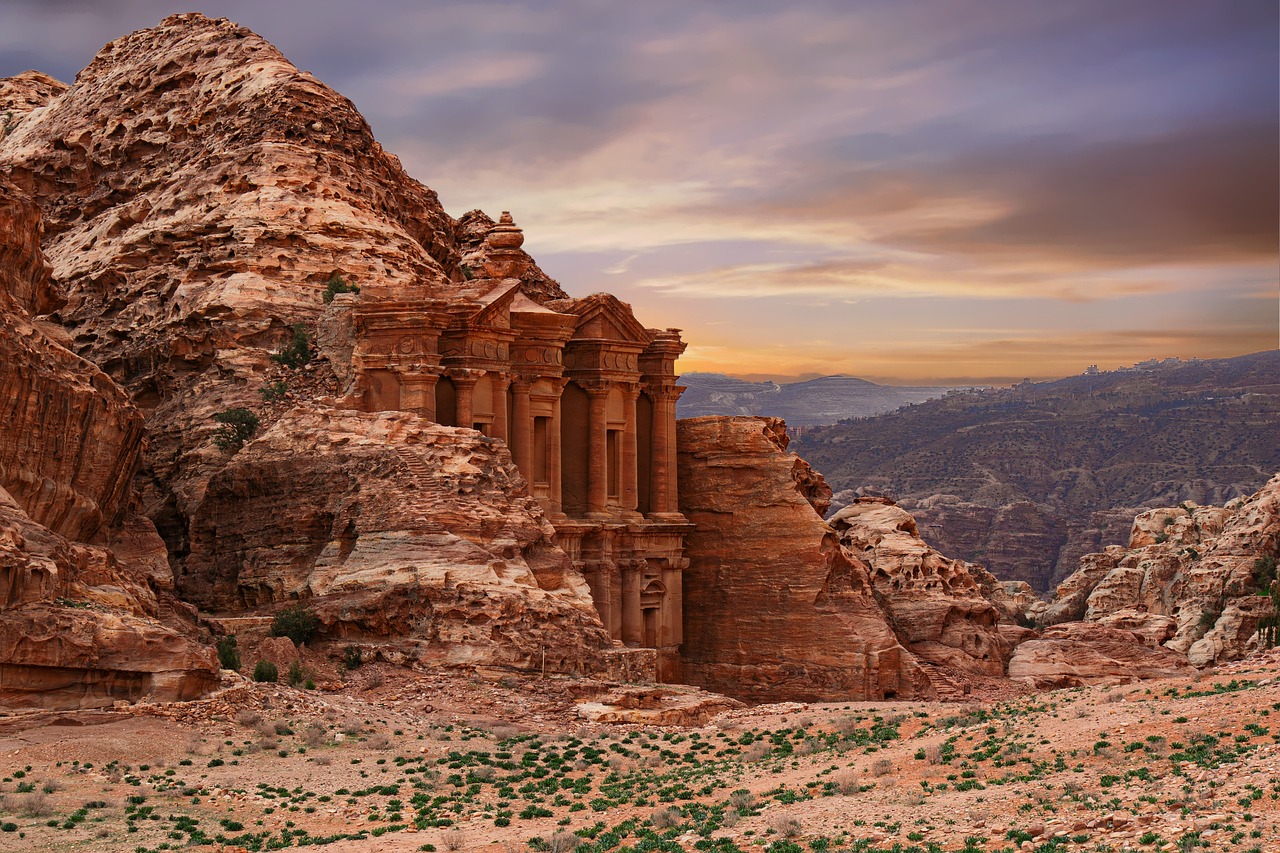
Petra is called the Rose City because of the colour of its sandstone. The rock changes through the day, moving between pink, red, orange, gold and purple depending on the light.
Early morning and late afternoon are the best times to see those colours clearly. Midday light is harsher, and the heat can make walking more tiring.
The name is part of Petra’s appeal for couples, but the real reason to visit is the mix of history, landscape and silence once you move beyond the busiest areas.
Is Petra good for couples?
Yes, Petra is a strong couples’ destination if you enjoy active travel. It is not a soft resort break, but it can be one of the most rewarding places to visit together.
Petra works well for couples who enjoy:
- early starts
- long walks
- ancient history
- desert views
- photography
- shared challenges
- slow travel
- memorable hotels or camps nearby
It is less suitable if you want short walks, easy transport between every sight or a very relaxed schedule. Petra is dusty, uneven and physically demanding in places.
How many days do you need in Petra?
Two days is the best amount of time for most first-time visitors. One day is possible, but it often feels rushed.
| Time in Petra | What you can realistically do |
|---|---|
| Half day | Siq and Treasury only |
| One day | Treasury, Royal Tombs, main trail and some viewpoints |
| Two days | Main sights, Monastery, Petra by Night and a slower pace |
| Three days | Extra hikes, quieter viewpoints and Little Petra |
For couples, two nights in Wadi Musa is usually a good choice. It gives you one full day inside Petra, time for Petra by Night if it is running, and a second chance to visit without rushing.
When is the best time to visit Petra?
The best time to visit Petra is spring or autumn. The weather is usually better for walking, and the light is good for photography.
| Season | What to expect | Best for |
|---|---|---|
| March to May | Mild to warm days | First visits, hiking, longer routes |
| June to August | Very hot | Early starts only |
| September to November | Warm but easier than summer | Couples’ trips and longer walks |
| December to February | Cooler, possible rain and cold nights | Lower crowds and flexible plans |
Summer can be hard because much of Petra is exposed. If you visit in hotter months, start early, rest at midday and keep the Monastery hike for the coolest part of the day.
How do you get to Petra?
Most visitors reach Petra through Wadi Musa, the town next to the archaeological site.
Common routes include:
| Route | Best for | Notes |
|---|---|---|
| Amman to Petra | First-time Jordan trips | Around 3 hours by car, depending on route |
| Dead Sea to Petra | Jordan road trips | Good if adding a slower stop before Petra |
| Wadi Rum to Petra | Desert and history route | One of the best combinations in Jordan |
| Aqaba to Petra | Red Sea and Petra trips | Useful for southern Jordan |
| Organised tour | Short trips | Easier, but less flexible |
Private drivers and organised transfers are common. Public buses can work, but they need more planning and may not suit a short couples’ trip.
Petra often fits naturally into a wider Jordan route with Wadi Rum, the Dead Sea and Aqaba. If you are comparing Jordan with other regional trips, our Middle East guides can help you see how Petra sits alongside other historic and desert destinations.
Do you need a ticket for Petra?
Yes, you need a ticket to enter Petra during the day. Some visitors use the Jordan Pass, which can include Petra entry and may also help with visa costs depending on your nationality and stay length.
Petra by Night is a separate evening experience and is not the same as daytime entry. Check official ticket information through Visit Petra or the Petra ticketing site before you travel, as prices and access rules can change.
What are the main places to see in Petra?
Petra is large, so it helps to know the main route before you arrive. The Treasury is the famous image, but the site continues far beyond it.
The Siq
The Siq is the narrow canyon entrance into Petra. It is not just a walkway. It is one of the best parts of the visit.
The rock walls rise high above you, the path bends slowly, and the light changes as you move through the canyon. Look closely at the sides of the route and you can see traces of channels and carvings.
The first view of the Treasury at the end is still the moment most people remember.
The Treasury
The Treasury, or Al-Khazneh, is Petra’s most famous monument. It is carved directly into the sandstone cliff and appears suddenly as you leave the Siq.
Despite its name, it was not a treasury in the usual sense. It is widely understood as a major tomb or ceremonial structure, although details are still debated.
Go early if you want a quieter view. The area in front of the Treasury gets busy quickly.
The Street of Facades
After the Treasury, the path opens out. The Street of Facades has rows of carved tombs and gives you a clearer sense of Petra as a wider city.
Many people walk through this section too quickly. Slow down here. It helps connect the Treasury with the rest of the site.
The Theatre
Petra’s theatre is partly cut into the rock and sits along the main route. It shows the scale of the city and how much work went into shaping the landscape.
It is easy to include without adding a long detour.
The Royal Tombs
The Royal Tombs are among the most impressive parts of Petra. They sit high on the rock face and are worth the climb for both the detail and the views.
This area is especially good earlier or later in the day, when the light is softer and the heat is less intense.
The Colonnaded Street and Great Temple
The Colonnaded Street and Great Temple show Petra as a city, not only a collection of tombs. This area had public spaces, religious buildings and signs of everyday life.
It is useful if you want to understand how Petra worked beyond the headline monuments.
The Monastery
The Monastery, or Al-Deir, is one of Petra’s best sights. It is larger than the Treasury and sits at the top of a long stepped route.
The walk is tiring. There are hundreds of steps, and the climb can feel hard in the heat. Start early, take water and do not rush it.
When you arrive, the space opens out in a way that feels very different from the Treasury. It is worth the effort if you are fit enough.
High Place of Sacrifice
The High Place of Sacrifice is a tougher hike with wide views over Petra. It is best for visitors with extra time, good shoes and enough water.
It is not essential for a first visit, but it is a good option if you want a quieter route away from the main crowds.
What is Petra by Night?
Petra by Night is an evening experience that takes visitors through the Siq to the Treasury after dark. The route is lit by candles, and the experience is built around atmosphere rather than detailed sightseeing.
It can be memorable, especially if you are staying in Wadi Musa and do not need to travel far afterwards. It can also feel crowded on busy nights, so keep expectations realistic.
Check the official Petra by Night information before you plan around it, as schedules and format can change.
Is Petra by Night worth it?
Petra by Night is worth it if you want to see the Siq and Treasury in a different setting. It is not essential if you are short on time or very tired after a full day walking.
Go if you like:
- candlelit walks
- night photography
- slower travel moments
- seeing familiar places differently
- simple evening plans close to Wadi Musa
Skip it if you dislike crowds, have limited mobility or only have one day and need to save energy for the Monastery.
A two-day Petra itinerary for couples
This route keeps the visit focused without rushing every sight.
Day one in Petra
| Time | Plan |
|---|---|
| Early morning | Enter Petra and walk slowly through the Siq |
| Morning | Treasury, Street of Facades and Theatre |
| Late morning | Royal Tombs |
| Lunch | Simple food stop inside Petra or packed snacks |
| Afternoon | Colonnaded Street and Great Temple |
| Late afternoon | Walk back through the Siq |
| Evening | Rest in Wadi Musa or go to Petra by Night if available |
Day two in Petra
| Time | Plan |
|---|---|
| Early morning | Re-enter Petra before the heat builds |
| Morning | Walk to the Monastery |
| Late morning | Rest near the Monastery viewpoint |
| Afternoon | Return slowly and stop at missed sights |
| Late afternoon | Tea, dinner or a quiet viewpoint in Wadi Musa |
| Evening | Early night if continuing to Wadi Rum |
This pace works better than trying to force every trail into one long day.
Can you visit Petra in one day?
Yes, but one day is tight. Focus on the Siq, Treasury, Royal Tombs, main trail and one major extra, such as the Monastery or a viewpoint.
Start early. Carry water. Do not spend all your energy in the first hour taking photos around the Treasury.
If you can stay overnight, do it. Petra feels much better when you have time to return.
Where should you stay for Petra?
Stay in Wadi Musa for the easiest access. Some hotels are close enough to walk to the visitor centre. Others need a short taxi or shuttle.
| Area | Best for | What to know |
|---|---|---|
| Near Petra Visitor Centre | Early starts and Petra by Night | Most convenient |
| Central Wadi Musa | Restaurants and better value | May need a short taxi |
| Hillside hotels | Views and quieter stays | Check transport before booking |
| Higher-end resorts | Comfort after long walking days | Higher prices |
For couples, convenience is worth paying for if your budget allows. Being close to the entrance makes early starts and night visits much easier.
What should you wear in Petra?
Petra is a large archaeological site with dust, steps and uneven ground. Dress for comfort.
Good choices include:
- breathable trousers or long shorts
- light shirt or T-shirt
- sun hat
- sunglasses
- sturdy walking shoes
- light scarf
- warm layer in winter
- modest clothing for local comfort
Avoid weak sandals if you plan to walk beyond the Treasury.
What should you pack for Petra?
Bring what you need for a long outdoor day, but keep the bag light.
Pack:
- water
- sunscreen
- snacks
- power bank
- tissues
- hand sanitiser
- small first aid kit
- cash
- phone with offline map
- camera if you use one
- light jacket for Petra by Night
- small torch if walking after dark outside the main event
There are places to buy drinks and food inside Petra, but prices are higher than in Wadi Musa.
Is Petra safe for couples?
Petra is generally well visited and organised, but you still need normal travel awareness. Check current Jordan travel advice before booking, especially as regional guidance can change.
Practical safety tips:
- enter early and avoid remote trails late in the day
- stay on marked routes
- carry enough water
- use licensed guides if you want extra context
- agree prices before animal rides or services
- keep valuables secure
- avoid unsafe viewpoints
- check weather before longer hikes
- use a taxi if walking back late feels uncomfortable
The biggest issue for many visitors is not crime. It is heat, tiredness and underestimating the size of the site.
Use the latest UK travel advice for Jordan before travelling if you are visiting from the UK.
Should you use animals in Petra?
You will see camels, donkeys, horses and carts around Petra. Some visitors use them to reduce walking, especially on steep routes.
Before saying yes, think about animal welfare, your own comfort and whether the ride is needed. Agree the price clearly before starting, including where the ride ends and whether tips are expected.
Many visitors walk the main route and only use transport if they genuinely need it.
Is Petra romantic?
Petra can be romantic, but not in a soft or staged way. It feels romantic because of the setting: the Siq at first light, the Treasury appearing through the rock, the climb to the Monastery, and the quiet after a long day of walking.
Simple couple-friendly ideas include:
- start early and walk the Siq before the crowds build
- stay close to the visitor centre
- share a slow lunch or tea break inside the site
- watch the light change near the Royal Tombs
- go to Petra by Night if the timing works
- stay two nights instead of one
- pair Petra with Wadi Rum for a stronger Jordan route
Petra does not need exaggerated stories to feel meaningful.
What else can you visit near Petra?
Petra is often the centrepiece of a Jordan trip, but it works even better when paired with nearby stops.
Wadi Rum
Wadi Rum is one of the best places to visit after Petra. It gives you desert camps, red sand, jeep routes, stars and a completely different landscape.
The contrast works well. Petra is built from stone and history. Wadi Rum is about space, silence and desert light.
Dead Sea
The Dead Sea is a good stop before or after Petra if you want a slower break. It gives you a chance to rest after walking and works well in a Jordan road trip.
Little Petra
Little Petra is close to the main site and is much smaller. It is useful if you arrive in Wadi Musa with a spare afternoon or want a gentler introduction before the main Petra visit.
Aqaba
Aqaba is Jordan’s Red Sea city. It works well if you want diving, snorkelling or a relaxed finish after Petra and Wadi Rum.
If Petra is part of a longer trip and you are still weighing up where to go next, the destinations map is a simple way to compare routes without jumping between separate searches.
Common mistakes when visiting Petra
Avoid these common problems:
- allowing only a few hours
- arriving late in the morning
- wearing poor shoes
- carrying too little water
- trying to do every trail in one day
- assuming the Treasury is the whole site
- booking Petra by Night after an exhausting day without resting first
- ignoring weather and heat
- not checking current Jordan travel advice
- choosing a hotel far from the entrance without transport
Petra is much easier when the day has space in it.
Petra needs time. Stay close to the entrance if you can, start early and walk through the Siq slowly. The Treasury is the famous moment, but it should not be the end of the visit.
The Monastery, Royal Tombs and quieter viewpoints give Petra its scale. Petra by Night can add atmosphere, but only if it fits your energy and schedule.
Two days is best for most visitors. One day can cover the Siq, Treasury, Royal Tombs and part of the main route, but two days gives you time for the Monastery and a slower pace.
Petra is generally safe for visitors, including couples travelling independently. Use normal care, stay on marked routes, carry enough water and check current Jordan travel advice before booking.
Petra by Night can be worth it if you are staying in Wadi Musa and want to see the Siq and Treasury after dark. It is more about atmosphere than detailed sightseeing.
Spring and autumn are usually the best times to visit Petra. The weather is more comfortable for walking than in summer, when heat can make the site much harder.
Yes, you can visit Petra without a guide, especially on the main route. A licensed guide can still be useful if you want more history and context.