









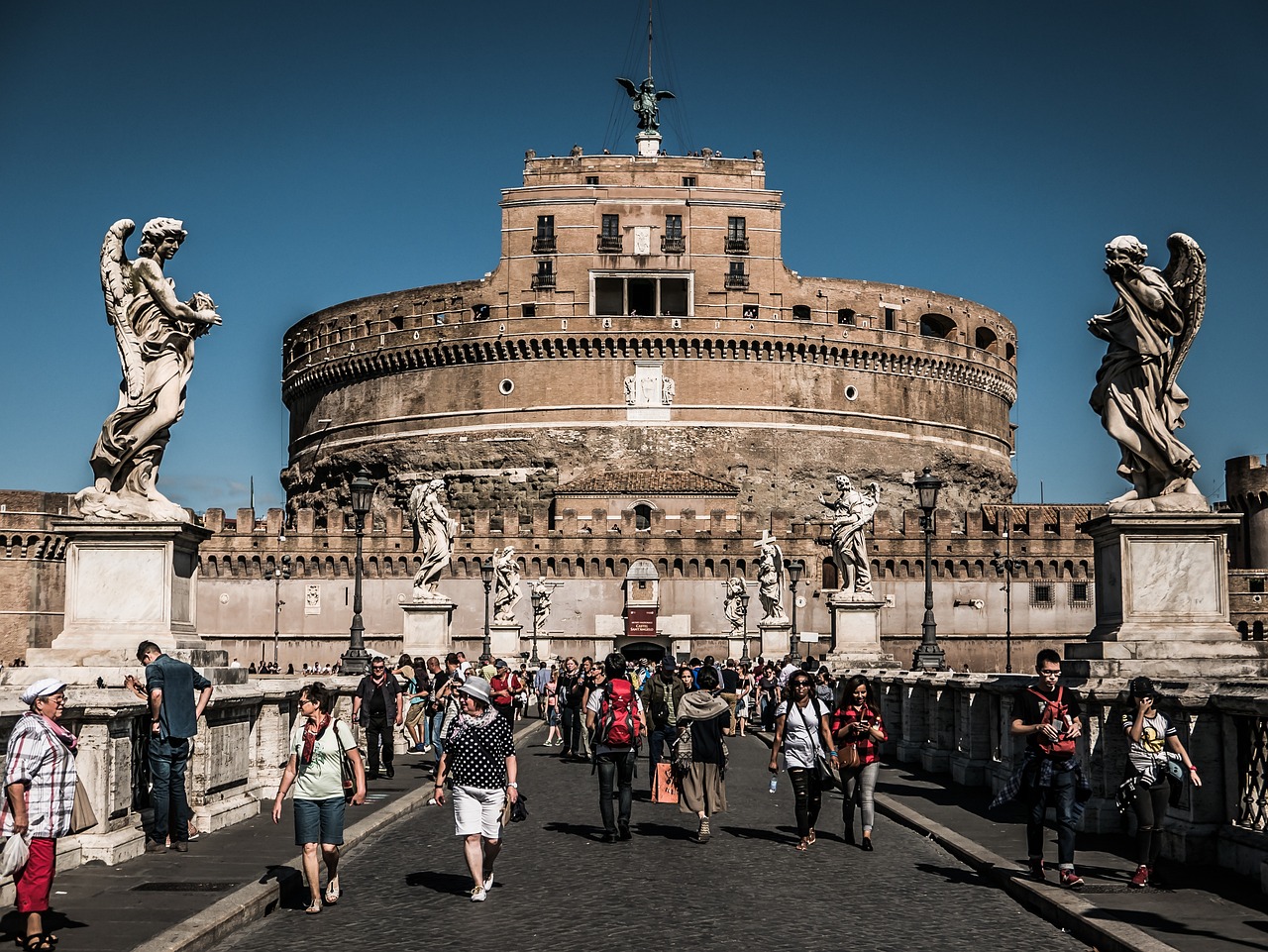
Rome is one of the best short city breaks in Europe, but it only works well in 48 hours if you keep the trip focused. Two days is enough to see Ancient Rome, the Vatican, the Pantheon and the historic centre, while still leaving time for long lunches, evening walks and the kind of meals that make the city memorable.
This itinerary is built for a first visit. It keeps travel time low, groups sights sensibly and avoids trying to cram in every museum and neighbourhood. If you are planning a wider trip, start with our Italy travel guide.
Is 48 hours enough for Rome?
Yes, as long as you treat it as an introduction rather than a complete city break.
Two days gives you enough time for the major highlights and the wider feel of the city. It does not give you enough time for every gallery, church and piazza. That is why the best short Rome itinerary stays selective.
What to book before you go
For a 48-hour trip, booking ahead matters.
Book in advance for:
Those three bookings shape the whole pace of the trip.
Where to stay in Rome for 2 days
For a short stay, location matters more than almost anything else.
The best areas are:
- Centro Storico for a classic first-time base
- Monti for easy access to Ancient Rome
- Prati for the Vatican and a slightly calmer feel
- Trevi or Spanish Steps area for central sightseeing on foot
If you only have two days, it is worth paying a bit more to stay central.
Rome in 48 hours at a glance
| Day | Focus | Main stops |
|---|---|---|
| Day 1 | Ancient Rome and the historic centre | Colosseum, Roman Forum, Palatine Hill, Trevi Fountain, Spanish Steps |
| Day 2 | Vatican and central Rome | Vatican Museums, St Peter’s Basilica, Pantheon, Piazza Navona, Gianicolo Hill |
Day 1: Ancient Rome and the historic centre
Morning: Colosseum, Roman Forum and Palatine Hill
Start early and begin with Ancient Rome. This is the most time-sensitive part of the trip, so it makes sense to do it first while energy is high and the area is less crowded.
The Colosseum is the obvious headline sight, but the Roman Forum and Palatine Hill are what give the visit real depth. Together, they make much more sense than seeing the amphitheatre alone.
Plan to spend most of the morning here rather than trying to rush through in under an hour.
Lunch: Monti
After the archaeological sites, head into Monti for lunch. It is close, easy and a good place to reset before moving back into the centre.
If food is a big part of the trip, our guide to eating like a local in Rome is the most useful next read.
Afternoon: Trevi Fountain, Spanish Steps and the central streets
Use the afternoon to move through the historic centre on foot. Start at Trevi Fountain, then continue towards the Spanish Steps, letting the smaller streets and cafés do some of the work in between.
This part of Rome is best enjoyed slowly. A short stop for coffee or gelato usually works better than trying to force in another major museum.
If you want to add a few more sights without pushing the budget up, our roundup of the best free attractions in Rome fits neatly into this part of the route.
Evening: dinner and a final walk
For the first evening, keep dinner classic rather than overcomplicated. A proper Roman meal in a relaxed setting will do more for the trip than chasing somewhere flashy just because it is famous.
After dinner, walk again. Rome is one of those cities that often looks better after dark, especially around the centre.
Day 2: Vatican City and the heart of Rome
Early morning: Vatican Museums
Begin day two with the Vatican Museums. This is another place where an early timed entry makes a big difference.
Go in expecting crowds, but also give yourself enough time to take in the scale of the collections. The Sistine Chapel is the obvious highlight, though the wider museum route is part of the experience.
Late morning: St Peter’s Basilica
After the museums, continue to St Peter’s Basilica. Even on a short trip, it deserves time.
If you are trying to prioritise, this is the church to focus on. It gives the second day enough grandeur without needing to add multiple religious sites across the city.
Lunch: near the Vatican
Stay nearby for lunch rather than crossing Rome immediately. That keeps the day more manageable and avoids wasting time.
A shorter lunch also makes the afternoon easier, especially if you still want time for one or two central sights and a final viewpoint.
Afternoon: Pantheon and Piazza Navona
After lunch, head to the Pantheon. It is one of the most effective stops in Rome because it delivers immediately and does not need half a day.
From there, continue on foot to Piazza Navona and the surrounding lanes. This is a good part of the city to leave slightly open-ended. You can pause for coffee, browse smaller streets or simply let the route unfold naturally.
Sunset: Gianicolo Hill
Finish the trip at Gianicolo Hill. It is one of the best final viewpoints in Rome and gives the city a proper ending after two days at street level.
If time is tight, this is a better final stop than trying to squeeze in one more museum.
What to skip on a 2-day Rome trip
Rome becomes much easier once you stop trying to see everything.
Leave these for another visit:
- too many extra churches
- half-day shopping detours
- separate day trips outside the city
- trying to combine Ancient Rome, the Vatican and Trastevere all in one stretch
- any major sight that you have not booked in advance
How to get around Rome
For this itinerary, walking is the main transport.
Use taxis or public transport for:
- airport transfers
- hotel check-in and check-out days
- longer hops if your accommodation is outside the centre
Otherwise, staying on foot keeps the trip simpler and more enjoyable.
What to pack for Rome
A few basics make a big difference:
- comfortable shoes for long walking days
- light layers depending on season
- a power bank
- a reusable water bottle
- clothes that work for church entry
- digital and paper copies of bookings
Where to eat in Rome
Food can shape the whole trip, especially with only two days in the city.
For a casual, more local-focused meal, use our Rome food guide linked above. If you want one standout dinner, our guide to Michelin-star restaurants in Rome is the best place to start.
A realistic budget for 48 hours in Rome
| Budget style | Two-day estimate |
|---|---|
| Budget | £180–£300 |
| Mid-range | £350–£650 |
| Higher-end | £800+ |
Accommodation and attraction choices are the biggest variables. Staying central costs more, but usually makes the trip work much better.
Is Rome worth doing in 48 hours?
Yes. Rome works very well as a short break if you plan it properly.
Two days is enough for the Colosseum, Roman Forum, Vatican, Pantheon and the wider feel of the historic centre. It is enough to eat well, walk a lot and leave with a strong sense of the city without exhausting yourself.
For more Rome ideas after this itinerary, browse the full Rome section or explore more routes in the itineraries hub.
FAQs
Yes. It is enough for a strong first visit built around the main highlights.
It is possible, but splitting them across two days usually works much better.
Centro Storico, Monti, Prati and the Trevi or Spanish Steps area are all strong choices.
Yes. On a short trip, advance booking is strongly recommended.
Yes. Most of this itinerary is designed to work on foot.
The Colosseum area, Vatican Museums, St Peter’s Basilica, the Pantheon and time in the historic centre are the essentials.