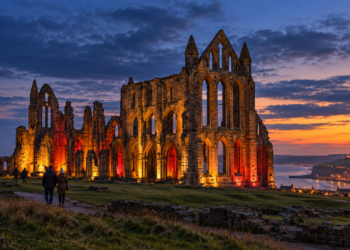



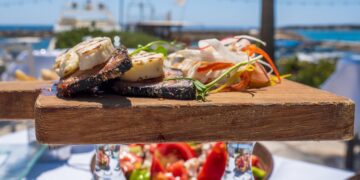



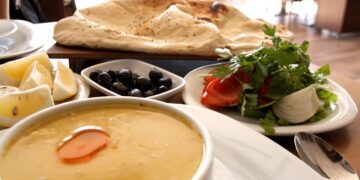



Verona is one of the easiest Italian cities to enjoy in a short trip. The centre is compact, the food is good, the river views are strong, and the main sights sit close enough to walk between.
It is best known for Romeo and Juliet, but Verona is much more than the balcony. The city has a Roman arena, medieval bridges, quiet churches, busy piazzas, wine bars, opera nights and easy train links to Lake Garda, Venice and other parts of northern Italy.
At VayCay Couple, we think Verona works well when you keep the plan simple. Walk the old centre, book the Arena if you are visiting in opera season, leave time for aperitivo and add one day trip if you have a second night.
For a wider route, use our Italy travel guide to connect Verona with Venice, Lake Garda, Milan or the Dolomites.
Is Verona worth visiting?
Yes, Verona is worth visiting, especially if you want a smaller Italian city with history, food, romance and easy transport.
It suits:
- first-time Italy trips
- couples’ weekends
- opera trips
- train-based routes
- Lake Garda add-ons
- food and wine breaks
- slower city breaks without huge crowds
Verona is less intense than Rome, less polished than Venice and easier to manage than Milan. That is part of its appeal.
Quick Verona travel facts
| Travel fact | Detail |
|---|---|
| Region | Veneto, northern Italy |
| Main station | Verona Porta Nuova |
| Airport | Verona Villafranca Airport |
| Best trip length | 1 to 3 days |
| Best months | April to June and September to October |
| Opera season | Summer, usually June to September |
| Main river | Adige |
| Best for | Arena, old town, wine, easy walking |
| Good day trips | Lake Garda, Vicenza, Mantua, Soave |
Verona’s historic centre is listed by UNESCO, and most first-time visitors spend their time within or close to the old city.
How many days do you need in Verona?
One day is enough to see the main sights. Two days is better because Verona is most enjoyable when you do not rush it.
| Time in Verona | Best plan |
|---|---|
| Half day | Arena, Piazza delle Erbe, Juliet’s House, river walk |
| One day | Main sights, Castelvecchio, Ponte Pietra, sunset viewpoint |
| Two days | Add San Zeno, Giardino Giusti, opera or a slow food evening |
| Three days | Add Lake Garda, Soave, Vicenza or Mantua |
If Verona is part of a bigger Italy trip, stay at least one night. The city feels much better after the day-trip crowds leave.
When is the best time to visit Verona?
The best time to visit Verona is spring or early autumn. The weather is usually comfortable, and the city is easier to walk around.
| Season | What to expect | Best for |
|---|---|---|
| March to May | Mild weather, lighter crowds | Sightseeing and walking |
| June to August | Hotter, busier, opera season | Arena performances and long evenings |
| September to October | Warm days, wine season nearby | Food, wine and calmer city breaks |
| November to February | Colder, quieter, Christmas markets | Museums, short stays, lower prices |
If you want opera at the Arena, summer is the main season. The 2026 Arena di Verona Opera Festival runs from 12 June to 12 September, so book early if that is the reason for your trip.
How do you get to Verona?
Verona is easy to reach by train, plane or car. For most visitors, the train is the simplest choice.
Getting to Verona by train
Verona Porta Nuova is the main station. It connects well with Venice, Milan, Bologna, Florence and Lake Garda.
| Route | Typical journey style |
|---|---|
| Venice to Verona | Easy direct train |
| Milan to Verona | Fast direct train options |
| Bologna to Verona | Simple regional or intercity route |
| Florence to Verona | Usually via Bologna |
| Lake Garda to Verona | Short train from Peschiera del Garda or Desenzano |
From Porta Nuova, you can walk into the centre in around 20 to 25 minutes or take a bus or taxi.
Getting from Verona airport to the city
Verona Villafranca Airport is close to the city. The airport bus connects with Verona Porta Nuova station, and taxis are available outside arrivals.
Check current airport transport times before travelling, especially for late arrivals.
Do you need a car in Verona?
No. You do not need a car for Verona city centre. Walking, buses and trains are easier.
A car only helps if you plan to explore rural wineries, smaller villages or multiple countryside stops. Avoid driving into the historic centre unless your hotel gives clear parking and ZTL instructions.
How do you get around Verona?
Verona is a walking city. Most main sights sit within a compact area around Piazza Bra, Piazza delle Erbe, the Arena and the Adige river.
Useful options include:
- walking for the historic centre
- buses for the station or outer areas
- taxis for late arrivals or luggage
- funicular or steps for Castel San Pietro
- trains for day trips
The official Verona Card includes access or reductions for many sights and public transport on city buses. Check the current version before buying because prices and inclusions can change.
Should you buy the Verona Card?
The Verona Card can be worth it if you plan to visit several paid sights in one or two days.
It is most useful if you want to see:
- Verona Arena
- Juliet’s House
- Torre dei Lamberti
- Castelvecchio Museum
- Basilica di San Zeno
- other city museums or churches
It may not be worth it if you only want to walk the city, see the Arena from outside and spend most of your time eating, shopping and enjoying the piazzas.
Before buying, check the official Verona Card information and any reservation rules for popular sights.
What are the best things to do in Verona?
Verona has enough for one strong day and a slower second day. Start with the centre, then add the river and viewpoints.
Visit Verona Arena
Verona Arena is the city’s main landmark. This Roman amphitheatre sits on Piazza Bra and is still used for concerts and opera.
During the day, you can visit the inside when it is open. In summer, the Arena becomes one of Italy’s most famous outdoor opera venues.
If you want to attend a performance, book through the official Arena di Verona website and check start times, seating and weather rules before choosing tickets.
Walk through Piazza Bra
Piazza Bra is the large square beside the Arena. It is a good place to start, get your bearings and understand the city’s layout.
The restaurants on the square are convenient, but not always the best value. Use it for coffee or a quick stop, then walk into smaller streets for better food.
See Piazza delle Erbe
Piazza delle Erbe is one of Verona’s prettiest squares. It has market stalls, old façades, cafés and the Torre dei Lamberti nearby.
It is busy during the day, but still worth seeing. Go early for fewer people or later for a drink when the light softens.
Climb Torre dei Lamberti
Torre dei Lamberti gives one of the best views over Verona. You can climb stairs or use the lift for part of the way, depending on the current setup.
It is a good early stop because it helps you understand the city’s shape, the river and the hills beyond.
Visit Juliet’s House
Juliet’s House is one of Verona’s busiest tourist stops. The balcony is linked to the Romeo and Juliet story, though the connection is more literary and symbolic than historical.
Go if you are curious, but keep expectations realistic. The courtyard can be crowded, and the visit is quick unless you go inside the museum.
Book a timed slot if required during your dates.
Cross Ponte Pietra
Ponte Pietra is one of Verona’s best river views. The stone bridge crosses the Adige and leads towards the hillside on the other side of the city.
It is especially good in the late afternoon, when the light hits the old buildings and water.
Go up to Castel San Pietro
Castel San Pietro gives the classic view over Verona. You can walk up the steps or use the funicular when it is operating.
This is one of the best sunset spots in the city. Bring water in summer and allow time for the climb if you are walking.
Visit Castelvecchio and the bridge
Castelvecchio is Verona’s old fortress and now houses a museum. Even if you do not visit the museum, walk across the Castelvecchio bridge for river views and photos.
The museum is a good choice in bad weather or if you want more than the main Romeo and Juliet stops.
See Basilica di San Zeno
Basilica di San Zeno is one of Verona’s most important churches. It is slightly away from the busiest centre, which makes it calmer than the main squares.
The church is known for its Romanesque architecture, bronze doors and art. It is worth the walk if you have more than one day.
Spend time in Giardino Giusti
Giardino Giusti is a peaceful garden east of the old centre. It has cypress trees, terraces, views and a slower feel than the main tourist route.
It is a good choice if you want a quieter hour, especially in spring or early autumn.
A simple one-day Verona itinerary
This route works well if you have one full day and want the main sights without too much backtracking.
| Time | Plan |
|---|---|
| Morning | Start at Piazza Bra and visit Verona Arena |
| Late morning | Walk to Piazza delle Erbe and climb Torre dei Lamberti |
| Lunch | Eat near Via Sottoriva or a side street away from the main squares |
| Afternoon | Visit Juliet’s House, then walk to Ponte Pietra |
| Late afternoon | Go up to Castel San Pietro for the view |
| Evening | Aperitivo, dinner and a walk back through the old centre |
If you only have a few hours, focus on the Arena, Piazza delle Erbe, Ponte Pietra and Castel San Pietro.
A two-day Verona itinerary
Two days gives you a better balance of sights, food and atmosphere.
Day one
| Time | Plan |
|---|---|
| Morning | Arena, Piazza Bra and old centre |
| Lunch | Simple trattoria or wine bar |
| Afternoon | Juliet’s House, Torre dei Lamberti and Piazza delle Erbe |
| Evening | Castel San Pietro viewpoint and dinner |
Day two
| Time | Plan |
|---|---|
| Morning | Basilica di San Zeno and Castelvecchio |
| Lunch | Casual lunch near the river or old town |
| Afternoon | Giardino Giusti or Teatro Romano |
| Evening | Opera, wine bar or relaxed dinner |
If you are travelling as a couple, the second evening is the one to keep slow. Verona is at its best after dark, when the day visitors leave and the old centre feels calmer.
Where should you stay in Verona?
For a first visit, stay inside or close to the historic centre. That keeps you near the Arena, the river, restaurants and the main sights.
| Area | Best for | What to know |
|---|---|---|
| Piazza Bra and Arena area | First visit and opera | Central and convenient |
| Piazza delle Erbe | Old-town atmosphere | Busy but very scenic |
| San Zeno | Quieter stay | Good for a calmer base |
| Near Porta Nuova station | Early trains and day trips | Less atmospheric but practical |
| Veronetta | Food, bars and student feel | Good for a more local edge |
| Across the river near Ponte Pietra | Views and quieter evenings | Slightly removed from the core |
Book early for opera season, summer weekends and Christmas market dates.
What should you eat in Verona?
Verona is a strong food city. The cooking is northern Italian, with rice, polenta, wine, meat dishes and rich sauces playing a bigger role than in southern Italy.
Good things to try include:
- risotto all’Amarone
- bigoli with duck ragù
- pastissada de caval, a traditional horse meat stew
- gnocchi
- polenta
- tortellini from nearby Valeggio sul Mincio
- pandoro, especially in winter
- Valpolicella wine
- Amarone wine
- Soave white wine
For a simple food plan, eat one risotto dish, try a glass of local wine and leave room for gelato or a pastry.
If you are planning more Italian food stops, our Rome guide on how to eat like a local gives useful contrast with central Italian cooking.
Where should you eat and drink in Verona?
Look for osterie, trattorie and wine bars away from the most obvious tourist corners. Verona is good for aperitivo, so plan a drink and small snack before dinner.
Good food areas include:
- Via Sottoriva for old arcades and casual meals
- San Zeno for a quieter local feel
- Veronetta for bars and relaxed eating
- streets around Piazza delle Erbe for wine bars
- side streets off Piazza Bra for convenience
A coperto, or cover charge, is common in Italy. Check the menu before sitting down.
Is Verona good for wine?
Yes. Verona is close to some of northern Italy’s best-known wine areas, including Valpolicella and Soave.
Valpolicella is known for red wines, including Amarone. Soave is known for white wine. Both can work as day trips or half-day tastings if you have more than one day in Verona.
For wine tastings outside the city, book ahead and check transport. Some wineries are easier by car or organised tour than by public transport.
Best day trips from Verona
Verona is a useful base for northern Italy because the train links are strong.
| Day trip | Best for | Typical route |
|---|---|---|
| Lake Garda | Lake views and relaxed towns | Train to Peschiera del Garda or Desenzano |
| Vicenza | Palladian architecture | Direct train |
| Mantua | Palaces, food and quieter streets | Regional train |
| Soave | Castle and white wine | Train or bus combination |
| Venice | Major city day trip | Direct train |
| Padua | Art, churches and old streets | Direct train |
Lake Garda is the easiest nature-style add-on. Peschiera del Garda works well if you want a short lake stop without complicated transport.
If you prefer lakeside luxury and a slower northern Italy feel, our Cernobbio travel guide is useful for comparing Verona with Lake Como.
Verona or Venice: which is better?
Verona and Venice are very different, even though they are close by train.
| Choose Verona if you want | Choose Venice if you want |
|---|---|
| Easier walking | Canals and islands |
| Lower pressure | Major bucket-list sights |
| Roman and medieval history | Byzantine and maritime history |
| Opera at the Arena | Lagoon views |
| Wine trips | Boat-based exploring |
| A calmer couples’ break | A more famous first Italy stop |
Verona is easier and calmer. Venice is more unique but busier and more expensive. A good northern Italy route can include both.
Verona or Lake Garda: which should you choose?
Choose Verona if you want history, food, opera and a walkable city. Choose Lake Garda if you want water, mountain views, boat trips and slower days.
For a short trip, Verona makes a better base because of train links and year-round sights. For summer, Lake Garda may be better if swimming and lake time matter more than museums.
What should you book ahead in Verona?
Book ahead for:
- Arena opera tickets
- accommodation in opera season
- Juliet’s House timed entry if required
- popular restaurants on weekends
- guided wine trips
- Lake Garda summer hotels
- Christmas market stays
- high-speed trains at busy times
You can keep many sights flexible, but opera and hotels should be sorted early.
Is Verona expensive?
Verona is usually cheaper than Venice but not always cheap. Prices rise in opera season and during busy weekends.
| Cost | Rough guide |
|---|---|
| Coffee | Lower if standing at the bar |
| Casual lunch | Moderate by northern Italy standards |
| Trattoria dinner | Mid-range |
| Arena opera ticket | Varies heavily by seat |
| Central hotel | Higher in summer and event periods |
| Train to Lake Garda | Usually manageable |
| Wine tasting | Varies by winery and transport |
To save money, stay slightly outside the busiest streets, eat lunch in simple places and use trains for day trips.
Is Verona safe?
Verona is generally safe for visitors. Use normal city care, especially in busy squares, around the station and near crowded tourist sights.
Watch out for:
- pickpockets in busy areas
- overpriced tourist restaurants
- unofficial sellers near major sights
- ZTL fines if driving
- traffic when crossing roads
- uneven stone streets
Emergency number in Italy is 112.
What should you pack for Verona?
Pack for walking. The centre has stone streets, bridges and stairs.
Useful items include:
- comfortable shoes
- light jacket for evenings
- reusable water bottle
- sunscreen in summer
- small umbrella outside summer
- smart-casual outfit for opera or dinner
- power bank
- European plug adapter
- day bag for side trips
- train tickets saved offline
For opera nights, bring a light layer. Summer evenings can still feel cooler after several hours sitting outside.
Verona is best with a simple plan. See the Arena, walk the old centre, cross Ponte Pietra, climb to Castel San Pietro and leave time for wine and dinner.
One day gives you the highlights. Two days lets the city feel easier and more memorable. Add Lake Garda, Soave or Mantua if you have a third day, but do not overfill it.
Yes. One day covers the main sights, but two days give you time for San Zeno, Giardino Giusti, Castelvecchio, aperitivo and a slower evening.
Verona is famous for Romeo and Juliet, the Roman Arena, opera, medieval streets, the Adige river, Valpolicella wine and its UNESCO-listed historic centre.
Yes. Verona is very walkable. Most main sights are close together in and around the historic centre.
Juliet’s House is worth a quick visit if you are interested in the story, but it can be crowded. The courtyard is usually the main stop for many visitors.
Arena opera season usually runs in summer. In 2026, the Arena di Verona Opera Festival runs from 12 June to 12 September.
For a first visit, stay near Piazza Bra, the Arena, Piazza delle Erbe or the old centre. These areas keep you close to the main sights and restaurants.
Yes. Verona is easy to visit from Venice by train. Start early and focus on the Arena, Piazza delle Erbe, Juliet’s House, Ponte Pietra and Castel San Pietro.
Usually, yes. Verona is often better value for hotels and restaurants than Venice, though prices rise during opera season and busy weekends.
Lake Garda is one of the easiest and most popular day trips from Verona. Vicenza, Mantua, Soave and Padua are also good options by train.
No. A car is not needed for Verona itself. Use trains, buses and walking. Hire a car only if you plan to explore wineries or rural areas.