








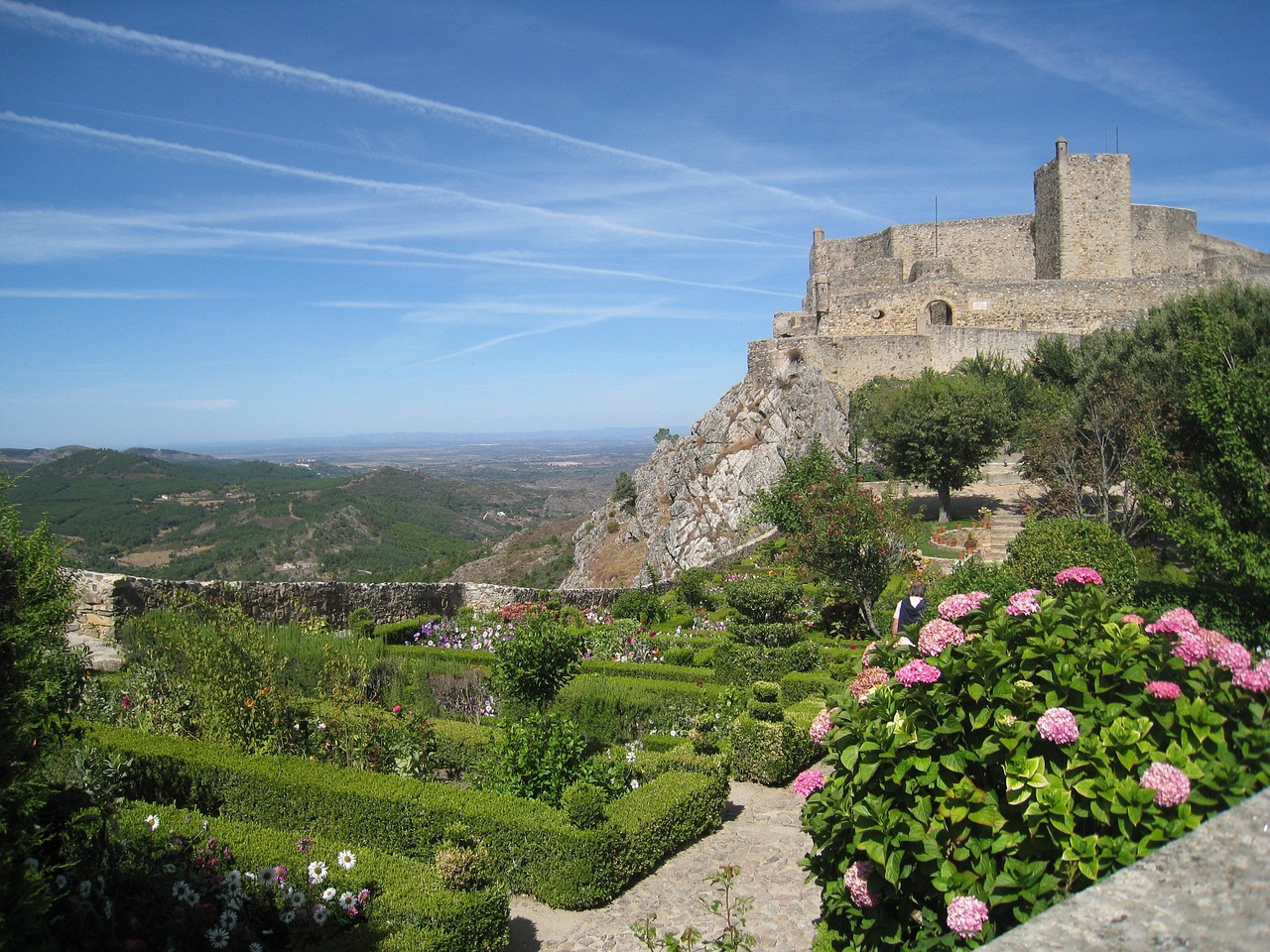
Marvão is one of those places that looks almost improbable when you first see it. The village sits high on a rocky ridge in the Alto Alentejo, wrapped in stone walls and looking out across a huge stretch of countryside towards Spain. It feels less like somewhere that grew naturally and more like somewhere placed there on purpose to watch the border.
That dramatic position is what draws people in, but it is not the only reason to come. Marvão works because it is compact, walkable and surprisingly easy to enjoy over one night or a slow day trip. We like it most as a quieter inland contrast to Portugal’s bigger-name breaks at VayCay Couple, especially if the wider trip already includes busier places. If you are mapping out a broader route, our Portugal travel guide helps put Marvão into the bigger picture.
Why visit Marvão?
Marvão is worth the detour if you want a Portugal trip that feels older, quieter and more self-contained than the usual coastal circuit. It suits people who enjoy walking old streets, looking out over large landscapes and spending time somewhere that does not need a packed attraction list to hold your attention.
What makes Marvão stand out
- a walled hilltop setting with unusually wide views
- a castle that still feels integrated into the village rather than separate from it
- easy access to Roman history at Ammaia
- quieter Alentejo atmosphere without resort-style tourism
- hiking and nature inside Serra de São Mamede Natural Park
The village also works well because it is small enough to explore properly. You do not need a long checklist here. A few hours on foot, a good lunch and some time around the walls can be enough to make the stop worthwhile.
Where is Marvão in Portugal?
Marvão sits in the Alto Alentejo, close to the Spanish border, inside the Serra de São Mamede Natural Park. That location gives it a very different feel from the Algarve or Portugal’s main city routes.
Quick facts
| Detail | Information |
|---|---|
| Region | Alto Alentejo, Portalegre district |
| Setting | Hilltop village inside Serra de São Mamede Natural Park |
| Closest city | Portalegre |
| Best known for | Castle, medieval streets, views, Ammaia |
| Good for | Slow travel, history, walking, scenic detours |
Official Portugal tourism still presents Serra de São Mamede as one of the more surprising protected landscapes in Alentejo, with higher terrain and stronger natural variation than many visitors expect.
What are the best things to do in Marvão?
Marvão is not about racing between attractions. The best version of the visit is slower than that. Still, there are a few places and experiences that deserve to be prioritised.
| Experience | Why it is worth doing | Time needed |
|---|---|---|
| Marvão Castle | Ramparts, views and the main historic landmark | 60 to 90 min |
| Municipal Museum | Small but useful context for the village and region | 30 to 45 min |
| Ammaia Roman City | Best nearby historic site beyond the walls | 60 to 90 min |
| Walking the lanes and walls | The village itself is part of the attraction | 45 to 60 min |
| Short hiking route or valley walk | Adds landscape to the trip | 1.5 to 3 h |
| Evening views and stargazing | One of the strongest reasons to stay overnight | 30 to 60 min |
Is Marvão Castle worth visiting?
Yes. The castle is the clearest reason most people come, and it still earns that role.
What makes it strong is not only the fortification itself, but how naturally it fits into the ridge and the rest of the village. You are not visiting a detached monument on the edge of town. The whole place still feels shaped by the castle and its defensive position.
What to look for at the castle
- the long view across the Alentejo plain
- the layered walls and gateways
- the cistern area
- the keep and upper sections
- the feeling of height and exposure on the outer edges
A few sections are uneven and the surfaces can be slippery in damp weather, so proper footwear is worth having even on a short visit.
What else should you see inside the village?
The village itself is part of the visit, not just the route between attractions. The stone lanes, whitewashed houses, churches and lookouts are what give Marvão its staying power once the first “castle on a hill” impression wears off.
The Municipal Museum is worth adding if you want context rather than just views. It is small enough not to feel like a major detour, but it helps the visit feel more complete. The same goes for the quieter corners of the walls and the smaller churches rather than only the main fortress viewpoint.
Is Ammaia worth adding to a Marvão trip?
Yes, especially if you are driving or staying overnight.
The Roman city of Ammaia is one of the most useful nearby additions because it changes the trip from a simple castle stop into something broader. It gives the area more depth and makes Marvão feel connected to a longer historical landscape rather than just one defensive village on a ridge.
The official Fundação Ammaia site is the best place to check current visitor details before you go.
How long do you need in Marvão?
That depends on whether you are passing through or treating it as a proper stop.
A realistic guide
| Trip style | Time needed |
|---|---|
| Quick visit | 2 to 3 hours |
| Day trip | Half day to full day |
| Best experience | 1 night |
If you only stop for an hour or two, you will see the views and the castle, but miss the quieter side of the place. Staying overnight makes a noticeable difference because Marvão becomes much calmer later in the day.
What is the best time to visit Marvão?
Spring and autumn are the easiest seasons for most people. The village is easier to walk in mild temperatures, and the surrounding landscape looks better than it does in the hottest part of summer.
Marvão by season
| Season | Best for | What to expect |
|---|---|---|
| Spring | Walking, clear views, milder weather | One of the strongest times to go |
| Summer | Long evenings and quiet mornings | Hotter afternoons |
| Early autumn | Good light, easier pacing, harvest mood | Very good all-round choice |
| Winter | Fireplace stays and emptier lanes | Colder nights and fewer services |
Late April, May and October are often the best balance for comfort and atmosphere. Your original draft was right to lean towards spring and autumn rather than peak summer.
Where should you eat in Marvão?
Food is part of why the stop works. The local style is rooted in Alentejo cooking, which means simple ingredients, strong flavours and dishes that suit long lunches more than quick café stops.
What to try
- açorda alentejana
- migas
- porco preto
- local wines from Alentejo
- traditional desserts such as sericaia
You do not need a huge dining scene here. One good lunch and one solid dinner are enough to make the trip feel rounded.
Where should you stay in Marvão?
If you want the place at its best, staying inside or very close to the walls is usually worth it. The evening and morning atmosphere are a large part of the appeal.
Good stay options by style
| Type | Best for | General feel |
|---|---|---|
| Historic stay inside the village | Atmosphere and views | Best overall experience |
| Mid-range village hotel | Easy short break | Practical and comfortable |
| Rural stay nearby | More space and slower pace | Good if travelling by car |
| Budget option | Simple overnight stop | Fine for walkers and short stays |
If your wider Portugal route also includes the coast, our Albufeira travel guide shows just how different the mood can be between inland Alentejo and the Algarve.
How do you get to Marvão?
Driving is the easiest option for most people. It gives you the freedom to combine Marvão with Ammaia, Portagem or other nearby stops without relying on limited local connections.
Main transport options
| Option | Best for | Notes |
|---|---|---|
| Car | Most visitors | Easiest and most flexible |
| Bus to Portalegre + taxi | No-car travellers | Works, but less convenient |
| Train | Not ideal | Nearest stations are not especially practical |
Parking is usually outside the main gate area rather than inside the village itself.
For official regional visitor information, Turismo do Alentejo’s Marvão tourist office listing is useful, and Visit Portugal’s Serra de São Mamede page is a good reference if you are combining the village with wider natural park travel.
Is Marvão good for families?
Yes, provided expectations are realistic.
This is not a theme-park style destination, but it works well for families who like open-air historic places, castle exploring and quieter walking. The biggest thing to watch is the terrain. There are slopes, steps, cobbles and high viewpoints, so a slower pace is better than trying to rush around.
Is Marvão worth visiting?
Yes, especially if you want a Portugal trip with more silence, more landscape and less obvious tourism pressure.
Marvão is not about volume. It does not need a long list of headline attractions to justify itself. The castle, the streets, the views and the surrounding landscape are enough. That is exactly why it works. The stop feels deliberate rather than crowded, and the setting does most of the talking.
For people who want a quieter inland detour with real atmosphere, Marvão is one of the better choices in Portugal.
FAQs
Marvão is known for its hilltop castle, walled medieval village, views across the Alentejo and its position inside Serra de São Mamede Natural Park.
Yes, but it is better if you can give it at least half a day or stay overnight.
A quick visit takes two to three hours, but one night gives a much better sense of the place.
Spring and autumn are usually the easiest seasons for walking, views and overall comfort.
Yes, but it is less convenient. A car makes the trip much easier, especially if you want to add Ammaia or nearby landscape stops.
Yes, although the steep lanes, stone surfaces and castle walls mean it suits families who are comfortable with a more active visit.