






Slovakia is one of the easiest Central European countries to underestimate. Many people only see Bratislava as a quick stop between Vienna and Budapest, but that misses the main reason to visit.
The capital is useful, compact and easy to reach. The High Tatras bring mountain scenery without needing a huge alpine budget. Banská Štiavnica and Spiš Castle give the country real historical weight. Spa towns, caves, wooden churches and forested national parks make Slovakia much more varied than its size suggests.
The key is choosing the right version of Slovakia. A short trip based in Bratislava feels very different from a mountain-focused stay in the Tatras or a slower route through castles and old mining towns.
Is Slovakia worth visiting?
Yes, Slovakia is worth visiting if you want mountains, castles, smaller cities, good-value travel and a less obvious Central Europe route.
It suits:
- short city breaks in Bratislava
- mountain trips in the High Tatras
- castle and old town routes
- train-based travel between Central European cities
- walking and hiking holidays
- travellers who want better value than Austria or Switzerland
- people pairing Slovakia with Vienna, Budapest or Prague
Slovakia is less suited to travellers who want large capital-city energy, major nightlife districts or a beach holiday. It is strongest when you use it for scenery, history and slower travel.
Where is Slovakia?
Slovakia is in Central Europe, bordered by Austria, Czechia, Poland, Ukraine and Hungary. Bratislava sits close to Vienna, which makes the country easy to add to a wider Europe trip.
The country is compact, but the landscapes change quickly. Bratislava is lowland and river-based. The High Tatras are alpine. Banská Štiavnica sits in old mining country. Košice gives eastern Slovakia a stronger city base.
If you are comparing several Central European destinations, Slovakia works best when you want nature and history without building the whole trip around one major capital.
How many days do you need in Slovakia?
Three days is enough for Bratislava and one nearby trip. Seven to ten days is better if you want the Tatras, castles and another city.
| Time in Slovakia | What it suits |
|---|---|
| 1 day | Bratislava only, usually from Vienna |
| 2 to 3 days | Bratislava with Devin Castle or a wine-town trip |
| 4 to 5 days | Bratislava plus High Tatras or Banská Štiavnica |
| 7 days | Bratislava, Tatras and one historic stop |
| 10+ days | Slower route with Košice, castles, caves and spa towns |
Do not try to cover Bratislava, the Tatras, Košice, Banská Štiavnica and every castle in three days. Slovakia is small, but travel time still matters.
Should you visit Bratislava or the High Tatras?
Choose Bratislava if you want an easy city break, train access, cafés, the Danube, a small old town and a simple add-on from Vienna.
Choose the High Tatras if you want mountain views, walking, lakes, cable cars, skiing or a nature-led trip.
| Choose Bratislava if you want | Choose the High Tatras if you want |
| Short city break | Mountain scenery |
| Easy rail links | Hiking or skiing |
| Old town and castle | Lakes and alpine routes |
| Lower-effort planning | Outdoor days |
| Vienna or Budapest add-on | A proper Slovakia-focused trip |
For a first visit, Bratislava is the easiest start. For the trip that feels most distinctively Slovak, add the Tatras.
What is Bratislava like?
Bratislava is smaller and easier than many European capitals. The old town is compact, the Danube gives the city a clear shape, and the castle view helps you understand the layout quickly.
It is best for:
- short breaks
- first Slovakia trips
- cafés and restaurants
- easy rail travel
- low-pressure sightseeing
- day trips from Vienna
- travellers who prefer walkable capitals
Bratislava is not a city that needs five packed days. It works better as a relaxed two-night stay or the first stop in a wider Slovakia route.
For more detail, use our Bratislava travel guide when planning the capital itself.
What are the best places to visit in Slovakia?
Slovakia has more variety than many first-time visitors expect. The best places depend on whether you want cities, mountains, castles or spa towns.
| Place | Best for | What to know |
| Bratislava | First visit, short city break | Easiest entry point |
| High Tatras | Hiking, skiing, mountain scenery | Best nature base |
| Košice | Eastern Slovakia, architecture, food | Good second city |
| Banská Štiavnica | History, old mining town, UNESCO | Strong cultural stop |
| Spiš Castle | Castles and views | One of the major heritage sights |
| Bojnice Castle | Fairytale castle feel | Popular and photogenic |
| Slovak Paradise National Park | Ladders, gorges, active trails | Better for confident walkers |
| Piešťany | Spa break | Good for wellness stays |
| Trenčín | Castle and compact town | Easy western Slovakia stop |
The mistake is trying to treat these as quick pins on a map. Slovakia is better when each stop has a clear purpose.
What should you see in Bratislava?
For a short stay, focus on the centre and nearby viewpoints.
Good Bratislava stops include:
- Bratislava Castle
- Old Town
- St Martin’s Cathedral
- Michael’s Gate
- Blue Church
- Danube riverside
- Slavín memorial
- Devin Castle
- UFO viewpoint if you want a modern city view
Bratislava is also one of the easiest places in Slovakia for food, cafés and evening walks.
Are the High Tatras worth visiting?
Yes, the High Tatras are worth visiting if you want Slovakia’s most dramatic scenery. They are the main reason many travellers extend a trip beyond Bratislava.
The best-known bases include:
- Štrbské Pleso
- Starý Smokovec
- Tatranská Lomnica
- Poprad for transport access
The Tatras work for summer walks, autumn scenery and winter skiing. You do not need to be an expert hiker to enjoy them, but you should match the route to your fitness and the weather.
If hikes are a major part of your trip, plan the mountain section separately rather than treating the Tatras as a quick add-on.
Is Slovakia good for hiking?
Yes, Slovakia is very good for hiking. The High Tatras, Low Tatras, Slovak Paradise and Malá Fatra are some of the best areas.
Good hiking areas include:
| Area | Best for |
| High Tatras | Lakes, peaks, cable cars, alpine views |
| Low Tatras | Longer routes, quieter mountain feel |
| Slovak Paradise | Gorges, ladders, active trails |
| Malá Fatra | Ridges, forests, varied walking |
| Little Carpathians | Easier walks near Bratislava |
If you are planning your trip around hikes, summer and early autumn are usually the strongest seasons. In higher mountain areas, conditions can change quickly, and some routes may be seasonal.
What are the best castles in Slovakia?
Slovakia is strong for castles, especially if you are willing to leave Bratislava.
Good castles to consider:
- Bratislava Castle
- Devin Castle
- Spiš Castle
- Bojnice Castle
- Trenčín Castle
- Orava Castle
- Červený Kameň Castle
For a short trip, combine Bratislava Castle with Devin Castle. For a wider route, Spiš Castle and Bojnice Castle are stronger additions.
Is Slovakia good for UNESCO sites?
Yes. Slovakia has several UNESCO-listed places, including Banská Štiavnica, Spiš Castle and related monuments, Vlkolínec, wooden churches in the Carpathian area and caves of the Aggtelek Karst and Slovak Karst.
Banská Štiavnica is often the easiest cultural choice because it combines architecture, mining history, hills and a small-town feel. Spiš Castle is better if you want scale and views.
If UNESCO places are part of your planning, Slovakia is stronger than many people expect.
Do you need a car in Slovakia?
You do not need a car for Bratislava, Košice or a simple train-based route. A car helps if you want castles, villages, national parks or several rural stops in one day.
You can manage without a car for:
- Bratislava
- Košice
- Poprad
- High Tatras towns
- main rail routes
- some day trips from Bratislava
A car helps for:
- Spiš Castle
- Bojnice Castle
- Orava Castle
- Slovak Paradise
- smaller villages
- spa towns
- multi-stop countryside routes
For a first visit without a car, use Bratislava, Poprad, the Tatras and Košice as rail-friendly anchors.
How do you travel around Slovakia by train?
Train is one of the easiest ways to move across Slovakia if your route follows the main corridor.
The useful rail line runs across the country from Bratislava through Žilina and Poprad towards Košice. This makes it practical to combine the capital, Tatras and eastern Slovakia without driving.
Train works especially well for:
- Bratislava to Poprad
- Bratislava to Košice
- Poprad to Tatras towns
- Bratislava to Žilina
- Bratislava to Trnava
- Košice as an eastern base
Use Slovak Railways or current rail apps before travelling because schedules and ticket options can change.
What is the best time to visit Slovakia?
The best time depends on the trip.
| Season | Best for | What to expect |
| Spring | Cities, castles, lighter walking | Mild weather, some rain |
| Summer | Tatras, hiking, festivals | Warm days, busier mountains |
| Autumn | Hiking, castles, old towns | Good colour, calmer feel |
| Winter | Skiing, spas, festive city breaks | Cold weather, snow in mountains |
May, June, September and early October are strong months for a balanced trip. July and August are best for mountain access but can be busier. Winter is best if skiing or spa time is the point.
Is Slovakia expensive?
Slovakia is generally good value compared with Austria, Switzerland and many western European destinations. Bratislava costs more than smaller towns, but it is still manageable for a capital.
| Budget style | Daily estimate | What it usually covers |
| Budget | €45 to €75 | Simple room, public transport, casual meals |
| Mid-range | €90 to €160 | Comfortable hotel, restaurants, museums, train travel |
| Higher-end | €180+ | Better hotels, private transfers, spa stays, guided trips |
The Tatras can become more expensive in ski season and peak summer. Book ahead if you are visiting during holidays or weekends.
What should you eat in Slovakia?
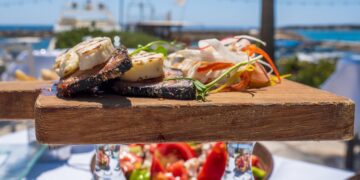
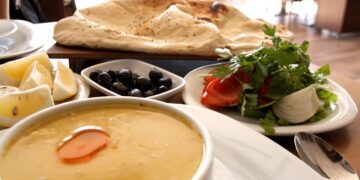
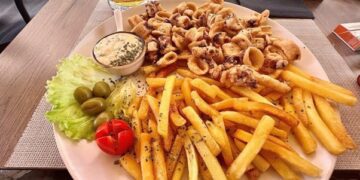
Slovak food is hearty and practical, especially in mountain regions. Expect dumplings, sheep cheese, soups, potatoes, cabbage, pork, sausages and sweet pastries.
Try:
- bryndzové halušky
- kapustnica
- lokše
- pirohy
- vyprážaný syr
- goulash-style stews
- poppy seed pastries
- šúľance
- Slovak beer
- local wine in the Little Carpathians
If food is part of the trip, Bratislava and Košice give the easiest mix of traditional restaurants and modern cafés.
At VayCay Couple, we think Slovakia works best when you do not treat meals as an afterthought. A simple mountain lunch or a proper Bratislava dinner can make the country feel more grounded than another rushed castle stop.
Where should you stay in Slovakia?
Choose your base by the kind of trip you want.
| Base | Best for |
| Bratislava | First visits, city break, Vienna add-on |
| Poprad | Tatras access and transport |
| Štrbské Pleso | Mountain scenery and walking |
| Starý Smokovec | Tatras base with practical access |
| Košice | Eastern Slovakia and city stays |
| Banská Štiavnica | Romantic old town and UNESCO setting |
| Piešťany | Spa break |
| Žilina | Northern Slovakia and transport links |
Do not base only in Bratislava if the Tatras are the main reason for your trip. The distance is too much for a relaxed mountain day.
How does Slovakia fit with nearby countries?
Slovakia is easy to pair with nearby countries because Bratislava is close to Vienna and well placed for Central Europe rail routes.
Good combinations include:
- Vienna and Bratislava
- Bratislava and Budapest
- Bratislava, High Tatras and Košice
- Prague, Bratislava and Budapest
- Kraków and the High Tatras
- Vienna, Bratislava and the Little Carpathians
For a short first trip, Vienna and Bratislava is the easiest combination. For a more Slovakia-focused trip, add the Tatras instead of treating the country as a day trip.
Common Slovakia travel mistakes
Avoid these if you want a better trip:
- visiting only Bratislava and judging the whole country from that
- trying to do the High Tatras as a casual day trip from Bratislava
- renting a car for the capital when you do not need one
- ignoring Košice if travelling east
- treating mountain weather too casually
- trying to cover too many castles in one short stay
- skipping Banská Štiavnica if you like historic towns
- assuming Slovakia is just a cheaper version of Austria
- not booking Tatras accommodation early in peak periods
- planning rural travel without checking transport times
Slovakia is compact, but it still needs a route that makes sense.
FAQs
Yes. Slovakia is worth visiting for Bratislava, the High Tatras, castles, UNESCO towns, spa culture and good-value Central European travel.
Three days works for Bratislava and one nearby trip. Seven to ten days is better if you want Bratislava, the High Tatras, castles and Košice.
Slovakia is best known for the High Tatras, Bratislava, medieval castles, Banská Štiavnica, Spiš Castle, thermal spas and mountain scenery.
Yes, if you focus on Bratislava, Poprad, the High Tatras and Košice. A car helps for castles, villages and national parks.
Bratislava is enough for a short city break, but it does not show the full country. Add the Tatras, Banská Štiavnica, Košice or a castle if you have more time.
June and September are often the best months for a balanced trip. Winter is best for skiing, while summer is strongest for hiking in the Tatras.
Slovakia is usually good value compared with western Europe. Bratislava and the Tatras cost more than smaller towns, especially in peak season.
Try bryndzové halušky, kapustnica, lokše, pirohy, fried cheese, poppy seed pastries, Slovak beer and local wine.