










Lugano feels different from the Switzerland many first-time visitors expect. It has Swiss trains, clean streets and mountain views, but the language, food and slower lakefront pace feel much closer to northern Italy.
Set in Ticino, Switzerland’s Italian-speaking canton, Lugano works well for a long weekend, a relaxed lake break or a wider trip linking Switzerland with Lake Como and Milan. You can walk by the water in the morning, take a funicular up a mountain before lunch, swim in the afternoon and eat pizza or risotto in a piazza by evening.
Our Lugano travel guide at VayCay Couple, covers when to go, how to get there, where to stay, what to do, how much to budget and the easiest day trips to add.
Where is Lugano?
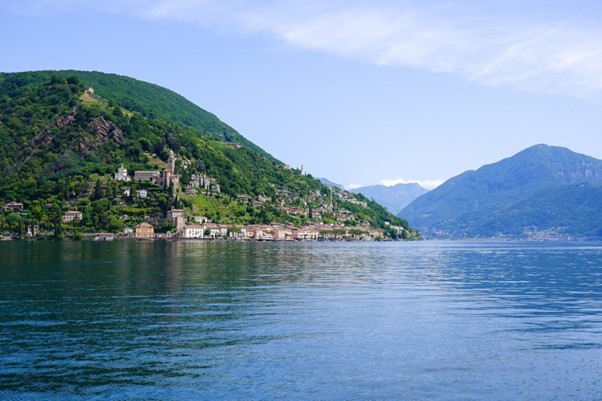
Lugano is in southern Switzerland, close to the Italian border. It sits beside Lake Lugano, with mountains rising around the city and smaller villages scattered along the shoreline.
The city is in Ticino, where Italian is the main language. English is common in hotels, restaurants and visitor areas, but Italian greetings are still useful.
| Quick fact | Detail |
|---|---|
| Country | Switzerland |
| Canton | Ticino |
| Main language | Italian |
| Currency | Swiss franc |
| Best for | Lake walks, mountain views, food, easy rail trips |
| Good trip length | 2 to 3 days |
| Nearest major airports | Milan Malpensa, Zurich, Milan Linate |
Lugano is not as grand as Zurich or as dramatic as some Alpine resorts, but it is easy, scenic and compact. That is the appeal.
Is Lugano worth visiting?
Yes, Lugano is worth visiting if you want Switzerland with a warmer, more Mediterranean feel. It suits couples, rail travellers, food-focused trips and anyone who wants lake views without staying in a huge city.
Lugano is especially good for:
- lakefront walks
- short mountain trips
- boat rides to small villages
- easy day trips to Italy
- art galleries and concerts
- relaxed food and coffee stops
- clean, simple public transport
- a slower base after busy Swiss cities
It is less ideal if you want low prices, late-night nightlife or big Alpine scenery on the scale of Zermatt or the Bernese Oberland. Lugano is more about lake, light and easy movement.
How many days do you need in Lugano?
Two days is enough for the main Lugano experience. Three days is better if you want both mountains, a boat trip and one day trip.
| Length of stay | Best for | What to include |
|---|---|---|
| One day | Quick stop from Milan or Como | Lakefront, old town, one mountain |
| Two days | First Lugano trip | Monte Brè or San Salvatore, Gandria, LAC, lakefront |
| Three days | Balanced city and lake break | Add Morcote, Bellinzona or a slower swim day |
| Four days or more | Ticino base | Add Como, Locarno, Valle Verzasca or more villages |
For most first visits, two nights is the sweet spot. You get one full day without rushing, plus time for a proper evening by the lake.
When is the best time to visit Lugano?
The best months for Lugano are April to June and September to early October. The weather is usually mild enough for walking, boat trips and outdoor meals, without the busiest summer prices.
| Month or season | What to expect | Best for |
|---|---|---|
| March to April | Spring flowers, changeable weather | Gardens, quiet streets, early hikes |
| May to June | Warm days and longer evenings | First-time visits, lake walks, boat trips |
| July to August | Hotter and busier | Swimming, lidos, summer holidays |
| September | Warm but calmer | Best overall balance |
| October | Cooler evenings, autumn food | Chestnuts, walks, lower crowds |
| November to February | Quieter and colder | Museums, short breaks, lower prices |
July and August can still be good, but book early and plan around heat. Lake swimming and evening meals are lovely, but midday walking can feel heavy.
How do you get to Lugano?
Lugano is well connected by train. For many visitors, rail is easier than hiring a car, especially if you are linking Switzerland and northern Italy.
Getting to Lugano by train
Lugano station sits above the city centre. From there, you can walk downhill, use local transport or take the small station funicular down towards the old town.
| Route | Typical journey style | Good to know |
|---|---|---|
| Milan to Lugano | Direct or simple rail journey | Good for Italy and Switzerland trips |
| Como to Lugano | Short cross-border train route | Easy day or overnight link |
| Zurich to Lugano | Fast Swiss rail route through the Alps | Scenic and simple |
| Lucerne to Lugano | Rail journey via central Switzerland | Good for a wider Swiss route |
Check live times on SBB before booking. Cross-border trains can vary by timetable, engineering work and season.
Getting to Lugano by air
Lugano is most practical via larger airports rather than the small local airfield.
Good airport options include:
- Milan Malpensa for northern Italy and Ticino
- Zurich for wider Switzerland trips
- Milan Linate for some city-based routes
- Bergamo for budget flights, though onward travel takes longer
From Milan Malpensa, you can continue by train, shuttle and rail combination, or private transfer. From Zurich, the train to Lugano is straightforward and gives you a more scenic arrival.
Do you need a car in Lugano?
No, you do not need a car for central Lugano. Trains, buses, boats and funiculars cover most of what visitors need.
A car can help if you want remote villages, mountain roads or several rural stops in one day. For the city, it can be more trouble than help because parking is limited and public transport is easy.
How do you get around Lugano?
Lugano is walkable in the centre, but the hills matter. The lakefront and old town are easy on foot. Some hotels, viewpoints and residential areas sit higher above the water.
Useful ways to get around include:
- walking in the old town and along the lake
- local buses for hills and outer areas
- boats for villages around the lake
- funiculars for mountain views
- trains for day trips to Bellinzona, Como and Locarno
If you stay overnight in eligible accommodation, ask about the Ticino Ticket. It gives free public transport within Ticino during your stay and discounts on selected attractions.
Where should you stay in Lugano?
Choose your base by how you want the trip to feel. Lugano is compact, but location still matters because hills, lake access and train links affect the day.
| Area | Best for | What to know |
|---|---|---|
| Old town and Piazza della Riforma | First visit, restaurants, easy walking | Central and convenient |
| Lakefront | Views and relaxed evenings | Usually pricier |
| Paradiso | Monte San Salvatore and lake hotels | Slightly south of the centre |
| Near Lugano station | Rail trips and shorter stays | Hilltop location, useful for early trains |
| Cassarate | Monte Brè access and local feel | Good for longer stays |
| Savosa or outer areas | Better value | Use buses into the centre |
For a first trip, stay near the old town, lakefront or Paradiso. If you plan several day trips by train, staying closer to the station can save time, but be ready for the hill.
What are the best things to do in Lugano?
Lugano is best enjoyed without rushing. Pick one mountain, one lake activity and enough time to walk, eat and stop.
Walk the Lugano lakefront
Start with the lakefront promenade. The walk between Parco Ciani, the old town and the lakeside areas gives you the easiest introduction to the city.
It is flat, scenic and simple to fit around arrival day. Go early for quieter paths or in the evening for softer light across the lake.
Spend time in Parco Ciani
Parco Ciani is one of Lugano’s best free places to visit. It sits beside the lake, close to the centre, with mature trees, flower beds and shaded paths.
It is useful in summer because it gives you a cooler break without leaving the city. Bring a coffee, slow down and use it as a reset between busier stops.
Take the funicular to Monte San Salvatore
Monte San Salvatore is one of Lugano’s classic viewpoints. The funicular starts from Paradiso and takes you up to wide views over the lake, the city and the surrounding mountains.
You can go up and back for the view, or add a walk if you have more time. Check the Monte San Salvatore website for current opening times and fares before going.
Ride up Monte Brè
Monte Brè gives another strong view over Lugano and the lake. It is often paired with a walk down towards Gandria or a slower visit to the village of Brè.
The funicular does not leave from the old town itself, so factor in the short trip to the lower station. Check the Monte Brè funicular site before travelling.
Visit Gandria by boat or on foot
Gandria is one of the prettiest villages near Lugano. It sits close to the Italian border, with narrow lanes, old houses and lake views.
A good plan is to take a boat one way and walk the Olive Trail for the other leg if the weather suits. The route is not difficult, but comfortable shoes are still better than sandals.
See art and concerts at LAC Lugano
LAC Lugano Arte e Cultura is the city’s main cultural venue. It hosts exhibitions, concerts and performances and gives the city more depth than lake views alone.
It is also a good rainy-day stop or a calmer afternoon option in summer.
Swim at Lido di Lugano
In warm weather, Lido di Lugano is one of the easiest places to swim. It has lake access, pools and space to spend a slower afternoon.
Bring a towel, swimwear, sunscreen and coins or a card for lockers, depending on the current setup. Summer weekends can be busy, so arrive earlier for a better spot.
Have coffee or dinner around Piazza della Riforma
Piazza della Riforma is the main square in Lugano. It is a natural stop for coffee, lunch, aperitivo or dinner.
Prices are not low, but the setting is central and easy. For better value, look slightly away from the main square or try casual bakeries and delis during the day.
Take a boat to Morcote
Morcote is one of the best lake trips from Lugano. It has stone lanes, churches, terraces and lake views, and it feels slower than the city.
Boat times vary by season, so check the current timetable before building your day around it. If you have only one lake village in the plan, choose between Gandria for ease and Morcote for a fuller half-day.
A simple two-day Lugano itinerary
This itinerary works well for a first visit and keeps the pace realistic.
Day one in Lugano
| Time | Plan |
|---|---|
| Morning | Arrive, check in or leave bags, walk down to the lake |
| Late morning | Stroll through Parco Ciani and the lakefront |
| Lunch | Eat near the old town or Piazza della Riforma |
| Afternoon | Visit LAC or relax by the water |
| Early evening | Take the funicular up Monte San Salvatore if the weather is clear |
| Dinner | Eat in the old town or Paradiso |
| Night | Gelato and a short lakeside walk |
Day two in Lugano
| Time | Plan |
|---|---|
| Morning | Take the funicular to Monte Brè |
| Late morning | Walk or continue towards Gandria |
| Lunch | Eat in Gandria or return to Lugano |
| Afternoon | Boat ride, swim at Lido di Lugano or visit shops |
| Early evening | Aperitivo around Piazza della Riforma |
| Dinner | Try Ticino dishes or simple Italian food |
If the weather is poor, swap the mountain trips for LAC, cafés, shopping and a shorter lake walk.
What should you eat in Lugano?
Lugano’s food scene blends Swiss prices with Italian habits. You will find pasta, pizza, risotto, lake fish, polenta, gelato, wine bars and smart restaurants.
Good things to look for:
- risotto with local cheese or mushrooms
- polenta with meat or vegetables
- lake fish when available
- pizza and focaccia for easier meals
- Ticino Merlot
- chestnut dishes in autumn
- gelato near the old town or lakefront
For value, eat your bigger meal at lunch and keep dinner simple. Bakeries, delis and casual pizza spots can keep costs down without feeling like a compromise.
How expensive is Lugano?
Lugano is expensive compared with nearby Italy, but it can be managed with planning. Accommodation and restaurants are the biggest costs. Walking, lake views and public spaces help balance that out.
| Cost | Rough guide |
|---|---|
| Coffee | CHF 4 to CHF 6 |
| Casual lunch | CHF 18 to CHF 30 |
| Simple dinner | CHF 25 to CHF 45 |
| Mid-range hotel room | Often CHF 160 to CHF 280+ |
| Museum or attraction entry | Often CHF 10 to CHF 25 |
| Mountain funicular | Check current fare before travelling |
| Boat trip | Varies by route and season |
Ways to save money in Lugano:
- stay in accommodation that provides Ticino Ticket
- use supermarkets and bakeries for some meals
- travel by public transport instead of taxis
- pick one paid mountain trip rather than doing every option
- visit in May, June, September or October instead of peak summer weekends
- stay near the station or outside the lakefront if prices are high
Cards are widely accepted, but keep a small amount of Swiss francs for lockers, kiosks or small purchases.
What are the best day trips from Lugano?
Lugano is a good base because it links easily with both Switzerland and Italy.
Bellinzona
Bellinzona is one of the easiest and best day trips from Lugano. It is known for its castles, old town and mountain-backed setting. The train journey is short, and the visit feels different from the lake.
Morcote
Morcote can be a half-day or full-day trip, depending on boat times and how slowly you want to move. It is best in good weather.
Locarno and Ascona
Locarno and Ascona sit on Lake Maggiore and give you another side of Ticino. This is a good choice if you have three or more days in the region.
Como
Como is easy to combine with Lugano if you want a cross-border lake trip. It works best by train and is useful if you are also planning northern Italy. See our Como travel guide for a fuller route.
Cernobbio
Cernobbio is a quieter Lake Como stop with villa views, lakeside walks and a more polished feel. It pairs well with Como if you are extending the trip into Italy. Our Cernobbio travel guide can help you plan it.
Milan
Milan is possible from Lugano, but it deserves more than a rushed visit. It is better as a next stop than a quick day trip unless your main goal is shopping or a specific museum.
Lugano or Como: which is better?
Lugano and Como are close, but they feel different.
| Choose Lugano if you want | Choose Como if you want |
|---|---|
| Swiss order and Italian language | Italian prices and atmosphere |
| Easy Swiss train links | More classic Lake Como scenery |
| Mountain funiculars close to the city | A busier old town and ferry network |
| A calmer base | More hotels and restaurants |
| Ticino day trips | Wider Lake Como village hopping |
Lugano is cleaner, quieter and usually more expensive. Como is busier, more Italian in feel and often easier for classic lake holidays. A good route can include both.
What should you pack for Lugano?
Pack for lake weather, hills and Swiss prices. Comfortable shoes matter more than smart outfits.
Useful items include:
- light jacket for evenings
- comfortable walking shoes
- swimwear in summer
- sunglasses and sunscreen
- small umbrella or waterproof layer
- refillable water bottle
- plug adapter
- day bag for boat and mountain trips
- warmer layer outside summer
- Swiss francs or a travel card with low fees
Even in summer, evenings by the lake can feel cooler after a warm day.
Is Lugano safe?
Lugano is generally very safe. Usual travel sense is enough.
Keep an eye on bags in busy areas, watch for bikes and scooters on shared paths, and take care near the water at night. Mountain paths and lake walks can be slippery after rain, so do not treat every route like a city pavement.
For emergencies in Switzerland, call 112 or 144 for medical help.
Is Lugano good for couples?
Yes, Lugano is a strong couples’ destination. It has lake walks, easy hotels, mountain views, boat trips, good food and enough to do without feeling crowded.
It works especially well for:
- a relaxed weekend
- a Switzerland and Italy route
- a birthday or anniversary trip
- a slower stop after Milan or Zurich
- a scenic rail holiday
For more trip ideas in this style, browse our Switzerland travel guide and build Lugano into a wider route.
Lugano is best when you do not overfill the days. Walk the lakefront, choose one mountain, take a boat if the weather is clear and leave time for a proper meal by the water.
Two nights gives you enough space to enjoy the city without turning it into a checklist. Add Como, Bellinzona or Morcote if you have more time, but do not skip the simple parts of Lugano itself.
FAQs
Lugano is known for Lake Lugano, its Italian-speaking Swiss setting, mountain funiculars, lakeside walks, Ticino food and easy links to both Switzerland and northern Italy.
Lugano is in Switzerland. It is in Ticino, the Italian-speaking canton close to the Italian border.
Italian is the main language in Lugano. English is widely spoken in hotels, restaurants and visitor areas.
Yes, swimming is possible in warmer months. Lido di Lugano is one of the easiest places to swim because it has facilities and managed access.
Yes, Lugano can be expensive, especially for hotels and restaurants. You can reduce costs by using the Ticino Ticket, eating some casual meals and visiting outside peak summer weekends.
No. Most visitors do not need a car in Lugano. Public transport, boats, trains and funiculars are usually enough.
Yes, Lugano can work as a day trip from Milan, especially by train. Start early and keep the plan simple with the lakefront, old town and one mountain or boat trip.
Summer is better for swimming and long evenings. Early autumn is better for walking, lower crowds and comfortable temperatures.
Lugano is close to Como by train, and the journey is often under an hour depending on the service. Check live times before travelling.
Lugano uses Swiss francs. Cards are widely accepted, but it is useful to keep a small amount of cash.