









Zadar is the relaxed, cheaper alternative to Split and Dubrovnik, a compact Roman old town on a stubby peninsula in northern Dalmatia. It has the two things everyone comes for, the Sea Organ that plays music from the waves and a sunset Alfred Hitchcock called the best in the world, plus easy beaches and some of Croatia‘s best national parks within a day trip. Since 2023 the country uses the euro and is in the Schengen zone, so there is no currency faff or border queue from the rest of Europe. This guide covers what to do, the beaches, the day trips and the prices, and Croatia’s tourist board lists the current opening times. Written and checked in July 2026.
What are the best things to do in Zadar?
The old town is small enough to walk in an afternoon, and the highlights sit close together on and around the waterfront. Here is what to see, with the prices.
| Sight | What it is | Good to know |
| Sea Organ | Marble steps that play music from the waves | Free, on the Riva waterfront |
| Greeting to the Sun | A solar light show in the pavement at dusk | Free, right beside the Sea Organ |
| Roman Forum | First-century BC ruins, the largest in Croatia | Free to walk through |
| St Donatus Church | A round 9th-century church with rare acoustics | A few euro to go inside |
| St Anastasia bell tower | A climb for the best view over the old town | About 2 euro |
| Kolovare Beach | The easy town beach | A 10-minute walk from the old town |
The old town
Start at the Roman Forum, the biggest in the country, laid out in the first century BC and still scattered with columns and carved stone. Beside it stands the round, tall St Donatus Church from the 9th century, famous for its acoustics and used for concerts. Climb the bell tower of the Cathedral of St Anastasia for about 2 euro to get the whole peninsula and islands laid out below you, then wander to the Five Wells Square and through the Land Gate, a grand Venetian arch from 1543.
The Sea Organ and the sunset
At the tip of the peninsula, the architect Nikola Basic turned the concrete seafront into two art pieces. The Sea Organ is a set of wide marble steps with pipes underneath, so the waves push air through and the whole thing hums and drones, different every time. Right next to it, the Greeting to the Sun is a disc of solar panels that soaks up the day and puts on a colour show after dark. Both are free, and both are best at sunset, which really is as good as Hitchcock said. Get there 30 minutes before the sun drops to claim a step.
What are the best beaches in Zadar?
Zadar is not one big beach town, but there is good swimming close by and better on the islands. The nearest is Kolovare, a pebble-and-concrete town beach a 10-minute walk south of the old town. The Borik area a few kilometres north has longer stretches and the resort hotels. For the postcard, take a boat or ferry to Dugi Otok, where Sakarun is a rare shallow, white-sand bay that looks tropical. Most Croatian beaches are pebble or rock, so bring water shoes.
What are the best day trips from Zadar?
Zadar’s location is a big part of the appeal, with two of Croatia’s famous national parks within reach. The Plitvice Lakes, a UNESCO chain of turquoise lakes and waterfalls, are about a 90-minute drive and need a full day. Krka is closer, around an hour, with the big Skradinski Buk falls, though swimming there has been banned since 2021, so it is now a looking trip rather than a swimming one. Out to sea, the Kornati islands are a boat-trip archipelago of bare, beautiful rock, and Pag island is known for its sheep cheese and, at Zrce, its summer party beach.
Zadar or Split, which is better?
They suit different trips. Zadar is smaller, cheaper and calmer, with the Sea Organ, the sunsets and easier access to Plitvice and Krka, and it makes a relaxed base. Split is bigger and busier, built around the living ruins of Diocletian’s Palace, with a wider choice of restaurants and nightlife and the main ferry hub for the southern islands and Dubrovnik. For a quieter, better-value trip pick Zadar. For a livelier city and island-hopping down the coast, pick Split. Many people do both, since they are about 90 minutes apart.
Where should you eat in Zadar?
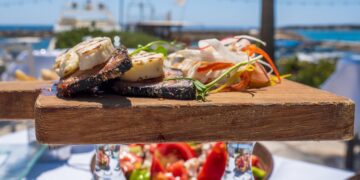
The food is Dalmatian, which means fresh grilled fish, black cuttlefish risotto, Pag cheese and cured ham, and it costs noticeably less than in Split or Dubrovnik. One local claim to fame is Maraschino, the cherry liqueur invented in Zadar. For the specific spots, we have rounded up where to eat in Zadar. As everywhere on the coast, eat a street or two back from the waterfront to avoid paying for the view.
How do you get to Zadar and around?
Zadar airport is about 11 kilometres from the centre. The airport shuttle bus meets flights and costs around 6 to 7 euro to the main bus station, while a taxi is roughly 25 to 30 euro. The old town is small and walkable, and you will not need a car unless you are exploring inland, so many people skip hiring one and use the local buses and island ferries instead. The ferry and catamaran port sits right by the old town for trips to Ugljan, Dugi Otok and the Kornati.
When is the best time to visit Zadar?
Late spring, in May and June, and September are the best, with warm sea, long days and far smaller crowds than the July and August peak, when the coast fills up and prices climb. High summer is hot and lively, good for the beaches and the Pag party scene but busy everywhere. Winter is very quiet, with many restaurants and ferries on reduced hours, so spring to early autumn is the window.
Is Zadar worth visiting?
Yes. You get a real Roman old town, two genuinely original waterfront artworks and a famous sunset in a small, walkable and affordable city, with Plitvice and Krka on the doorstep. It has none of the cruise-ship crush of Dubrovnik and costs less than Split. A day covers the old town and the Sea Organ, and two or three days let you add the beaches and a national park.
Is Zadar expensive?
It is one of the better-value spots on the Croatian coast, cheaper than Split and much cheaper than Dubrovnik. Rough 2026 prices to plan around.
| Item | Rough cost |
| Coffee | About 2 euro |
| Local beer | 3 to 4 euro |
| Dinner main | 12 to 18 euro |
| St Anastasia bell tower | About 2 euro |
| Airport shuttle bus | 6 to 7 euro |
| Taxi, airport to old town | 25 to 30 euro |
What should you skip in Zadar?
A couple of things are worth avoiding. Do not plan to swim under the Skradinski Buk falls at Krka, since swimming there was banned in 2021, and head to Plitvice for the views or a river spot for a dip instead. Skip the seafront restaurants on the busiest stretch of the Riva, where you pay for the position. Skip hiring a car if you are staying in the city, because the old town is walkable and parking is awkward. And do not rush Plitvice as a half-day, since it needs a full one to do properly.
Planning the trip
Base yourself near the old town, sort a day for Plitvice or Krka, and time at least one evening for the sunset at the Sea Organ. Two or three days is plenty for Zadar itself, with the beaches and a park on top. You can see how it links to the rest of the coast on our destinations map, and the official Zadar tourist board has current opening times.
FAQs
See the Roman Forum and St Donatus Church in the old town, climb the St Anastasia bell tower for the view, and spend sunset at the Sea Organ and the Greeting to the Sun on the waterfront. Add a swim at Kolovare beach and a day trip to Plitvice or Krka.
Kolovare is the easy town beach, 10 minutes from the old town, and the Borik area to the north has longer stretches and resorts. For the best beach, take a boat to Sakarun on Dugi Otok, a shallow white-sand bay. Croatian beaches are mostly pebble, so bring water shoes.
The Plitvice Lakes, about 90 minutes away, and Krka National Park, about an hour, are the big two. By boat, the Kornati islands and Pag island are both popular. Note that swimming is no longer allowed at Krka’s main falls.
Zadar is smaller, cheaper and calmer with the Sea Organ and easy park access, while Split is bigger and busier around Diocletian’s Palace with more nightlife and ferries. Choose Zadar for a relaxed, better-value base and Split for a livelier city, or do both, as they are about 90 minutes apart.
Yes. It has a Roman old town, the Sea Organ and Greeting to the Sun, a famous sunset and two national parks within a day trip, all at lower prices and with fewer crowds than Split or Dubrovnik. One day covers the sights, two or three add beaches and a park.