










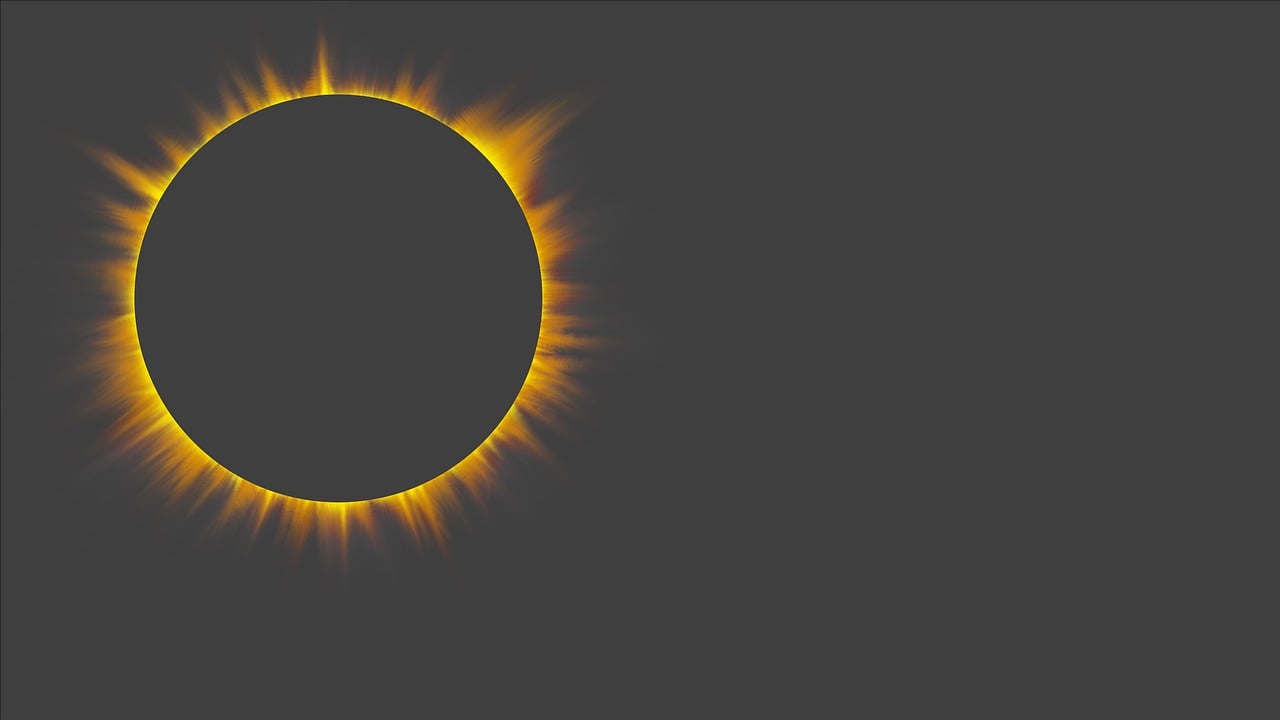
A total solar eclipse is one of the few travel experiences that genuinely feels unreal in real time: daylight drops fast, the temperature dips, shadows sharpen, and the sun turns into a black disk with a bright halo (the corona). You don’t need to be into astronomy to get it — you just need to be in the right place.
On Wednesday 12 August 2026, the path of totality crosses Greenland, Iceland and Spain. Spain is the most accessible option for most European travellers, and the timing is especially interesting because it happens late in the day, near sunset in parts of Spain — which can be stunning, but also changes how you pick your viewing spot.
This guide is structured for planning, not hype:
- where to go in Spain vs Iceland
- how to choose a location (clouds, horizon, logistics)
- 2–3 simple itineraries you can actually follow
- safety, packing, and photography tips
- FAQs
If you’re building a wider Europe route around this, the Europe Travel Guide is a useful “big picture” hub, especially for transport planning. And if you’re considering the Balearics for a beach-based eclipse trip, the Mallorca Travel Guide helps with base choices, beaches, and getting around.
Quick answer: Where should you go?
Here’s the simplest decision framework:
| Option | Best for | The trade-off |
|---|---|---|
| Northern Spain (mainland) | easiest logistics, lots of bases, road-trip friendly | bigger crowds in popular towns; you’ll want to plan parking + timing |
| Balearic Islands (Spain) | “eclipse + beach break” in one trip | you must pick a spot with a clear western horizon if it’s near sunset |
| Iceland | dramatic landscapes + “once in a lifetime” feel | weather risk is real; costs are higher; you need flexibility |
If you only do one thing: choose a viewing location with a clear horizon and a backup plan within 60–90 minutes.
What “totality” actually means (and why it matters)
A lot of people travel for an eclipse and accidentally watch only a partial eclipse. The difference is massive.
- Partial eclipse: the sun looks “bitten”, but it’s still daylight. You need eclipse glasses the whole time.
- Total eclipse (totality): the sun is fully covered for a short window (often under 2–3 minutes). Daylight drops, the corona shows, and you can briefly view it without glasses during totality only.
Bottom line: you must be inside the path of totality to get the “real” eclipse experience.
Best places to see the 2026 eclipse in Spain
Spain’s big advantage is logistics: airports, trains, roads, accommodation variety, and lots of base towns. The key planning detail for 2026 is that the eclipse timing in Spain is late afternoon / evening, and some sources describe it as at sunset. That makes horizon selection more important than in a midday eclipse.
Spain viewing strategy (the practical version)
Pick your base, then drive to a viewing point on the day.
What you want in a viewing location
- clear view of the sky where the sun will be (avoid steep mountains blocking the horizon)
- open space (fields, hilltops, wide viewpoints)
- easy access + safe parking
- an escape route (traffic after totality can be intense)
What you want to avoid
- narrow old towns with one main road
- cliffs with no shoulder parking
- “famous photo spots” that funnel crowds into one place
Mainland Spain: “inland north” is often a smart bet
If you can choose, inland areas typically give you:
- fewer coastal fog surprises
- easier parking
- more open horizons
You can build a simple road trip loop around a calm inland base, then do day trips.
Best places to see the 2026 eclipse in Iceland
Iceland’s appeal is obvious: if the sky cooperates, an eclipse over volcanic landscapes can look like another planet.
The downside is equally obvious: weather. This isn’t a “book once and forget” trip. The best Iceland eclipse trip is a flexible one: you choose a base that gives you multiple drive options, and you keep your day open.
Iceland viewing strategy (keep it flexible)
- Choose a base with multiple possible directions (so you can chase a gap in cloud).
- Have 2–3 possible viewing points pre-saved on your map.
- Prioritise open areas with big sky and safe pull-offs.
- Accept that you may drive last minute.
Spain vs Iceland: the honest comparison
| Factor | Spain | Iceland |
|---|---|---|
| Ease of travel | very easy | harder + more expensive |
| Weather risk | generally lower | higher |
| Viewing style | easy to base + drive | flexibility required |
| Trip “value” | eclipse + city/beach/food | eclipse + landscapes |
| Best for | first-time eclipse chasers | “bucket list” travellers |
If you’re travelling specifically for totality and you want the highest chance of actually seeing it: Spain is the safer bet. If you’re fine with a higher risk / higher reward trip: Iceland is unforgettable.
Sample itineraries (copy-paste planning)
Itinerary 1: Northern Spain base + eclipse day drive (4–6 days)
Best for: easiest logistics + classic Spain travel
Base idea: one inland city/town with good roads
Trip structure
- Day 1: arrive + settle in
- Day 2–3: day trips (food towns, viewpoints, hikes)
- Day 4: eclipse day (drive to viewing point early)
- Day 5: buffer day (in case you want a second attempt at a clearer spot)
- Day 6: depart
Eclipse day timeline (Spain)
| Time block | What you do | Why it matters |
|---|---|---|
| Morning | check forecast + pick viewing point | don’t lock yourself in too early |
| Midday | arrive early, park, scout horizon | this prevents “panic driving” |
| 60–90 mins before | set up (shade, water, tripod) | August heat + crowds are real |
| After totality | wait 20–40 mins before leaving | traffic spikes immediately after |
If you’re stitching Spain travel together by rail check out our article on Sleeper Trains Are Sexy Again – Europe’s Overnight Routes.
Itinerary 2: Mallorca eclipse + beach break (5–7 days)
Best for: eclipse trip that still feels like a holiday
Mallorca is a strong option if you want a relaxed base, good food, and beach time — and you can still drive to a viewpoint with a clean horizon.
Trip structure
- Day 1: arrive + base yourself (Palma or a beach town depending on your style)
- Day 2–3: coves, viewpoints, towns
- Day 4: eclipse day (pick a west-facing open spot)
- Day 5–7: beach + relaxed exploring
And because this is August, it’s also smart to check out our article:
Itinerary 3: Iceland base + flexible “cloud-chasing” day (5–8 days)
Best for: landscapes first, eclipse as the peak moment
Choose one base that lets you move if cloud cover is bad.
Trip structure
- Day 1–2: settle + short drives
- Day 3–4: longer scenic loop
- Day 5: eclipse day — keep the whole day flexible
- Day 6–8: buffer days (Iceland is never wasted, even if weather shifts)
Eclipse day rule: don’t over-plan. The best Iceland eclipse day is the one where you’re free to move.
What to pack (and what people forget)
Eclipse viewing essentials
- Certified eclipse glasses (for all partial phases)
- Paper map backup / offline maps (crowds can hit signal)
- Camping chairs or picnic blanket
- Water + snacks (don’t rely on one café near a viewpoint)
- Power bank
- Light layer (it can feel cooler during the eclipse)
August Spain extras
- sun hat, high SPF, electrolytes
- shade (small umbrella or beach shelter if you’re stationary)
Photography basics (keep it simple)
If you’re not an experienced solar photographer, don’t waste totality fiddling with gear.
- Use your phone for the atmosphere and reactions.
- If you bring a camera, use a solar filter for partial phases and be careful with your settings.
- Decide in advance: are you photographing, or watching?
Safety: don’t skip this
Never look at the sun without proper eye protection during partial phases. Totality is the only time it’s safe to view without glasses — and only while the sun is fully covered.
If you’re travelling with kids, make it easy:
- one pair of glasses per person
- practise putting them on properly
- set expectations that “the cool part” is short, and that’s normal
Wednesday 12 August 2026.
The path crosses Iceland and Spain (among other regions). You must be within the path of totality to see the full eclipse.
Spain is easier and often lower risk for weather. Iceland can be spectacular but needs flexibility and comes with a higher chance of cloud.
Yes in popular bases and famous viewpoints. That’s why this guide focuses on picking a base and driving to a viewing point with a clear horizon, rather than trying to watch from the “most obvious” spot.
If you’re aiming for key towns inside the path, yes, especially in Spain where eclipse tourism is expected to be significant.
Don’t lock yourself into one exact point too early. Pick a base, then choose the final viewing location based on the best forecast you can access on the day.