









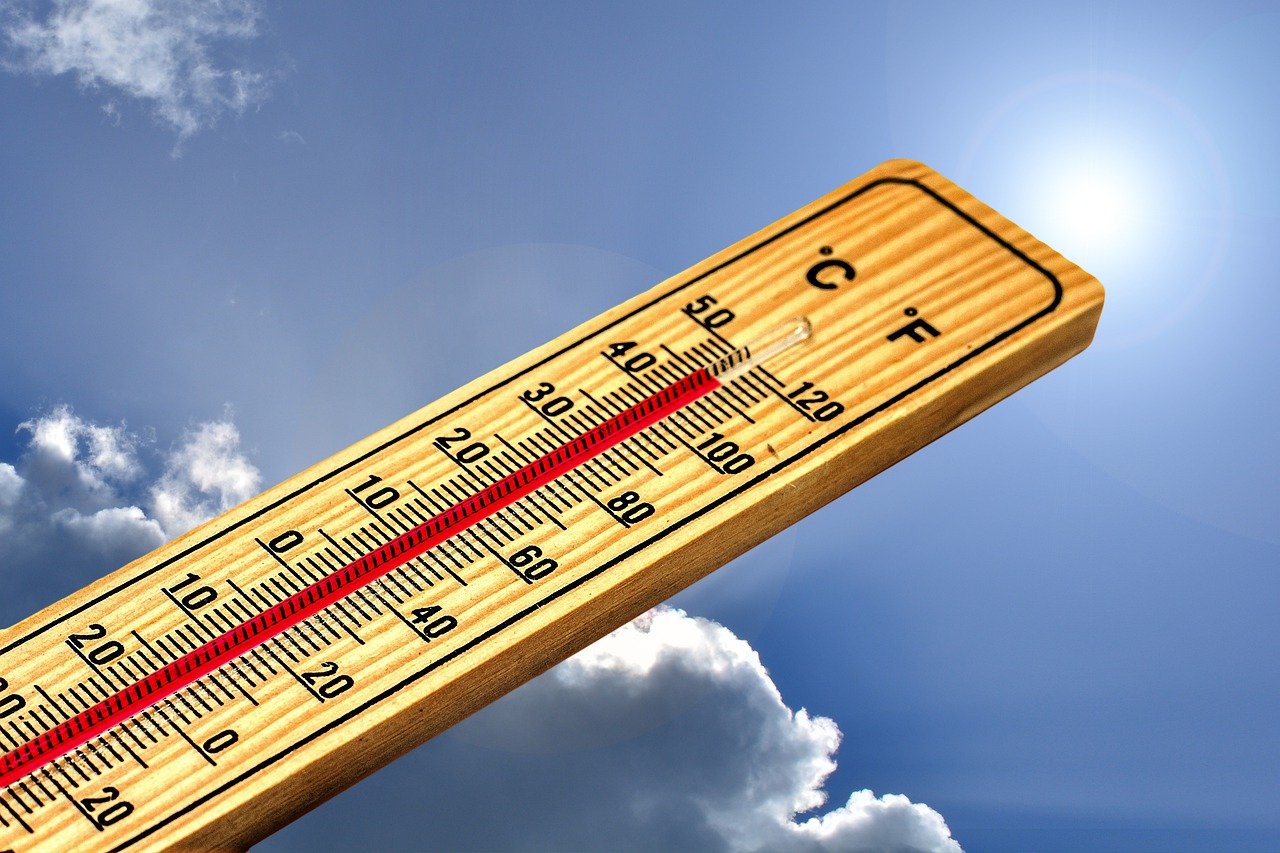
Spain is no stranger to sizzling summers, but 2025 is tracking well above the long-term heat average. AEMET thermometers already hit 42 °C in Mérida Spain Heatwave Travel Safety Guide 2026
Spain in summer can be rewarding, but the heat needs respect. Inland cities can push well above 40°C, pavements hold the heat long after sunset, and even short walks can feel demanding during a serious heatwave.
This Spain heatwave travel safety guide is for anyone visiting in summer 2026 who wants clear, practical advice before booking, packing or planning long sightseeing days. The aim is simple: avoid the worst heat, spot risk early and enjoy Spain at a safer pace.
Is Spain too hot to visit in summer?
Spain is not too hot to visit everywhere, but the type of trip matters.
A beach stay in Mallorca, the Costa Brava or the north coast can feel very different from a city break in Seville, Córdoba or Madrid during a heat alert. Coastal areas often have sea breezes, while inland cities and southern valleys can trap hot air for days.
For a broader view of where to go and how to plan by region, see our Spain travel guide. If you are leaning towards the Balearics, our Mallorca travel guide is a better fit than using mainland weather as your only reference.
Where does Spain get hottest in summer?
The highest summer temperatures are usually inland rather than directly on the coast. The hottest places are often in southern, central and eastern Spain, especially when warm air settles for several days.
| Area | Places to watch | Why it can feel intense |
|---|---|---|
| Andalusia | Seville, Córdoba, Jaén, Granada inland | Low valleys, strong sun and limited breeze |
| Extremadura | Mérida, Badajoz, Cáceres | Inland heat and long dry spells |
| Madrid and central Spain | Madrid, Toledo, Segovia inland routes | High summer sun and urban heat |
| Ebro Valley | Zaragoza and surrounding areas | Dry heat and exposed landscapes |
| Murcia and inland Valencia | Murcia, Alicante interior, Valencia interior | Hot inland air away from the coast |
Coastal Spain can still be hot, but humidity, breeze and access to water change the experience. The biggest mistake is assuming that “Spain in summer” feels the same everywhere.
How should you plan a day in Spain during a heatwave?
The safest approach is to build your day around the heat rather than forcing normal sightseeing hours.
| Time of day | Best use of time | What to avoid |
|---|---|---|
| Early morning | Walks, markets, viewpoints, outdoor photos | Long queues without shade |
| Late morning to afternoon | Museums, lunch indoors, rest, pool time | Exposed streets, hikes, city walls, open plazas |
| Early evening | Short walks, shops, shaded terraces | Overdoing it because it feels cooler |
| Late evening | Dinner, gentle strolls, local events | Drinking heavily after a dehydrating day |
In hot cities, the best sightseeing window may be much shorter than expected. A 9am start can make the difference between a pleasant morning and a draining day.
What should you check before travelling to Spain in extreme heat?
Before flying, do a few checks that can save a lot of stress later.
- Check the official AEMET weather warnings for your exact province, not just the nearest big city.
- Read the latest UK travel advice for Spain before departure.
- Confirm that your accommodation has working air conditioning, not just a fan.
- Check if your room is top-floor, west-facing or poorly shaded.
- Make sure your travel insurance covers disruption, medical treatment and emergency changes.
- Save the European emergency number: 112.
- Keep key documents available offline in case phone signal or battery becomes a problem.
A cheap room with no air con can quickly become a false economy during a severe heatwave.
What should you pack for Spain in very hot weather?
Packing for a Spanish heatwave is less about taking more and more about choosing things that reduce exposure.
| Item | Why it helps |
|---|---|
| Refillable water bottle | Makes regular drinking easier |
| Electrolyte tablets | Useful after sweating heavily |
| High-factor sunscreen | Needed even for short walks |
| Sunglasses with UV protection | Reduces glare and eye strain |
| Wide-brim hat or cap | Protects face and scalp |
| Lightweight long sleeves | Often better than bare skin |
| Small umbrella or parasol | Useful in exposed streets |
| Cooling towel | Helps on trains, buses and walks |
| Power bank | Keeps maps and alerts available |
| FFP2 mask | Helpful if wildfire smoke affects air quality |
Avoid relying only on vest tops and shorts. Loose, breathable coverage often works better in strong sun, especially when sightseeing.
How much water should you drink in Spain during a heatwave?
Drink regularly before you feel thirsty. In high heat, thirst can lag behind what your body needs.
A practical rhythm is:
- drink water before leaving your accommodation
- carry water even for short walks
- add electrolytes if you are sweating heavily
- eat salty snacks if meals are delayed
- avoid making alcohol your main fluid intake
- take extra care after flights, long train journeys or poor sleep
Cold soup, fruit, olives, nuts and simple salty foods can help alongside water. Heavy meals at the hottest part of the day can leave you feeling sluggish, especially if followed by more walking.
For wider health guidance, the WHO Europe heatwave advice is useful before travelling with children, older relatives or anyone with medical conditions.
What are the warning signs of heat exhaustion?
Heat exhaustion can come on quickly, especially after walking, queuing or drinking alcohol in the sun.
Common signs include:
- dizziness
- headache
- nausea
- heavy sweating
- muscle cramps
- fast pulse
- tiredness or weakness
- feeling faint
Move into shade or air conditioning, loosen clothing, drink water slowly and cool the body with wet cloths or a cool shower. Do not continue sightseeing to push through it.
When is heat stroke an emergency?
Heat stroke is a medical emergency. Call 112 immediately if someone becomes confused, stops sweating despite the heat, collapses, has a seizure or has very hot skin.
While waiting for help:
- move them away from direct sun
- cool the body as quickly as possible
- use wet towels, ice packs or a fan if available
- do not give alcohol
- do not leave them alone
Heat stroke can affect fit and healthy people too. It is not only a risk for older people.
How can you stay safe on transport in hot weather?
Transport can make heat feel worse because delays, crowds and poor ventilation reduce your control.
Trains
Long-distance trains in Spain are usually more comfortable in summer than slow regional services, but always carry water. Platforms can be exposed and delays can leave you waiting in full sun.
Cars
Never leave children, pets or vulnerable adults in a parked car, even briefly. Interior temperatures rise fast. Use windscreen shades, park in shade where possible and let the car cool before long drives.
Buses and coaches
Check if your route involves waiting at open-air stops. A short transfer can become uncomfortable if there is no shelter.
Walking between sights
Maps can underestimate summer effort. A 20-minute walk across exposed streets at 2pm can feel harder than a much longer walk in the morning.
If you are planning a wider route across the continent, our Europe travel guide can help you compare train, car and flight options more sensibly.
Should you change your itinerary during a Spanish heatwave?
Yes, if the forecast is severe. Changing plans is not overreacting. It is sensible travel.
Consider swapping:
- midday walking tours for early morning self-guided routes
- exposed viewpoints for indoor museums
- long hikes for shaded gardens or short coastal walks
- day trips with multiple transfers for one simpler base
- outdoor lunches for air-conditioned restaurants
- packed city days for one main sight and a slower evening
If you are visiting Spain for the 2026 solar eclipse, heat and crowding will both matter. Our 2026 total solar eclipse travel guide for Spain and Iceland covers route planning and flexibility for that specific trip.
Are wildfires a risk in Spain during summer?
Wildfires can happen in mainland Spain and the islands, particularly during hot, dry and windy periods. Most visits are unaffected, but the risk is worth taking seriously if you are staying in rural areas, driving through forested regions or booking villas outside towns.
Basic wildfire safety:
- follow local fire bans
- do not use barbecues where restrictions are in place
- avoid parking on dry grass
- keep windows closed if smoke affects air quality
- follow evacuation instructions immediately
- check road closures before driving through rural areas
If the air smells smoky or visibility drops, reduce outdoor activity and check local updates before continuing.
Where is easier to visit in Spain during extreme heat?
No destination is guaranteed to be cool in summer, but some choices are usually easier than others.
| Better for hot spells | More demanding in a heatwave |
|---|---|
| Northern Spain | Inland Andalusia |
| Atlantic coast | Central Madrid at midday |
| Balearic beaches with shade | Open inland towns |
| Coastal Catalonia | Exposed archaeological sites |
| Mountain villages with cooler evenings | Long city walking routes |
This does not mean avoiding Seville, Córdoba, Madrid or Granada completely. It means planning them properly. Stay central, start early, book air-conditioned rooms and keep afternoons light.
What should families do differently in Spain during a heatwave?
Children overheat faster than adults and may not explain how bad they feel until they are already struggling.
For family trips:
- plan one main activity per day
- keep snacks and water easy to reach
- choose accommodation with reliable cooling
- avoid long pram walks in full sun
- use shaded playgrounds only in cooler hours
- keep beach time to morning or late afternoon
- never cover a pram with thick fabric as it can trap heat
A pool does not remove heat risk. Children can still dehydrate while playing in water.
What should older visitors or people with health conditions consider?
Heat can place extra strain on people with heart conditions, breathing issues, diabetes, kidney problems or reduced mobility. Some medication can also affect hydration or temperature regulation.
Before travelling in peak summer, it may be worth checking:
- if your accommodation has lifts and cooling
- how far you need to walk from transport stops
- if taxis are easy to access
- how close you are to pharmacies or clinics
- if your medication needs cool storage
- if your insurance covers existing conditions
Build in rest days. Spain is much easier in extreme heat when you do not have to move hotels every night.
Final advice for visiting Spain in extreme heat
Spain can still be a good summer trip, but the hottest days need proper planning. Slow the pace, stay flexible and treat shade, water and air conditioning as essentials.
Get outside early. Keep afternoons light. Check official warnings by province. Choose accommodation with reliable cooling. Change plans when the heat makes the original route too much.
A safer trip is usually a better trip.
FAQs
There is no single safe cut-off because humidity, wind, shade, age, health and activity level all matter. That said, sightseeing becomes much harder once temperatures move towards the high 30s, and days above 40°C need a more cautious plan.
Short, shaded walks may be manageable for some people, but long walks in direct sun are a bad idea. Keep outdoor activity to early morning or evening and use taxis, public transport or indoor breaks during the hottest hours.
Not always. Many trips can continue safely with adjusted plans. Consider changing your itinerary if you planned hikes, long city walks, rural stays with wildfire risk or accommodation without air conditioning.
Beaches can feel cooler than inland streets, but sun exposure is still intense. Use shade, drink water, avoid the middle of the day and take extra care with children.
Call 112 for emergency help in Spain. It works across the EU and should be saved before you travel.
For city breaks and sightseeing, spring and autumn are usually more comfortable than July and August. May, early June, September and October often work better for walking-heavy trips, though weather varies by region.