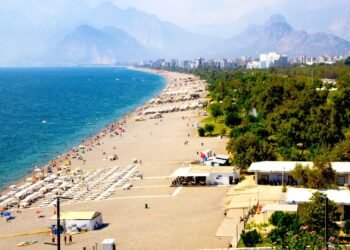











Genoa is not a polished Italian showpiece. That is why it is interesting.
It has grand palaces, steep lanes, working port views, old churches, seafood, pesto, narrow caruggi, hill lifts, gritty corners and some of the best food in northern Italy. It can feel confusing on arrival, especially if you expect every Italian city to look like Florence or Verona. Genoa works differently.
The question is not just what to see in Genoa. It is whether Genoa suits your trip, where you should stay, how much time you need, and how to use it without missing what makes it distinct.
Is Genoa worth visiting?
Yes, Genoa is worth visiting if you like historic cities with edge, strong local food, port atmosphere and easy access to the Ligurian coast.
It suits:
- Italy return trips
- food-focused city breaks
- travellers who like less polished cities
- short stays before Portofino or Cinque Terre
- museum and maritime history trips
- couples who prefer character over postcard perfection
- people arriving by train or cruise
Genoa is less suited to travellers who want a neat, romantic city break with everything softened for visitors. It is not Venice, Verona or Lake Como. It feels older, denser and more lived-in.
That is also the point.
What is Genoa known for?
Genoa is known for its historic port, pesto, focaccia, narrow old town lanes, Palazzi dei Rolli, maritime history, Genoa Aquarium and access to the Ligurian coast.
Its old wealth came from the sea, trade and banking. You feel that contrast everywhere: dark lanes leading to marble palaces, simple bakeries beside ornate churches, harbour cranes behind Renaissance façades.
The Strade Nuove and Palazzi dei Rolli are UNESCO-listed. UNESCO describes them as Renaissance and Baroque palaces from the period when the Republic of Genoa was at the height of its financial and seafaring power.
If UNESCO places shape your travel planning, our UNESCO section is a useful place to compare Genoa with other heritage-led trips.
How many days do you need in Genoa?
Two days is enough for a first visit. Three days is better if you want museums, food, the old town and one coastal stop without rushing.
| Time in Genoa | What it suits |
|---|---|
| Half day | Quick port and old town walk |
| 1 day | Cathedral, Via Garibaldi, Porto Antico and food stops |
| 2 days | Main sights, Aquarium or museum, Boccadasse or Nervi |
| 3 days | Genoa plus Portofino, Camogli or a slower coast day |
| 4+ days | Ligurian base with Cinque Terre, coast and inland trips |
Do not treat Genoa only as a station on the way to somewhere prettier. Give it at least one night if you want it to make sense.
Where should you stay in Genoa?
Where you stay changes how Genoa feels. Some areas are better for first-time visitors. Others suit people who already know the city or want a quieter base.
| Area | Best for | What to know |
| Centro Storico | First visit, food, old streets | Atmospheric but can feel intense at night |
| Porto Antico | Families, Aquarium, waterfront | Practical and easier for short stays |
| Brignole area | Train links and onward travel | Good for day trips and transport |
| Principe area | Station access and port | Useful but choose accommodation carefully |
| Castelletto | Views and quieter stays | Hillier, calmer, good for couples |
| Boccadasse | Seaside feel | Pretty but smaller and less central |
| Nervi | Coast walks and slower stays | Better for a relaxed coastal base |
For a first visit, Porto Antico, Brignole or the edge of the historic centre is usually easier than staying deep inside the old town. You still get atmosphere, but with simpler access and less confusion at night.
Is Genoa old town safe?
Genoa’s old town is safe enough for normal travel, but it can feel uneasy in places because the lanes are narrow, dark and maze-like.
During the day, the historic centre is one of the best parts of the city. At night, stick to busier routes if you do not know the area.
Sensible tips:
- stay aware in narrow lanes
- keep your phone and wallet secure
- avoid empty side streets late at night
- use main routes back to your hotel
- choose accommodation carefully
- do not rely only on GPS in tight alleys
- ask your hotel which streets are best after dark
This is not a reason to avoid Genoa. It is a reason to choose your base well and move around with normal city awareness.
What are the best things to do in Genoa?
Genoa is strongest when you mix the old town, palaces, port and food. Do not spend the whole trip in one area.
Walk the Centro Storico
The old town is the part of Genoa that explains the city best. The caruggi are narrow, sometimes dark, sometimes beautiful and often surprising.
You will find:
- small churches
- bakeries
- palaces hidden behind plain doors
- local shops
- street food counters
- busy squares
- lanes that suddenly open into grand spaces
Do not overplan the old town. Pick a few anchor points, then wander between them during daylight.
Visit Cattedrale di San Lorenzo
Cattedrale di San Lorenzo is Genoa’s main cathedral. Its striped façade, side carvings and central position make it one of the easiest first stops.
It sits close to the old town and Porto Antico, so it works well at the start of a walking route.
See Via Garibaldi and the Palazzi dei Rolli
Via Garibaldi is one of Genoa’s most important streets. It is lined with grand palaces that show the wealth Genoa once held.
Visit Genoa notes that the UNESCO site includes 42 palaces, while more than 100 still stand across the historic centre. Many are private, but some can be visited all year.
This is the place to understand Genoa beyond the port. The city was not only maritime. It was rich, powerful and deeply connected to European trade and finance.
Explore Porto Antico
Porto Antico is the easiest waterfront area for visitors. It has open space, views, museums, restaurants and the Aquarium.
It is more straightforward than the old town and works well if you are travelling with children or want a calmer first evening.
Visit the Aquarium of Genoa
The Aquarium of Genoa is one of the city’s biggest attractions, especially for families and rainy days. The official Aquarium site describes it as Europe’s largest aquarium and lists it in the Porto Antico area.
Book ahead if you are visiting during weekends, school holidays or cruise-heavy periods.
Go to Galata Museo del Mare
Galata Museo del Mare is the maritime museum to prioritise if you want to understand Genoa’s relationship with the sea.
It is useful because it connects the city’s port, migration history and maritime identity in one place. Pair it with Porto Antico rather than trying to squeeze it into an old town walk.
Take a lift or funicular for the view
Genoa is vertical. Public lifts and funiculars are part of daily transport, not tourist gimmicks.
Use them to reach viewpoints such as Castelletto or Righi. The view helps you understand the city’s shape: port below, palaces and lanes in the centre, hills behind.
Visit Boccadasse
Boccadasse is the pretty fishing village most people expect Genoa to have. It has colourful houses, a small bay and a softer seaside feel.
Go for sunset, a short walk or a simple seafood stop. It is small, so do not plan half a day around it unless you want to sit and slow down.
Walk the Nervi promenade
Nervi gives you a different side of Genoa. It is greener, calmer and more coastal, with a seafront promenade and parks.
Choose Nervi if you want sea air without leaving the city area properly.
Can you swim in Genoa?
Yes, you can swim in Genoa, but it is not a classic beach city. Expect small coves, pebble areas, bathing platforms and lidos rather than wide sandy beaches.
Good areas include:
- Boccadasse
- Sturla
- Vernazzola
- Quarto
- Nervi
- paid lidos along the coast
If beaches are a major part of your trip, Genoa is better as a city base with coastal access, not as your main beach holiday. For more beach-led travel planning, our beaches guides are a better place to compare destinations.
What should you eat in Genoa?
Genoa is one of Italy’s strongest food cities if you know what to order.
Try:
- pesto alla genovese
- trofie al pesto
- focaccia genovese
- focaccia di Recco
- farinata
- pansoti with walnut sauce
- minestrone alla genovese
- stuffed vegetables
- fried anchovies
- seafood
- Ligurian white wine
This is where Genoa often beats more polished cities. You can eat very well without turning every meal into a formal restaurant booking.
At VayCay Couple, we think Genoa is at its best when food shapes the day: focaccia in the morning, a market stop at lunch, pesto somewhere simple and a coastal seafood meal if the weather is right.
If food is a big part of your Italy planning, our food section is useful for comparing dishes by destination.
Where should you eat in Genoa?
Do not choose only by view. Some of the best food is away from the most obvious waterfront tables.
Good places to look:
| Area | Best for |
| Centro Storico | Focaccia, farinata, pesto, casual meals |
| Mercato Orientale | Produce, lunch, food hall options |
| Porto Antico | Convenient meals near museums |
| Boccadasse | Seafood and sunset meals |
| Nervi | Slower coastal dining |
| Brignole area | Practical dinners near transport |
For casual local eating, bakeries and friggitorie are often more useful than formal restaurants. For sit-down meals, check our broader restaurants guides for destination food planning.
Is Genoa good for street food?
Yes. Genoa is very good for street food because many local dishes are easy to eat on the move.
Look for:
- focaccia
- farinata
- panissa
- fried anchovies
- vegetable pies
- takeaway pesto pasta
- fried seafood cones
The city is ideal for food that fits around walking. A piece of focaccia in Genoa can be more useful than a full lunch if you are moving between the old town and the port.
Our street food section is a natural place to compare this with other food-led cities.
How do you get around Genoa?
Genoa is walkable in parts, but the hills and tight lanes make transport useful.
Use:
- walking for the old town and port
- metro for simple cross-centre movement
- buses for outer areas
- public lifts and funiculars for hills
- trains for Nervi, Camogli and coastal towns
- taxis for late arrivals or awkward luggage
The AMT Volabus connects Genoa Airport with the main railway stations, Genova Piazza Principe and Genova Brignole, in about 30 minutes.
Do you need a car in Genoa?
No. A car is usually a bad idea for Genoa city breaks.
The centre has narrow streets, traffic restrictions, parking issues and hills. Use public transport, trains and walking instead.
A car only helps if you are using Genoa as part of a wider Liguria or northern Italy road trip.
How do you get to Genoa?
Genoa is easy to reach by train, air, car or cruise.
By train
Train is often the best option if you are coming from Milan, Turin, Pisa, La Spezia, Cinque Terre or other parts of Liguria.
The two main stations are:
- Genova Piazza Principe
- Genova Brignole
Choose accommodation based on which station you will use most.
By air
Genoa Cristoforo Colombo Airport is close to the city, and the Volabus links the airport with central stations. Taxis are also practical because the airport is not far from the centre.
By cruise
Genoa is a major cruise port. If you are arriving by cruise, keep the plan simple. Focus on the old town, cathedral, Via Garibaldi and Porto Antico rather than trying to add the coast.
Can you visit Portofino from Genoa?
Yes, Portofino is one of the most popular trips from Genoa. It works best by train and boat combination, usually via Santa Margherita Ligure, depending on season and sea conditions.
Portofino is beautiful but small and expensive, so do not build the whole day around eating there unless that is the point. A better plan is often to combine Santa Margherita Ligure, the walk or boat to Portofino, and time by the coast.
If Portofino is the reason you are staying in Genoa, our guide on how to get to Portofino from Genoa is the more useful next read.
Can you visit Cinque Terre from Genoa?
Yes, but it can be a long day. Genoa is not the worst base for Cinque Terre, but La Spezia or Levanto are more practical if Cinque Terre is your main focus.
Use Genoa for Cinque Terre if:
- you only want a taste
- you do not mind train time
- you are already staying in Genoa
- you prefer a city base
Stay closer to Cinque Terre if:
- you want sunrise or sunset there
- you want to hike
- you dislike crowded trains
- Cinque Terre is the main part of the trip
Genoa is better as a Ligurian city base than as the perfect Cinque Terre base.
How does Genoa fit into an Italy trip?
Genoa fits best into northern Italy and Liguria routes.
Good combinations include:
- Milan and Genoa
- Genoa and Portofino
- Genoa and Cinque Terre
- Genoa, Camogli and Nervi
- Genoa and Turin
- Genoa, Pisa and Lucca
If your wider Italy trip already includes Rome, Verona, Lake Como or Venice, Genoa adds a very different texture: port city, food city, working city.
For broader planning, the destinations map can help you decide whether Genoa belongs in the same route as other northern stops or should be saved for a Liguria-focused trip.
When is the best time to visit Genoa?
Spring and early autumn are usually the best times to visit Genoa. The weather is pleasant, the coast is useful, and the city is easier to walk than in midsummer heat.
| Season | Best for | What to expect |
| Spring | Walking, food, coastal trips | Mild weather, good city pace |
| Summer | Swimming, long evenings, coast | Heat, humidity and busier beaches |
| Autumn | Food, museums, coast if warm | Good balance and fewer crowds |
| Winter | Museums, old town, lower prices | Cooler, wetter, less beach appeal |
May, June, September and early October are strong choices. July and August work better if swimming matters, but the city can feel hot and sticky.
Is Genoa expensive?
Genoa is usually better value than Venice, Florence, Lake Como or the Amalfi Coast. It is not always cheap, but accommodation and food can be more manageable.
| Budget style | Daily estimate | What it usually covers |
| Budget | €60 to €100 | Simple room, focaccia, public transport, low-cost sights |
| Mid-range | €120 to €220 | Comfortable hotel, restaurants, museums, coastal train |
| Higher-end | €260+ | Better hotel, seafood, taxis, private trips |
Costs rise in peak summer and around major events. Seafood near the coast and waterfront restaurants can raise the budget quickly.
What should you book ahead?
Book ahead for:
- Genoa Aquarium
- popular weekends
- central hotels
- Portofino boat trips in season
- restaurants in Boccadasse or Nervi
- train tickets for longer journeys
- museums if visiting during busy dates
- cruise-day plans if you have limited time
For the Aquarium, use the official Acquario di Genova site for current tickets and opening details.
Common Genoa travel mistakes
Avoid these if you want the city to work better:
- expecting Genoa to feel like Florence
- staying deep in the old town without checking the street
- skipping the Palazzi dei Rolli
- eating only near Porto Antico
- using a car for the city centre
- treating Genoa only as a gateway to Portofino
- underestimating the hills
- wearing weak shoes in the caruggi
- trying to do Cinque Terre and Portofino in one rushed day
- ignoring local food beyond pesto
Genoa rewards travellers who accept its rough edges.
FAQs
Yes for headline sights; add two extra if you crave day-trips to Camogli or Cinque Terre.
Centro Storico lanes can feel eerie but violent crime is rare. Stick to lit routes, avoid showing smartphones like lighthouses.
Volabus shuttle to Brignole or Principe station €6, runs half-hourly 05:00-00:30.
Pansoti in salsa di noci, ravioli stuffed with foraged greens, cloaked in walnut-cream sauce.
Combo ticket: Aquarium, Galata Sea Museum, and submarine, all under roofs within 300 m.
Yes: stroll or bus east to Sturla or Boccadasse. Water quality flags green most summer days.