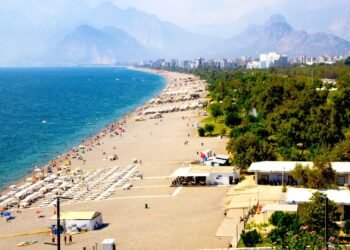











Egypt is one of the few places where a single trip can include ancient temples, desert roads, Red Sea reefs, busy markets and slow mornings on the Nile.
For a first visit, the challenge is not finding things to do. It is deciding how much to fit in without turning the trip into a rush between airports, hotels and early starts.
This Egypt travel guide covers the best time to visit, where to go, how to plan a first route, what to budget, what to wear, how to stay safe and how to make the most of Cairo, Luxor, Aswan, the Nile and the Red Sea.
Is Egypt worth visiting in 2026?
Yes, Egypt is still one of the most rewarding long-haul trips for history, winter sun and good-value adventure.
The main reason to go is the scale of what you can see. The Pyramids of Giza, the Grand Egyptian Museum, Karnak, Luxor Temple, the Valley of the Kings and Abu Simbel are not small checklist sights. They are major world landmarks, and many can be built into one well-planned route.
Egypt also works well if you want more than ancient history. Hurghada, Sharm el-Sheikh, Dahab and Marsa Alam offer beaches, diving and snorkelling. The White Desert, Siwa Oasis and Sinai bring a very different side of the country.
Egypt is not always an effortless trip. Traffic can be heavy, bargaining can be tiring, heat can be intense and early starts are common. A good plan makes a big difference.
Quick Egypt travel facts
| Travel fact | Detail |
|---|---|
| Capital | Cairo |
| Currency | Egyptian pound |
| Main language | Arabic |
| Best months | October to April for sightseeing |
| Hottest months | June to August |
| Good first trip length | 7 to 10 days |
| Best airport for first visits | Cairo |
| Best for beaches | Hurghada, Sharm el-Sheikh, Dahab, Marsa Alam |
| Emergency number | 123 for ambulance, 122 for police, 180 for fire |
| Plug type | Type C and F, 220V |
UK and EU visitors usually need a visa. Many tourists can apply online or use visa on arrival, but always check the latest rules before travelling.
When is the best time to visit Egypt?
The best time to visit Egypt, Africa for sightseeing is October to April. Temperatures are more manageable, especially in Cairo, Luxor and Aswan.
| Season | Weather and crowds | Best for |
|---|---|---|
| October to November | Warm, popular, good for most routes | Cairo, Nile cruises, Luxor, Aswan |
| December to February | Cooler, busy around holidays | Pyramids, temples, museums, desert trips |
| March to April | Warm, often good value | Red Sea, desert, mixed itineraries |
| May to June | Hotter, fewer crowds | Diving, lower hotel prices |
| July to August | Very hot inland | Red Sea resorts, night visits, slow travel |
| September | Hot but improving | Beach stays and early autumn trips |
For a first Egypt trip, November, early December, February and March often work well. You avoid the worst heat but still get plenty of sun.
Ramadan in 2026 falls around February to March, with dates based on the moon. Travel is still possible and can be memorable, but some opening hours, restaurant rhythms and local routines may change. Evenings can feel lively after iftar.
How many days do you need in Egypt?
Seven days is enough for Cairo, Luxor, Aswan and a short Red Sea stay if you move quickly. Ten days is much better for a first trip.
| Trip length | Best route |
|---|---|
| 5 days | Cairo and Luxor |
| 7 days | Cairo, Luxor, Aswan and one Red Sea stop |
| 10 days | Cairo, Nile cruise, Abu Simbel and Red Sea |
| 14 days | Add Siwa, White Desert, Dahab or more beach time |
If this is your first time, do not try to see every major stop in one week. Egypt rewards slower planning, especially because many temple visits start early to avoid heat and crowds.
Where should you go on a first trip to Egypt?
For a first visit, build the route around Cairo, Luxor and Aswan. Then add the Red Sea if you want rest, diving or snorkelling.
Cairo and Giza
Cairo is busy, loud and full of history. Most first visits should include the Pyramids of Giza, the Sphinx, the Grand Egyptian Museum and at least one older part of the city.
Stay at least two nights if you can. One full day for Giza and the museum is possible, but two full days give you more space.
Luxor
Luxor is one of the best places in Egypt for ancient sites. It gives you Karnak, Luxor Temple, the Valley of the Kings, the Valley of the Queens and the west bank tombs.
Plan at least two nights. Start early each day because the heat builds quickly.
Aswan
Aswan is calmer than Cairo and Luxor. It is a good base for Philae Temple, Nubian villages, felucca rides and Abu Simbel trips.
Stay one or two nights before or after a Nile cruise.
Nile cruise
A Nile cruise between Luxor and Aswan is one of the easiest ways to see several temples without repacking every day. Most cruises last three or four nights.
Choose the cruise carefully. The route is similar across many boats, but comfort, food, guide quality and room standards vary.
Red Sea
Add Hurghada, Sharm el-Sheikh, Dahab or Marsa Alam if you want diving, snorkelling or beach time.
Hurghada is easiest to combine with Luxor. Sharm el-Sheikh and Dahab work better for Sinai routes. Marsa Alam is quieter and strong for reef-focused trips.
Best places to visit in Egypt
Pyramids of Giza and the Sphinx
The Pyramids of Giza are the headline sight for most first visits. Go early, wear comfortable shoes and agree any camel or horse carriage price before accepting.
The site is large, hot and exposed. Bring water, sun protection and patience. A good guide can help cut through the noise and explain what you are seeing.
Grand Egyptian Museum
The Grand Egyptian Museum is now one of Cairo’s main reasons to stay longer. It sits close to Giza and brings together major ancient Egyptian collections in a modern setting.
Check opening times and ticket details on the Grand Egyptian Museum website before you go. Pairing the museum with the pyramids can work, but it makes for a full day.
Egyptian Museum in Tahrir
The older Egyptian Museum in Tahrir still matters, especially for travellers interested in the history of Egyptology and older collections.
If time is short, choose the Grand Egyptian Museum first. If you have two or more days in Cairo, consider both.
Islamic Cairo and Khan el-Khalili
Islamic Cairo gives you mosques, old lanes, markets and historic architecture. Khan el-Khalili is busy and touristy in parts, but it is still worth seeing.
Go with small cash, expect bargaining and keep your bag close in crowded areas.
Coptic Cairo
Coptic Cairo is a calmer part of the city for churches, narrow lanes and religious history. It works well as a half-day alongside the National Museum of Egyptian Civilization or another Cairo stop.
Karnak Temple
Karnak is one of Egypt’s most impressive temple sites. It is large, layered and best seen with a guide or a little reading before arrival.
Go early for cooler air and better light.
Luxor Temple
Luxor Temple is excellent in the evening when the stone is lit and the heat drops. It is easy to visit from central Luxor and pairs well with dinner nearby.
Valley of the Kings
The Valley of the Kings is a must-see in Luxor. Standard tickets usually include entry to selected tombs, while some special tombs need extra tickets.
Decide in advance if you want to pay for extra tombs, and start as early as possible.
Abu Simbel
Abu Simbel is far from Aswan but worth the effort if your schedule allows it. Most visitors go by early morning road convoy or a short flight.
It is a long day, so do not add it to an already packed itinerary unless you are comfortable with very early starts.
Philae Temple
Philae Temple near Aswan is reached by boat and is one of the most memorable temple visits in southern Egypt. It is manageable, scenic and easier than some larger sites.
White Desert
The White Desert is a strong choice if you want something beyond temples and cities. Expect long drives, desert camping, cold nights outside summer and basic conditions.
Use a reputable operator and check current travel advice before booking.
Red Sea reefs
Egypt’s Red Sea coast is one of the best-value places for diving and snorkelling. Hurghada, Sharm el-Sheikh, Dahab and Marsa Alam each suit different trips.
If you do not dive, you can still snorkel from boats, beaches or reef platforms depending on the resort.
A 7-day Egypt itinerary for first-time visitors
This route moves quickly but covers the main first-time highlights.
| Day | Route | Plan |
|---|---|---|
| Day 1 | Cairo | Arrive, settle in, short Nile or downtown walk |
| Day 2 | Giza and Cairo | Pyramids, Sphinx and Grand Egyptian Museum |
| Day 3 | Cairo to Luxor | Fly or train to Luxor, visit Luxor Temple at night |
| Day 4 | Luxor | Valley of the Kings, Hatshepsut Temple and Karnak |
| Day 5 | Luxor to Aswan | Start cruise or travel south, visit Edfu or Kom Ombo if cruising |
| Day 6 | Aswan | Philae Temple, felucca ride and Nubian village |
| Day 7 | Cairo or Red Sea | Fly back to Cairo or continue to Hurghada |
This route is best if you are comfortable with early starts and moving often. For a calmer trip, make it 10 days.
A better 10-day Egypt itinerary
A 10-day route gives you enough time to see the main sights and rest.
| Day | Route | Plan |
|---|---|---|
| Day 1 | Cairo | Arrive and recover from the flight |
| Day 2 | Giza | Pyramids, Sphinx and Grand Egyptian Museum |
| Day 3 | Cairo | Islamic Cairo, Coptic Cairo or extra museum time |
| Day 4 | Luxor | Fly or train to Luxor, evening at Luxor Temple |
| Day 5 | Luxor | West Bank tombs and Karnak |
| Day 6 | Nile cruise | Sail towards Edfu and Kom Ombo |
| Day 7 | Nile cruise | Temple stops and slow river time |
| Day 8 | Aswan | Philae Temple and felucca ride |
| Day 9 | Abu Simbel or Red Sea | Choose a long temple day or beach transfer |
| Day 10 | Cairo | Return for departure |
If you want proper beach time, add two more nights on the Red Sea instead of squeezing it into the final day.
Cairo, Nile cruise or Red Sea: how should you split your trip?
The right split depends on your main reason for visiting.
| Trip style | Best split |
|---|---|
| First-time history trip | Cairo, Luxor, Aswan and Nile cruise |
| Winter sun trip | Cairo plus Hurghada or Sharm el-Sheikh |
| Diving trip | Red Sea first, short Cairo add-on |
| Slow cultural trip | Cairo, Luxor and Aswan without rushing |
| Adventure trip | Add White Desert, Sinai or Siwa |
For most first-time visitors, the best balance is three nights Cairo, three or four nights Nile route and two or three nights by the Red Sea.
What should you know before booking a Nile cruise?
A Nile cruise can be excellent, but do not choose only by price.
Check:
- how many nights are included
- if temple tickets are included
- if a qualified guide is included
- what cabin type you are booking
- if drinks are extra
- where the boat docks
- how early daily starts are
- if Abu Simbel is included or optional
Most Nile cruises follow similar routes, so the guide, boat standard and pace matter more than a long list of stops.
Is Egypt safe for tourists?
Many people visit Egypt safely each year, especially on standard routes such as Cairo, Giza, Luxor, Aswan and Red Sea resorts. That said, you should check current travel advice before booking and again before departure.
Use the UK foreign travel advice for Egypt if you are travelling from the UK. Guidance can differ by region, and some areas may carry extra warnings.
Practical safety tips:
- use licensed taxis, hotel cars or trusted ride apps
- avoid political gatherings or protests
- keep valuables secure in crowded areas
- dress with local customs in mind
- agree prices before accepting services
- use reputable tour operators for desert or remote trips
- keep a copy of your passport and visa
- take travel insurance that covers your full route
The main visitor issues in tourist areas are usually hassle, overcharging and poor price clarity rather than serious danger. Staying calm and being clear helps.
Do UK travellers need a visa for Egypt?
UK travellers usually need a visa for Egypt. Many visitors can apply for an e-Visa before travelling or buy a visa on arrival, depending on their passport and route.
Before travelling, check the official Egypt e-Visa portal and your government travel advice. Your passport should usually have at least six months’ validity from your date of entry.
Do not rely only on old blog posts or social media comments for visa rules. Entry requirements can change.
What should you wear in Egypt?
Egypt is generally more conservative than many beach destinations, especially away from Red Sea resorts.
For Cairo, Luxor, Aswan and local towns, lightweight modest clothing works best.
Good choices include:
- loose trousers or long skirts
- T-shirts or shirts that cover shoulders
- breathable linen or cotton
- comfortable walking shoes
- scarf or light layer for mosque visits
- hat and sunglasses
- swimwear for resorts, boats and hotel pools
At Red Sea resorts, beachwear is normal around pools and beaches. Cover up when leaving the resort, visiting towns or going into restaurants away from the beach.
What should you pack for Egypt?
Pack light, but make room for heat and long days.
Useful items include:
- high-factor sunscreen
- refillable water bottle
- rehydration salts
- sunglasses
- sun hat
- hand sanitiser
- tissues
- power bank
- plug adapter
- comfortable shoes
- light scarf
- small cash wallet
- dry bag for boat trips
- motion sickness tablets if cruising
For desert trips, bring a warm layer. Nights can feel cold, even after hot days.
Can you drink tap water in Egypt?
Most visitors should drink bottled or filtered water in Egypt. Use bottled water for drinking and consider it for brushing teeth if you have a sensitive stomach.
Take care with ice, salads and unpeeled fruit in basic places. Busy restaurants with high turnover are usually a better choice than empty tourist spots.
What should you eat in Egypt?
Egyptian food is filling, affordable and often vegetarian-friendly.
Try:
- koshari
- taameya, Egyptian falafel made with fava beans
- ful medames
- grilled kofta
- molokhia
- hawawshi
- fresh flatbread
- lentil soup
- rice pudding
- mint tea
- sugarcane juice
Eat where local people are eating. In simple places, food can be very cheap. In hotel restaurants and tourist areas, prices rise quickly.
How much does Egypt cost?
Egypt can be good value, but costs vary a lot by travel style. Nile cruises, private guides, domestic flights and luxury hotels raise the total quickly.
| Cost | Budget guide |
|---|---|
| Simple local meal | Low cost by European standards |
| Mid-range restaurant meal | Moderate |
| Domestic flight | Often worth it for time-saving |
| Private guide | Good value if shared by two or more |
| Nile cruise | Varies widely by boat standard |
| Red Sea resort | Good value outside peak holiday weeks |
| Major site tickets | Add up across a full itinerary |
For a mid-range 7 to 10-day Egypt trip, budget for hotels, internal transport, guides, attraction tickets, food, tips and a buffer for extras.
A realistic mid-range trip often costs more than a basic backpacking estimate but still less than many long-haul cultural routes.
Should you use cash or card in Egypt?
Use both. Cards are accepted in many hotels, larger restaurants and tour offices, but cash is still important for tips, markets, taxis, small shops and local cafés.
Use ATMs in banks, malls or secure areas where possible. Keep smaller notes for tipping and small purchases.
Avoid changing too much money at once if your route is short. Egyptian pounds are best used locally.
Is tipping expected in Egypt?
Yes, tipping is common in Egypt and comes up often. It is part of daily travel life, especially around hotels, drivers, guides, toilets, luggage help and cruises.
Keep small notes ready so you do not have to overtip because you only have large bills.
Common tipping situations include:
- drivers
- guides
- hotel porters
- cruise staff
- toilet attendants
- restaurant service
- boat crew
Some travellers find tipping tiring because it happens so often. Planning for it makes it easier.
How do you get around Egypt?
Egypt is a large country, and travel times can be longer than they look on a map.
Domestic flights
Domestic flights are useful for Cairo to Luxor, Cairo to Aswan, Cairo to Hurghada and Cairo to Sharm el-Sheikh. They save time on short trips.
Train
Trains can work well between Cairo, Luxor and Aswan, including overnight options. Comfort varies by class and train type.
Private drivers
Private transfers are common for temple visits, Red Sea transfers and airport runs. Agree the price, route and waiting time in advance.
Ride apps and taxis
Ride apps can be useful in Cairo and other major areas. Taxis are common but agree the fare if there is no working meter.
Nile cruise
A Nile cruise is transport and accommodation in one. It is not the fastest way to move, but it is one of the easiest ways to link Luxor and Aswan.
Is Egypt good for couples?
Yes, Egypt can be a strong couples’ trip if you choose the right pace. The best mix is a few big history days, a Nile section and some slower time by the Red Sea or in Aswan.
Good couple-friendly ideas include:
- sunset felucca in Aswan
- two nights at a Red Sea resort
- private guide in Luxor
- evening visit to Luxor Temple
- calm hotel in Cairo away from traffic
- slow dinner by the Nile
For a trip that feels less rushed, do not change hotels every night.
Egypt travel mistakes to avoid
Avoid these common first-time mistakes:
- trying to see Cairo, Luxor, Aswan, Abu Simbel, Sinai and the Red Sea in one week
- visiting the pyramids at the hottest part of the day
- forgetting to budget for tips
- not checking current travel advice
- booking the cheapest Nile cruise without checking reviews
- expecting fixed prices in markets
- wearing uncomfortable shoes at temple sites
- drinking too little water
- leaving visa checks until the last minute
- assuming every Red Sea resort is close to every temple route
Egypt is easier when the route is focused.
Egypt works best with a clear route and realistic timing. Start with Cairo, Luxor and Aswan, then add the Red Sea or desert only if you have enough days.
Book key transport early, check visa rules, read current travel advice and build in rest between early starts. Leave room for heat, traffic and slow service.
The reward is a trip with real range: pyramids, temples, Nile views, reef water, desert light and food that stays with you long after you leave.
FAQs
November, February and March are often the best months for sightseeing because the weather is warm but not usually at summer levels. October and April are also good for many routes.
Egypt can be good value, especially for food, local transport and some hotels. Costs rise with Nile cruises, private guides, domestic flights, luxury resorts and major attraction tickets.
Yes, it is sometimes possible to enter selected pyramids with an extra ticket, but access can change and numbers may be limited. Check locally on the day and be ready for narrow passages.
Many solo travellers visit Egypt, but it helps to plan carefully, use trusted transport, dress modestly, avoid isolated areas at night and book reputable guides for key sights.
Loose, lightweight clothing that covers shoulders and knees is usually best outside beach resorts. A scarf is useful for mosque visits and extra coverage.
You do not need a guide for everything, but a good guide is valuable at the pyramids, Karnak, the Valley of the Kings and other major ancient sites.
Yes. You do not need a dive licence to snorkel. A licence is only needed for certified scuba diving. Intro dives are available with instructors at many Red Sea resorts.
Flights from the UK to Cairo usually take around five hours, depending on the route and airport. Flights to Red Sea resorts can be similar or slightly longer.
Yes. The Red Sea is popular for winter sun, while Cairo, Luxor and Aswan are much more comfortable for sightseeing in winter than in summer.
Most first-time visitors start in Cairo because of international flights and the pyramids. Luxor then works well as the next major stop.