






Mallorca is easy to love, but it is not one single type of holiday. Palma feels like a proper city break. Santa Ponça is slower and beach-focused. Magaluf is lively and built around nights out. Sóller and Deià bring mountain scenery, stone villages and winding roads. Alcúdia and Port de Pollença suit families, beaches and a calmer north-coast pace.
This Mallorca travel guide helps you choose the right part of the island before booking. It covers where to stay, how many days you need, when to visit, whether to rent a car, which beaches to see, what to eat and how to avoid planning mistakes.
Mallorca is part of Spain’s Balearic Islands, so it can fit neatly into a broader Spain trip, although most visitors will enjoy it more as a dedicated island break rather than a rushed add-on.
Is Mallorca worth visiting?
Mallorca is worth visiting if you want beaches, mountain roads, old towns, coastal walks, local markets, good food and a mix of resort convenience with more traditional villages. It is one of the most varied islands in the Mediterranean.
The key is choosing the right base. A trip in Palma feels very different from a stay in Magaluf, Port de Pollença, Cala d’Or or Deià. Some areas are made for nightlife and easy package holidays. Others are better for hiking, cycling, food, scenery or quiet coves.
Mallorca is not the best choice if you want empty beaches in August or a completely car-free rural trip. The island is popular, roads can be busy in summer, and the best coves often need early starts.
How many days do you need in Mallorca?
Five to seven days is a good length for a first Mallorca trip. It gives enough time for Palma, one or two beaches, a mountain village, a market town and some relaxed evenings.
| Trip length | What it suits |
|---|---|
| 2 to 3 days | Palma, one beach and a short coastal break |
| 4 to 5 days | Palma, Sóller, one beach area and a quieter town |
| 6 to 7 days | A balanced first trip with beaches, villages, food and a car day |
| 8 to 10 days | A slower island stay with the north, west coast and southeast coves |
| 2 weeks | Better for families, beach-hopping, cycling or a two-base trip |
If you only have a weekend, stay in Palma or close to the airport. If you have a week, choose one beach base and add day trips. With ten days or more, two bases can make sense, such as Palma plus Port de Pollença, or Santa Ponça plus Sóller.
Where should you stay in Mallorca?
The best place to stay in Mallorca depends on whether you want city life, beaches, nightlife, mountain scenery or family-friendly resort areas.
| Area | Choose it for | What to know |
| Palma | City break, cathedral, restaurants, shopping and short stays | Good without a car, but not a classic beach resort |
| Santa Ponça | Relaxed beach days, couples, families and easy resort comfort | Quieter than Magaluf but still well set up for holidays |
| Magaluf | Nightlife, bars, beach clubs and budget-friendly stays | Best for travellers who want a lively trip |
| Port de Pollença | Families, calm water, cycling, walking and north-coast trips | A strong base for a slower week |
| Alcúdia | Old town, family beaches, Roman history and easy resort facilities | More practical than remote coves |
| Sóller and Port de Sóller | Mountain scenery, tram rides, walking and a more traditional feel | Roads are winding and parking can be limited |
| Deià and Valldemossa | Stone villages, views, boutique stays and quiet evenings | Beautiful but expensive and not ideal for beach-first trips |
| Cala d’Or | Coves, boat trips and resort-style holidays in the southeast | Good for sea access but less useful for exploring the whole island |
| Playa de Palma | Airport access, long beach and easy short breaks | Convenient but not the island’s most characterful base |
At VayCay Couple, we usually think about Mallorca by mood first. A slow beach week, a Palma city break, a hiking-and-village trip and a Magaluf weekend all need different bases.
Is Palma a good place to stay?
Palma is a strong choice for a short Mallorca trip, especially if you like cities. It has the cathedral, an old town, restaurants, shops, galleries, rooftop bars and easy airport access.
Palma is also useful if you do not want to rent a car. You can walk around the centre, use buses and take day trips by train, tram or organised tour.
The main sights include:
- Palma Cathedral, also known as La Seu
- Royal Palace of La Almudaina
- Palma Old Town
- Passeig del Born
- Arab Baths
- Es Baluard Museum
- Santa Catalina food market
- the waterfront promenade
Use the official Visit Palma website for current city information, maps and events before you travel.
Should you stay in Santa Ponça?
Santa Ponça is a good choice if you want a calmer resort stay with beach access, restaurants and easy evenings. It suits couples and families who want comfort without choosing the busiest party area.
The beach is the main reason to stay here, but the area also gives you access to the southwest coast, short taxi rides to nearby resorts and simple routes towards Palma.
Our Santa Ponça page is useful if you are leaning towards this part of the island and want a quieter base than Magaluf.
Is Magaluf only for nightlife?
Magaluf is known for nightlife, but it is not only clubs and bars. The beach is large, the water is clear on calm days, and mornings can feel much quieter than the evenings.
That said, Magaluf is still the right choice mainly if you want a lively trip. It is not the best base for mountain villages, traditional markets or a quiet couples’ escape. Families and quieter travellers may prefer Santa Ponça, Port de Pollença, Cala d’Or or Alcúdia.
The Magaluf guide gives more detail if you are deciding whether its beach-and-nightlife mix suits your trip.
What are the best towns and villages in Mallorca?
Mallorca’s towns and villages are a big part of the island’s appeal. Do not spend the whole trip only between your hotel and the beach.
Sóller and Port de Sóller
Sóller sits in a valley surrounded by mountains and citrus groves. The vintage train from Palma is one of the island’s classic journeys, and the tram down to Port de Sóller adds a simple coastal finish.
Port de Sóller has restaurants, a sheltered bay and a slower feel than many southern resorts. It is a good choice for travellers who want scenery without giving up comfort.
Deià
Deià is one of Mallorca’s most photographed villages, with stone houses, hillside lanes and sea views nearby. It is small, expensive and best visited early or later in the day.
Do not expect a big list of attractions. Deià is more about walking, views, lunch and the road between villages.
Valldemossa
Valldemossa is one of the easiest mountain villages to add from Palma. Its stone streets, monastery, cafés and surrounding views make it popular, so arrive early if driving.
Alcúdia
Alcúdia has a walled old town, Roman remains and easy access to long beaches. It is one of the most practical bases for families because it combines history, beach time and good facilities.
Pollença
Pollença has narrow streets, cafés, galleries and the Calvari Steps. The climb is steep but manageable for most visitors with decent mobility. Go in the morning or late afternoon to avoid the worst heat.
Cala d’Or
Cala d’Or is useful if you want small coves and a resort-style stay in the southeast. It is better for beach days than for sightseeing across the whole island.
What are the best beaches in Mallorca?
Mallorca has long sandy beaches, small coves, rocky swimming spots and resort bays. The best beach depends on whether you want easy access, shallow water, snorkelling, scenery or space.
| Beach or coast | Good for | What to know |
| Es Trenc | White sand and clear shallow water | Very popular, arrive early in summer |
| Cala d’Or coves | Cove-hopping and resort access | Some coves are small and busy |
| Port de Pollença | Calm water and families | Easier than remote beaches |
| Playa de Muro | Long sandy beach and family stays | Good facilities and shallow water |
| Cala Mondragó | Scenery and swimming | Parking and access need planning |
| Cala Deià | Rocky swimming and village pairing | Small, not a soft sandy beach |
| Santa Ponça Beach | Simple beach days near hotels | Practical rather than remote |
| Magaluf Beach | Lively beach with nightlife nearby | Quieter in the morning |
While you are in Cala d’Or, leave one morning for the nearby coves rather than only staying on the main beach. Mallorca’s beaches are often at their best early, before parking, heat and boat traffic build.
Do you need a car in Mallorca?
You do not always need a car in Mallorca, but it helps if you want coves, villages, mountain viewpoints and flexible day trips.
You can stay in Palma without a car. You can also manage a simple resort holiday in Santa Ponça, Magaluf, Alcúdia or Cala d’Or using taxis, buses and organised tours. A car becomes more useful if you want to visit Deià, Valldemossa, smaller beaches, lighthouses or the Serra de Tramuntana.
| Trip style | Car needed? | Better approach |
| Palma city break | No | Walk, bus, taxi and airport transfer |
| Beach resort stay | Not always | Taxi, local bus and occasional tour |
| Mountain villages | Usually useful | Rent a car for one or two days |
| Remote coves | Often useful | Drive early and check parking |
| Family beach week | Optional | Depends on base and day-trip plans |
| Cycling or hiking trip | Sometimes | Base choice matters more than daily driving |
If you rent a car, book early for summer, choose a hotel with parking, and avoid trying to drive into tight village centres at peak times.
When is the best time to visit Mallorca?
The best time to visit Mallorca is usually May, June, September or early October. These months give you warm weather without the heaviest August crowds.
| Season | Good for | What to expect |
| March to April | Walking, cycling, villages and cooler sightseeing | Some beach facilities may still be quiet |
| May to June | Beaches, Palma, villages and outdoor meals | Warm weather and increasing demand |
| July to August | Peak beach holidays and nightlife | Hot, busy and more expensive |
| September to early October | Sea swimming, quieter beaches and warm evenings | One of the best times for a balanced trip |
| Late October to February | Palma, hiking, cycling and quiet stays | Cooler weather and fewer beach-focused services |
Summer is best if you want full beach energy and nightlife. Spring and autumn are better if you want villages, walking, cycling, markets and less time searching for parking.
What should you eat in Mallorca?
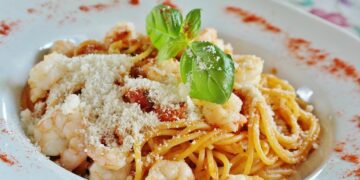
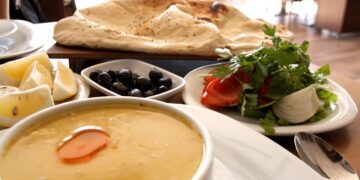
Mallorca has plenty of familiar Spanish dishes, but the local food is worth seeking out. Palma, village markets and coastal restaurants are good places to start.
Try:
- pa amb oli, bread with tomato, olive oil and toppings
- sobrassada, a soft cured sausage often served on bread
- tumbet, a vegetable dish with aubergine, peppers and potatoes
- frito mallorquín, made with meat or seafood and vegetables
- ensaïmada, the island’s famous spiral pastry
- fresh fish and seafood near the coast
- local almonds, oranges and olive oil
After visiting Palma Cathedral, walk into the old town for pa amb oli or a simple seafood lunch instead of eating directly on the busiest waterfront stretch. The food in Mallorca is easier to enjoy when you leave the main resort strips and look for short menus, local dishes and places that are busy with residents.
What should couples do in Mallorca?
Mallorca suits couples because it can be relaxed or active without needing a complicated plan.
Good couple-friendly ideas include:
- a morning in Palma Old Town
- sunset in Deià or Port de Sóller
- a beach day in Cala d’Or or Es Trenc
- lunch in Valldemossa
- a slow evening in Santa Ponça
- a scenic drive through the Serra de Tramuntana
- a boat trip from Port de Sóller or Alcúdia
- tapas and drinks in Palma
Couples who want quiet should be careful with base choice. Santa Ponça, Port de Pollença, Sóller and Cala d’Or are usually better fits than Magaluf if nightlife is not the main reason for travelling.
What should families know before visiting Mallorca?
Mallorca is one of Spain’s easiest islands for families. The flight time from the UK is manageable, beaches can be calm in the right areas, and many resorts are designed around family travel.
Good family bases include:
- Alcúdia
- Playa de Muro
- Port de Pollença
- Santa Ponça
- Cala d’Or
- Port de Sóller
Look for shallow beaches, hotel parking, short transfer times and easy restaurants. Avoid changing base too often, especially with young children.
What are the best things to do in Mallorca without the beach?
Mallorca is not only a beach island. If the weather changes or you want a break from the coast, there is plenty to do inland and in Palma.
Good non-beach ideas include:
- Palma Cathedral
- Palma Old Town
- Sóller train and tram
- Valldemossa
- Deià
- Alcúdia Old Town
- Pollença and the Calvari Steps
- local markets
- wineries
- cycling routes
- hiking in the Serra de Tramuntana
- caves such as Cuevas del Drach
Check opening times before travelling, especially outside peak summer.
Can you visit Mallorca without staying in a resort?
Yes, Mallorca can easily be visited without staying in a resort. Palma, Sóller, Valldemossa, Deià, Pollença and Alcúdia all give a different style of trip.
A non-resort Mallorca trip might include Palma for two nights, then Sóller or Port de Pollença for a slower base. You can still visit beaches, but the trip will feel less centred on hotel facilities.
This type of route suits travellers who prefer local restaurants, markets, walking, photography and cultural stops.
What should you book ahead in Mallorca?
Mallorca gets busy, especially between June and September. Book ahead if you are travelling in summer, during school holidays or around weekends.
Book early for:
- summer accommodation
- rental cars
- popular boat trips
- Palma Cathedral visits
- airport transfers
- restaurants with sea views
- beach clubs
- cycling equipment
- guided hikes
- ferries from mainland Spain, if travelling that way
If you want to visit Palma Cathedral, use the official Catedral de Mallorca site to check current tickets, times and visitor information.
How do you get to Mallorca?
Most UK and European visitors fly into Palma de Mallorca Airport, also known as PMI. The airport has strong seasonal routes and is close to Palma, Playa de Palma, Magaluf, Santa Ponça and other resort areas.
Ferries also connect Mallorca with mainland Spain, including Barcelona and Valencia. This can be a good option if you are travelling with a car or combining the island with a longer Spanish trip.
For most visitors, flying is simpler. Ferries are better when the journey is part of the trip.
What should UK travellers know before visiting Mallorca?
Mallorca is part of Spain and the Schengen Area. UK visitors can usually visit for up to 90 days in any 180-day period without a visa for tourism, but passport rules still apply.
Before travelling, check:
- passport issue and expiry dates
- travel insurance
- Schengen 90-day allowance
- car hire rules
- roaming charges
- airport transfer arrangements
- local driving laws
- any current Spain travel advice
Use the official GOV.UK Spain travel advice page before departure, especially if your passport is close to expiry or you have recently travelled in other Schengen countries.
What common mistakes should you avoid in Mallorca?
Mallorca is simple to enjoy, but a few mistakes can affect the trip.
Staying in the wrong area
Do not book Magaluf if you want quiet village evenings. Do not book Deià if you want cheap beach access and nightlife. Pick the area before the hotel.
Trying to see the whole island in three days
Mallorca looks small, but mountain roads, parking and summer traffic slow things down. Focus on one side of the island if time is short.
Arriving at coves too late
Small beaches can fill quickly. Go early, especially in July and August.
Renting a car without checking parking
A rental car helps, but only if your hotel or apartment has a sensible parking option.
Eating only on resort strips
You will find easier meals there, but better local food often sits in Palma, markets, villages and quieter streets.
Underestimating the heat
Summer sun can be strong. Carry water, use shade and plan village walks outside the hottest part of the day.
Treating Palma as only an airport stop
Palma deserves time. The cathedral, old town, markets and restaurants can easily fill a day or two.
FAQs
Five to seven days is ideal for a first Mallorca trip. It gives enough time for Palma, beaches, a village day, local food and some slower evenings. A weekend works better if you stay in Palma or close to the airport.
Palma is best for a city break, Santa Ponça suits relaxed resort stays, Magaluf is best for nightlife, Port de Pollença is good for families and Sóller is ideal for mountain scenery. The right choice depends on the type of trip you want.
You do not need a car for Palma or a simple resort stay, but a car helps if you want to visit smaller coves, mountain villages, viewpoints and quieter inland areas. Parking can be difficult in summer, so plan ahead.
Yes, Mallorca is excellent for couples. Palma, Sóller, Deià, Valldemossa, Santa Ponça, Port de Pollença and Cala d’Or all suit different couple trips, from relaxed beaches to mountain villages and city evenings.
Magaluf is worth visiting if you want nightlife, bars, beach clubs and a lively beach area. If you want a quiet or traditional Mallorca stay, choose Santa Ponça, Port de Pollença, Sóller, Alcúdia or Cala d’Or instead.
May, June, September and early October are some of the best months to visit Mallorca. The weather is usually warm, the sea is suitable for swimming later in the season, and the island is less intense than in August.
Mallorca is known for pa amb oli, sobrassada, tumbet, ensaïmada, fresh seafood, local almonds, oranges and olive oil. Palma, village markets and coastal restaurants are good places to try local dishes.
Yes, many tourist areas in Mallorca are easy to visit with English. Learning a few Spanish phrases is still useful, especially in smaller villages, markets, car parks and local restaurants.