









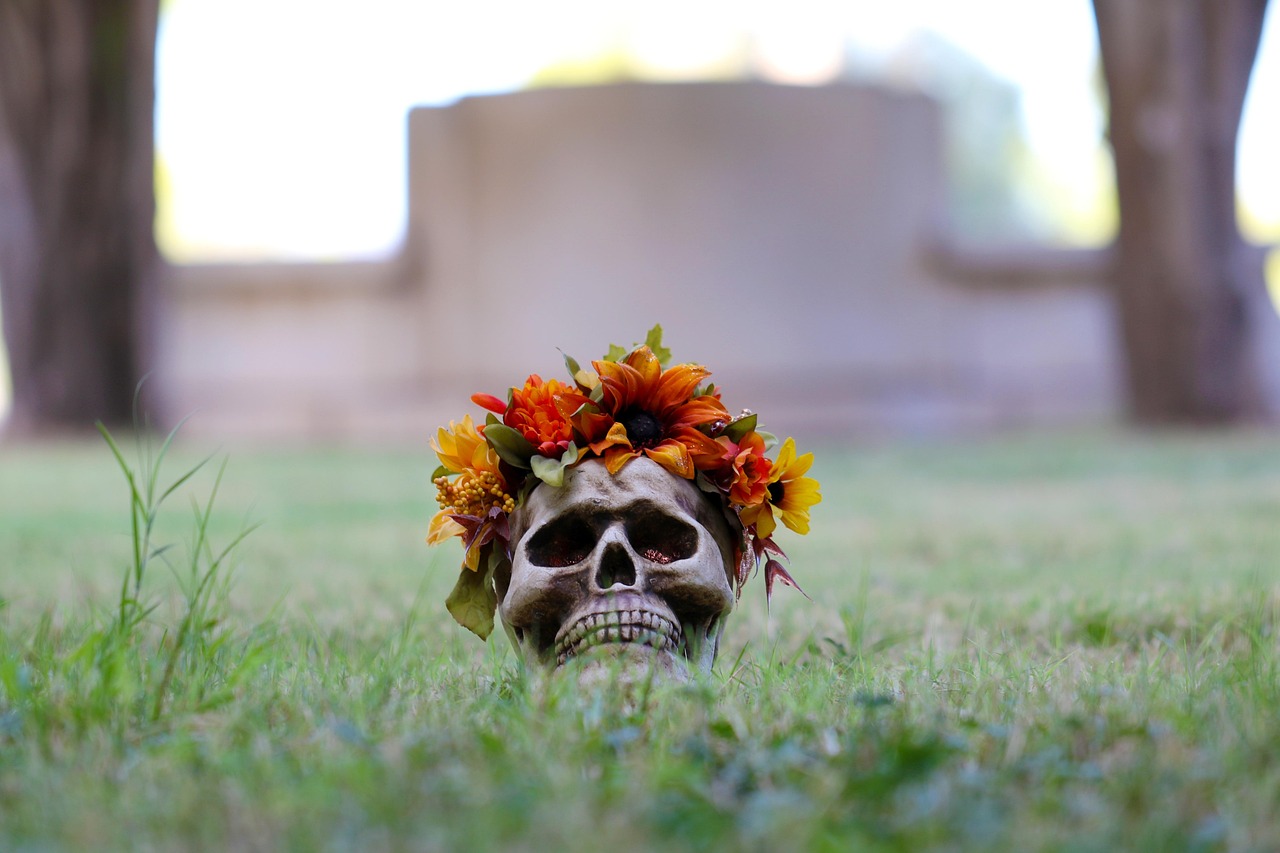
Día de los Muertos is one of the most meaningful times to visit Mexico, but it is also one of the easiest to misunderstand. It is not a Mexican version of Halloween, and it is not a festival to approach as a costume party first and a cultural tradition second. At its core, this is a period of remembrance, family connection and ritual, expressed through colour, food, flowers, music and community gatherings.
That is exactly why it is worth planning properly. If you get the timing and location right, Día de los Muertos can be one of the most memorable cultural experiences in Mexico. If you approach it badly, it can turn into crowd-chasing and surface-level photo stops.
This guide is built to help you do it well. If you are planning a wider trip around the region, you can also browse our Americas travel hub once you have finished here.
What Día de los Muertos actually means
Before choosing where to go, it helps to understand what the celebration is for. Día de los Muertos honours deceased family members and loved ones through altars, flowers, candles, food, cemetery visits and gatherings that are both reverent and social. UNESCO has recognised the tradition as Intangible Cultural Heritage, describing it as a community-centred celebration tied to memory, offerings and the temporary return of the dead.
That matters because it changes how you should travel during this period. You are not simply attending a spectacle. You are stepping into a living tradition that means different things in different places.
When Día de los Muertos happens
Most public celebrations build across late October and early November, with the main period centred around 1 and 2 November. In practice, some cities start events earlier, while families and communities may keep their own rhythms around altar-building, vigils and cemetery visits.
For travellers, that means one simple rule: do not arrive only for one evening and expect to understand the experience. A stay of at least three or four nights gives you a much better chance of seeing both public events and quieter traditions.
Where to celebrate Día de los Muertos in Mexico
Not every destination offers the same kind of experience. The best place depends on whether you want major city events, more traditional local atmosphere or a smaller-scale celebration.
Mexico City
Mexico City is the easiest choice if you want range. It offers large public displays, museum programming, altar installations and major street events, including the well-known parade route around Paseo de la Reforma. It is the most accessible option for first-time visitors and the simplest to build into a broader Mexico trip.
The trade-off is scale. Mexico City gives you energy and visibility, but it can also feel more performative and much busier than smaller community-led celebrations.
Oaxaca
Oaxaca is where many travellers go when they want a more rooted and emotionally resonant version of the festival. The city and nearby communities are known for comparsas, cemetery visits, family altars and a much stronger sense that the celebration still sits inside everyday local life rather than around it.
Oaxaca is often the better pick if you want the trip to feel more intimate and less staged, but it also requires more care. Visitors need to be more aware of local etiquette, especially in cemeteries and residential neighbourhoods.
Pátzcuaro and Janitzio
Michoacán is one of the classic regions associated with Día de los Muertos, especially around Lake Pátzcuaro and Janitzio Island. It can be one of the most moving places to witness the tradition, but it is not the easiest first-time option in practical terms. It suits travellers who already know they want a more ceremonial atmosphere and are comfortable planning around smaller places.
Mixquic
San Andrés Mixquic, near Mexico City, is often suggested for a more traditional cemetery-centred experience without committing to a longer regional detour. It can be rewarding, but it is no longer a secret and can become very crowded at peak times.
Mexico City or Oaxaca for Día de los Muertos?
This is usually the main decision.
| Destination | Best for | What to expect |
|---|---|---|
| Mexico City | first-time visitors, easier logistics, public events | large-scale, busy, accessible |
| Oaxaca | atmosphere, tradition, neighbourhood celebrations | more intimate, more local, still very busy |
| Pátzcuaro area | strong ceremonial feel, returning visitors | beautiful but more logistically involved |
| Mixquic | cemetery atmosphere near the capital | compact, traditional, crowded |
If you want the simplest answer, Mexico City is easier. If you want the stronger emotional and cultural atmosphere, Oaxaca is often the better fit.
How to experience Día de los Muertos respectfully
This is the part many articles leave too vague. The most important thing is to remember that you are visiting a cultural tradition, not consuming a themed event.
What to do
- observe before photographing
- ask permission before taking close photos of people or family altars
- dress appropriately for the setting
- treat cemetery visits as places of remembrance first
- buy from local makers, bakers and market stalls where possible
- learn a little about the symbols you are seeing
What to avoid
- treating gravesites like photo backdrops
- assuming face paint is required everywhere
- interrupting family rituals
- using drones casually around ceremonies or cemeteries
- arriving only for “Instagram moments” without understanding the context
That basic respect will shape the whole experience more than any itinerary detail.
What an ofrenda means
The ofrenda is one of the clearest and most personal parts of Día de los Muertos. These altars are built in homes, public spaces, museums, markets and community settings, often using photographs, candles, marigolds, food, paper decorations and personal items associated with the deceased.
They are not decorative in the casual sense. They carry memory, symbolism and invitation. Spending time looking closely at ofrendas, rather than rushing between the biggest public events, is often what gives the trip more depth.
What to eat during Día de los Muertos
Food is part of the celebration, not just something around it. Pan de muerto is the obvious seasonal staple, but it is only one part of the wider picture. Depending on where you travel, you may also find mole, tamales, hot drinks, candied pumpkin and regional dishes tied to family or local tradition.
This is one of the best times to let food shape part of the trip. Markets, bakeries and smaller local restaurants often feel more connected to the season than polished tourist venues.
If food is one of the reasons you travel, our guide to the top 10 countries with the best cuisine in the world makes a natural next read.
What to wear and whether to do face paint
You do not need face paint to take part in Día de los Muertos, and in many settings it is better not to assume you should. In larger city celebrations, especially in Mexico City, calavera-style make-up is common and can be part of the public atmosphere. In quieter community settings, it may feel unnecessary or out of place.
A better rule is this:
- for public parades and city events, it can make sense
- for cemetery visits and more local settings, keep it understated unless you are clearly in an environment where it is welcomed
If you do wear it, do it properly and respectfully rather than treating it as a costume shortcut.
Planning tips for Día de los Muertos in Mexico
Book early
Accommodation in Mexico City and Oaxaca can fill up well in advance for the main dates.
Stay longer than a weekend
Three to five nights is a much better window than a quick in-and-out trip.
Choose one core base
Trying to split Mexico City and Oaxaca in too few days usually weakens the experience.
Expect crowds
This is one of the busiest cultural travel periods in the country.
Build the trip around the festival first
Do not treat Día de los Muertos as something to squeeze into the corner of a general Mexico itinerary.
What else to add to the trip
If you are staying longer, it makes sense to add one or two major Mexico highlights after the main festival dates.
Teotihuacan
Teotihuacan is one of the country’s most important archaeological sites and works well from Mexico City. INAH’s official visitor information is the best source for current planning details, and UNESCO lists it as the Pre-Hispanic City of Teotihuacan.
Tulum
If you want to follow the festival with beach time and a very different setting, Tulum is the easier contrast. It works best after the cultural part of the trip rather than before it.
Guanajuato
Guanajuato is a strong addition if you want colonial architecture, walkable streets and a city break feel after the festival crowds.
If Mexico’s sinkholes and freshwater landscapes are already on your radar, our cenotes guides are also worth a look for the next stage of the trip.
A realistic way to plan the trip
For most readers, one of these two versions makes the most sense:
Option 1: Mexico City focus
- arrive 30 or 31 October
- stay through 2 November
- add Teotihuacan after the main dates
- finish with another city or beach stop
Option 2: Oaxaca focus
- arrive at least one day before the busiest events
- stay through the main cemetery and neighbourhood celebrations
- keep the schedule flexible
- avoid overpacking day trips during the core dates
The better trip is usually the one that goes deeper in one place, not the one that tries to race between them.
Is Día de los Muertos worth planning a trip around?
Yes, absolutely, but only if you approach it as a cultural period rather than a bucket-list spectacle.
The strongest version of this trip is not about ticking off the parade, taking face-paint photos and leaving. It is about understanding why the celebration matters, choosing the right setting, slowing down enough to notice the altars, food, music and cemetery rituals, and behaving in a way that respects the people keeping the tradition alive.
If that is what you want from Mexico, Día de los Muertos is one of the best times you can go.
FAQs
No. They happen around the same time of year, but Día de los Muertos is a distinct Mexican tradition centred on remembrance, offerings and family connection.
Mexico City is easier for first-time visitors and larger public events. Oaxaca is often better for atmosphere, neighbourhood traditions and a more rooted cultural feel.
Aim to be in Mexico from late October through at least 2 November, with enough time to see both the build-up and the main days.
Yes, but respectfully. Some are open and welcoming to visitors, but you should always behave as a guest and avoid treating the setting like a stage set.
No. It is optional, and in some settings it is better to keep things simple and understated.
Yes, if you want a culturally rich trip and are prepared for crowds, higher demand and the need to plan ahead.