










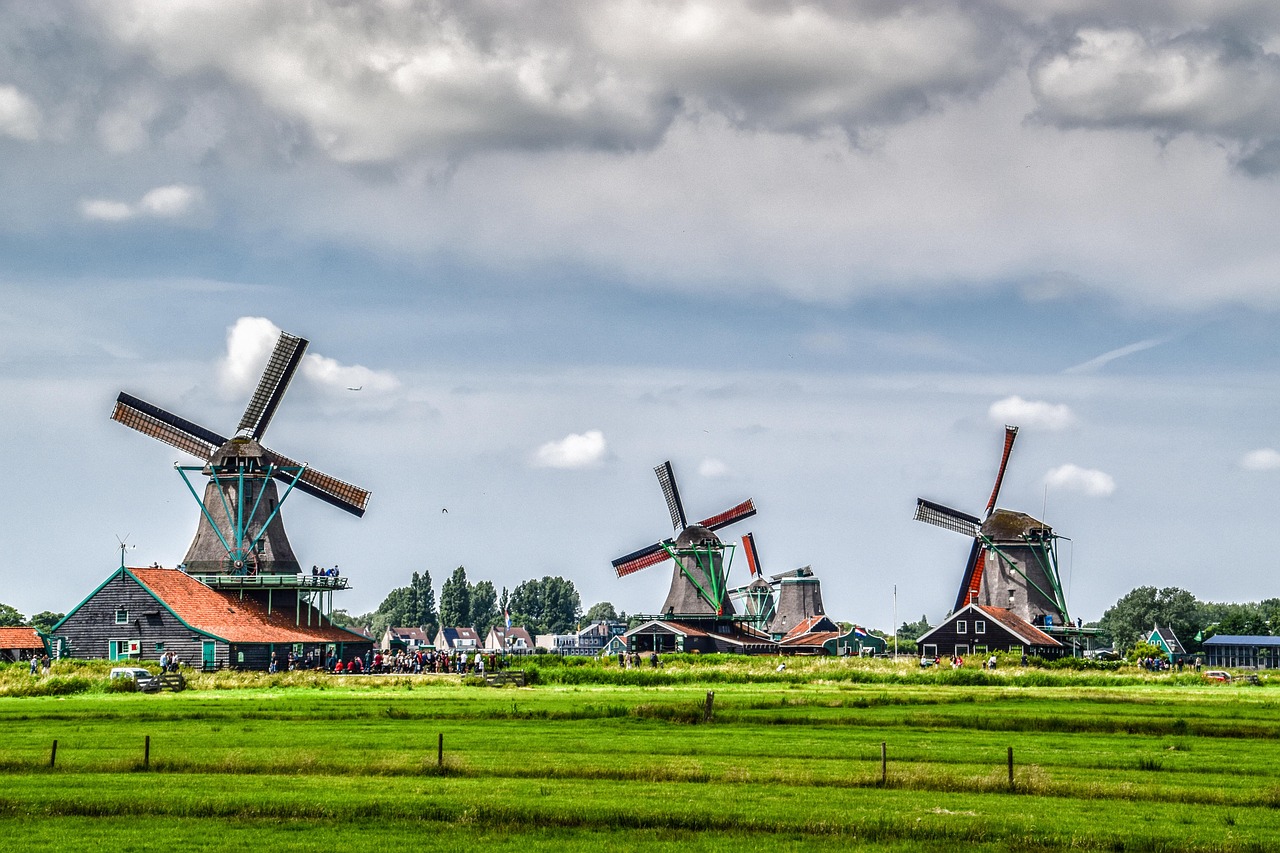
The Netherlands is often linked with canals, cycling, museums and old city centres, but its natural side is just as rewarding. Beyond Amsterdam and the main towns, you will find dunes, forests, tidal flats, flower fields, lakes, wetlands and quiet islands shaped by wind and water.
This guide to the most beautiful natural places in the Netherlands is for anyone planning a trip with more than city streets in mind. Some places are easy day trips from Amsterdam. Others are better for a slower weekend, a cycling route or a nature-first break.
If you are planning a wider trip with us at VayCay Couple, start with our Netherlands travel guide first, then use this list to add beaches, parks and countryside stops around the main route.
What are the most beautiful natural places in the Netherlands?
The most beautiful natural places in the Netherlands include Keukenhof, Hoge Veluwe National Park, the Wadden Sea, Oosterschelde National Park, Texel, Zuid-Kennemerland National Park, Biesbosch National Park and the Loosdrecht Lakes.
Each one shows a different side of the country. Some are famous for flowers, some for wildlife, and others for wide open landscapes that feel far from the busy cities.
| Natural place | Best for | Good base |
|---|---|---|
| Keukenhof Gardens | Tulips and spring colour | Amsterdam, Leiden, Haarlem |
| Hoge Veluwe National Park | Forest, heathland and cycling | Arnhem, Apeldoorn |
| Wadden Sea | Islands, seals and tidal flats | Harlingen, Leeuwarden, Texel |
| Oosterschelde National Park | Marine life and Zeeland coast | Zierikzee, Goes |
| Texel | Beaches, dunes and birdwatching | Den Burg, De Koog |
| Zuid-Kennemerland National Park | Dunes near Amsterdam | Haarlem, Zandvoort |
| Biesbosch National Park | Wetlands and boat trips | Dordrecht, Breda |
| Loosdrecht Lakes | Sailing and easy water days | Utrecht, Hilversum |
When is the best time to visit natural places in the Netherlands?
The best time depends on what you want to see. Spring is best for tulips. Summer is best for beaches, islands and longer cycling days. Autumn works well for forests, dunes and quieter walks.
| Season | Best for | What to expect |
|---|---|---|
| March to May | Tulips, gardens, birdlife | Cooler weather, spring colour |
| June to August | Islands, beaches, lakes | Warmer days, higher prices in coastal areas |
| September to October | Forests, dunes, quieter trips | Softer light, fewer crowds |
| November to February | Empty beaches, winter walks | Short days, colder wind, fewer services |
Pack layers at any time of year. Dutch weather changes quickly, especially near the coast.
Keukenhof Gardens for tulips and spring colour
Keukenhof is the best-known flower garden in the Netherlands and one of the easiest nature day trips from Amsterdam. It sits near Lisse, in the main bulb-growing region, and opens for a limited period each spring.
The gardens are carefully planted with tulips, daffodils, hyacinths and other spring flowers. It is popular, but still worth visiting if you go early in the day or avoid peak weekend times.

Use the official Keukenhof site before travelling because opening dates change each year.
Best time to visit Keukenhof
The garden usually opens from mid-March to mid-May. The strongest tulip colour is often in April, but the exact timing depends on the weather.
How to visit Keukenhof
Keukenhof works well from Amsterdam, Leiden or Haarlem. Many people combine it with a cycling route through nearby flower fields, but stick to marked paths and avoid stepping into private fields.
If you are staying in the capital, our Amsterdam travel guide can help you plan the city side of the trip before adding Keukenhof as a day out.
Hoge Veluwe National Park for forests, heathland and cycling
Hoge Veluwe National Park is one of the best places in the Netherlands for a full nature day. It has woodland, heathland, sand drifts, open plains and wildlife, plus the Kröller-Müller Museum inside the park.
The park is especially good if you want to cycle without sorting your own bike hire, as free white bicycles are available for use within the park.
Check current prices, routes and access on the official Hoge Veluwe website before you go.
Why visit Hoge Veluwe?
Hoge Veluwe is ideal for:
- cycling through varied landscapes
- spotting deer, wild boar and birds
- visiting the Kröller-Müller Museum
- walking marked nature routes
- seeing a very different side of the Netherlands
It is not just a green space. It is a proper day out, especially if you enjoy both nature and art.
How long do you need?
Allow a full day if you want to cycle, walk and visit the museum. A half-day can work if you focus on one area, but the park is large enough to deserve more time.
The Wadden Sea for islands, seals and tidal landscapes
The Wadden Sea is one of the most important natural areas in the Netherlands. It stretches along the northern coast and is known for tidal flats, salt marshes, migratory birds and seals.
This is not a polished garden or a simple beach stop. It is a shifting coastal landscape where tides shape the day.

The wider Wadden Sea is listed by UNESCO because of its global natural importance.
Best ways to experience the Wadden Sea
Good options include:
- taking a ferry to one of the Wadden Islands
- joining a guided mudflat walk
- watching seals from an organised boat trip
- birdwatching during migration periods
- cycling on Texel, Terschelling or Ameland
Do not walk onto tidal flats alone. The tide can change quickly, and guided routes are the safest way to experience the area properly.
Texel for dunes, beaches and birdlife
Texel is the easiest Wadden Island for many visitors because it is simple to reach by ferry from Den Helder. It has long beaches, dunes, cycling paths, villages and nature reserves.
It works well for a weekend if you want sea air without leaving the Netherlands for long.
What to do on Texel
Popular nature-focused things to do include:
- walking in the dunes
- cycling between villages
- visiting Ecomare
- birdwatching around the island
- spending time on the wide beaches
- watching sunset on the west coast
Texel is better with at least one night. A day trip is possible, but it can feel too tight once you include ferry time.
Zuid-Kennemerland National Park for dunes near Amsterdam
Zuid-Kennemerland National Park is one of the best natural places near Amsterdam. It sits close to Haarlem and Zandvoort, with dunes, forest, lakes, walking routes and wildlife.
It is a strong choice if you want a nature day without travelling far.
Why go to Zuid-Kennemerland?
This park is good for:
- dune walks
- short cycling routes
- beach and nature combinations
- spotting birds and grazing animals
- escaping Amsterdam for a few hours
You can pair it with Haarlem or the coast, which makes it one of the easiest nature add-ons for a city break.
If you are keeping costs low in the capital, our guide to free things to do in Amsterdam can help balance paid day trips with simple city plans.
Oosterschelde National Park for marine life and Zeeland coast
Oosterschelde National Park is the largest national park in the Netherlands and one of the best places for marine nature. It is in Zeeland, where tides, sea walls, islands and estuaries shape the landscape.
This is a strong choice for people interested in seals, porpoises, birds, diving, coastal cycling and quieter Dutch seaside towns.

The official Oosterschelde National Park site is useful for current activities, species information and visitor ideas.
What can you do in Oosterschelde?
Good ways to experience the park include:
- coastal walking
- cycling along sea defences
- seal watching trips
- birdwatching
- visiting Zierikzee
- diving or snorkelling with a specialist operator
- learning about the Delta Works
Oosterschelde is better as part of a Zeeland trip than a rushed day from Amsterdam.
Biesbosch National Park for wetlands and boat trips
Biesbosch National Park is one of the Netherlands’ best freshwater wetland areas. It is made up of rivers, creeks, willow forests, reed beds and small islands.
It is a good place for slow travel because the best views often come from the water.
Best things to do in Biesbosch
Try:
- a boat tour
- canoeing or kayaking
- short walking routes
- birdwatching
- visiting a Biesbosch visitor centre
- looking for beaver signs
Biesbosch is a good choice if you are travelling between Rotterdam, Dordrecht, Breda or the south of the Netherlands.
Loosdrecht Lakes for easy water days
The Loosdrecht Lakes sit between Amsterdam and Utrecht and are a good choice for sailing, paddleboarding, swimming and relaxed summer afternoons.
This area is less dramatic than the Wadden Sea or Hoge Veluwe, but it is very practical if you want water without a long journey.
Best for
- sailing
- boat hire
- summer swimming
- lakeside terraces
- easy trips from Utrecht or Amsterdam
- relaxed couples’ breaks
For a simple summer plan, spend the morning in Utrecht or Amsterdam, then head to the lakes for an afternoon on the water.
De Biesbosch or Oosterschelde: which is better?
Both are water-focused, but they feel very different.
| Choose Biesbosch if you want | Choose Oosterschelde if you want |
|---|---|
| Rivers and freshwater wetlands | Coast, tides and sea air |
| Canoeing and calm boat trips | Seals, porpoises and marine life |
| Easy access from Dordrecht or Breda | A Zeeland road trip |
| Reed beds and beaver habitat | Cycling by sea walls and islands |
Biesbosch is softer and more inland. Oosterschelde feels wider, saltier and more coastal.
Dutch dunes and beaches worth adding
The Dutch coast has more variety than many people expect. It is not only beach bars and summer crowds. Some of the best natural areas are in the dunes behind the sea.
Good coastal nature spots include:
- Zandvoort and Bloemendaal for easy beach access
- Schoorlse Duinen for high dunes and forest
- Meijendel near The Hague for dunes and walking
- Westduinpark for a nature break close to the city
- Schiermonnikoog for a quieter island feel
The coast can be windy even in summer. Bring a layer, especially for evening walks.
How to plan a Netherlands nature trip
The easiest way to plan a Netherlands nature trip is to base yourself in one or two places and add day trips by train, bike, ferry or car.
Good bases for nature trips
| Base | Good for |
|---|---|
| Amsterdam | Keukenhof, Zuid-Kennemerland, Loosdrecht Lakes |
| Haarlem | Dunes, beaches, Keukenhof |
| Utrecht | Loosdrecht Lakes, Hoge Veluwe, central routes |
| Arnhem | Hoge Veluwe, Veluwezoom |
| Leeuwarden | Wadden Islands and northern nature |
| Dordrecht | Biesbosch |
| Zeeland | Oosterschelde, beaches, Delta Works |
If you are planning the Netherlands as part of a wider route, our Europe guide can help with train, car and multi-country travel ideas.
A simple 5-day Netherlands nature itinerary
This route works well if you want nature without skipping the main city links.
| Day | Plan |
|---|---|
| Day 1 | Arrive in Amsterdam, walk canals and parks |
| Day 2 | Visit Keukenhof in spring or Zuid-Kennemerland outside tulip season |
| Day 3 | Travel to Hoge Veluwe for cycling and forest landscapes |
| Day 4 | Head north or west for Texel, Biesbosch or Zeeland |
| Day 5 | Slow morning, local walk, return to Amsterdam or continue by train |
For food stops between walks and museums, our guide to the best chips in Amsterdam is an easy one to add before or after a city day.
What should you pack for nature in the Netherlands?
Dutch nature trips are usually easy, but the weather can change quickly.
Pack:
- waterproof jacket
- comfortable walking shoes
- light layers
- refillable water bottle
- sunscreen in spring and summer
- insect repellent for wetlands
- binoculars for birdwatching
- small day bag
- offline maps
- bike-friendly clothing if cycling
For island trips, add a windproof layer. For wetlands, bring shoes that can handle mud.
Are natural places in the Netherlands easy to visit without a car?
Yes, many are easy without a car, especially Keukenhof, Zuid-Kennemerland, Texel, Biesbosch and parts of the Wadden route. Trains, buses, ferries and bikes make a lot of the country accessible.
A car helps for Zeeland, remote dune areas and multi-stop national park days. For a short trip, public transport plus cycling is often enough.
The natural side of the Netherlands is quiet rather than dramatic. That is what makes it easy to miss and worth planning properly.
Add one garden, one dune area, one national park or one island to your trip, and the country feels very different from the city-only version. Spring gives you flowers, summer gives you beaches and lakes, autumn gives you softer walks, and winter gives you empty coastlines.
Do not try to see every natural place in one trip. Pick the landscapes that fit your season, your route and your pace. The best Netherlands nature days are simple: a train, a bike, a path, a stretch of water and enough time not to rush it.
FAQs
It depends on the season. Keukenhof is the most colourful in spring, the Wadden Sea is the most unique, and Hoge Veluwe is one of the best all-year nature areas.
Hoge Veluwe is one of the best for a first visit because it combines cycling, wildlife, woodland, heathland and the Kröller-Müller Museum.
Yes. Keukenhof, Zuid-Kennemerland National Park, the Loosdrecht Lakes and several coastal dune areas are all realistic from Amsterdam.
Keukenhof is the best-known place for tulips. The surrounding flower fields near Lisse are also popular in spring, but many are private farmland, so stay on marked routes.
The Wadden Sea and parts of Zeeland, including Oosterschelde, are good areas for seal-watching trips with local operators.
Yes, especially if you enjoy flat routes, dunes, forests, wetlands and coastal paths. It is not a mountain walking destination, but it is excellent for easy day walks.
Texel is the easiest Wadden Island for a first nature trip. Schiermonnikoog and Terschelling are also strong choices if you want quieter landscapes.
It is best to book ahead, especially during peak tulip season and weekends. Check the official opening dates before planning flights or hotels around it.